
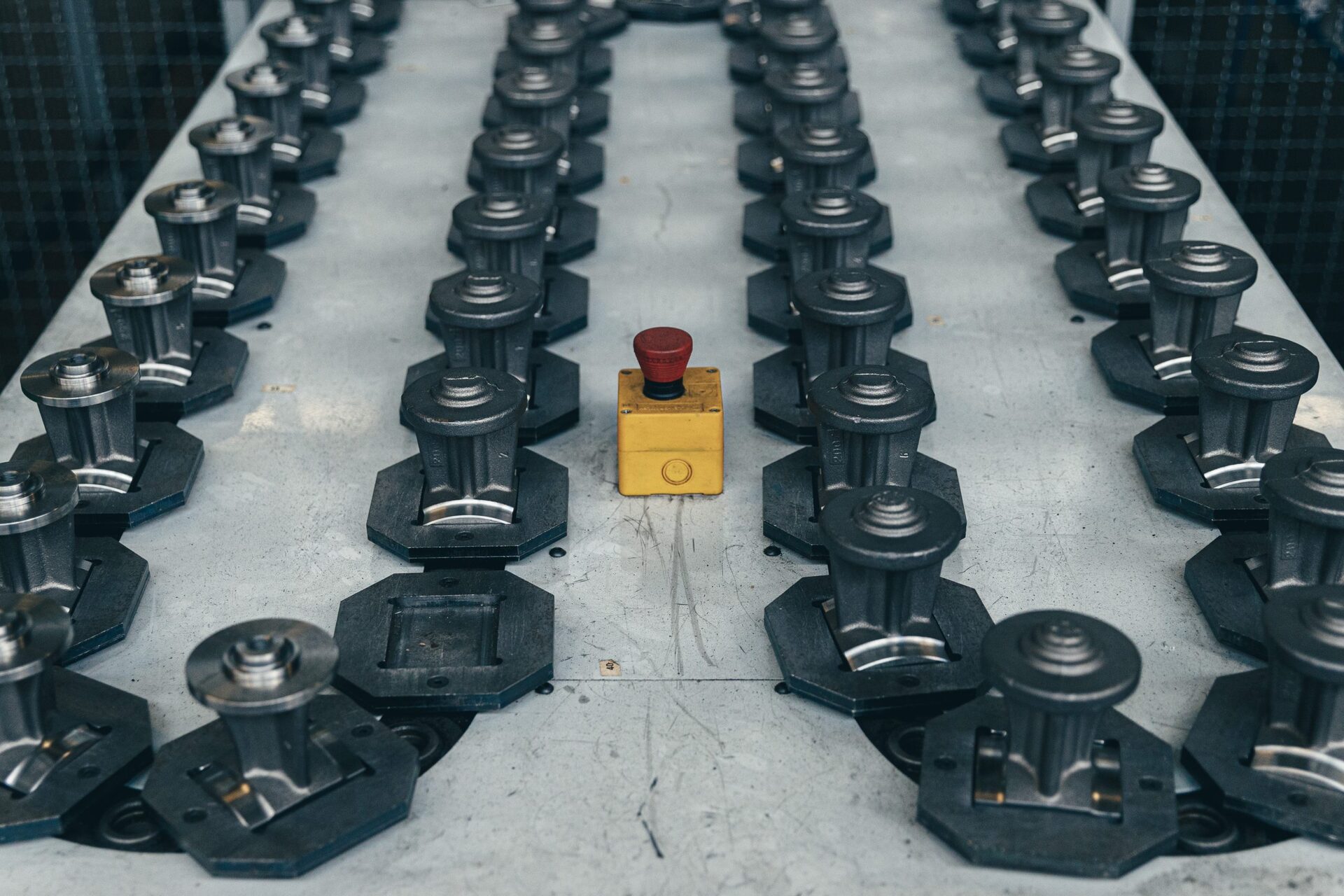
New assembly department in operation
Our new assembly department is in operation, enabling delivery of fully assembled components and sub-assemblies.
With the new assembly department we can deliver sub- and final assembly as an integrated part of the supply. This means fewer supplier links for the customer and a shorter path from machined part to finished product.
The department is equipped with dedicated assembly stations, controlled tool management and documentation of each assembly step.
Assembly is planned together with machining so parts move straight from the machine to the assembly bench without intermediate storage. That shortens lead time and reduces handling of customer components.
All news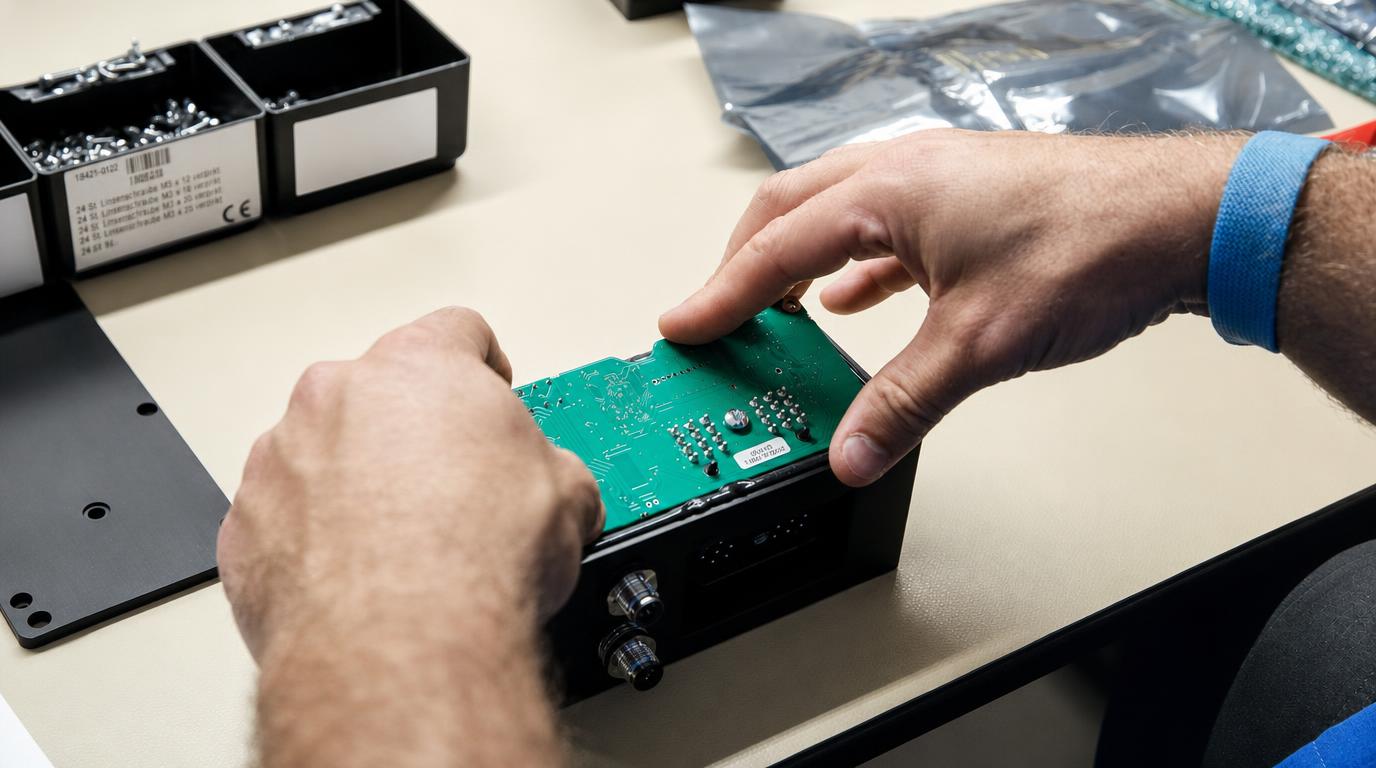
New assembly department strengthens overall delivery capability
We have established a new assembly department that brings together capabilities in sub-assemblies and final assembly under the same roof as our machining. The purpose is to give customers the option of having both component manufacturing and assembly handled by the same supplier, so the number of handovers between different links in the supply chain is reduced, making it easier to maintain consistent quality from the first to the last component.
The department is equipped with dedicated workstations, clear assembly instructions and fixed control points, so each sub-assembly can be traced back to the components and documentation it is built from. The employees in the department have received thorough training in both general assembly processes and the specific requirements that our customers in defence, medical and industrial sectors typically place on documentation and traceability.
We see the new department as a natural next step in our development from a pure component supplier to a partner that can take responsibility for a larger part of the customer's value chain. Customers considering moving an assembly task to us are welcome to contact us and discuss scope, documentation requirements and start-up process before a specific agreement is made.
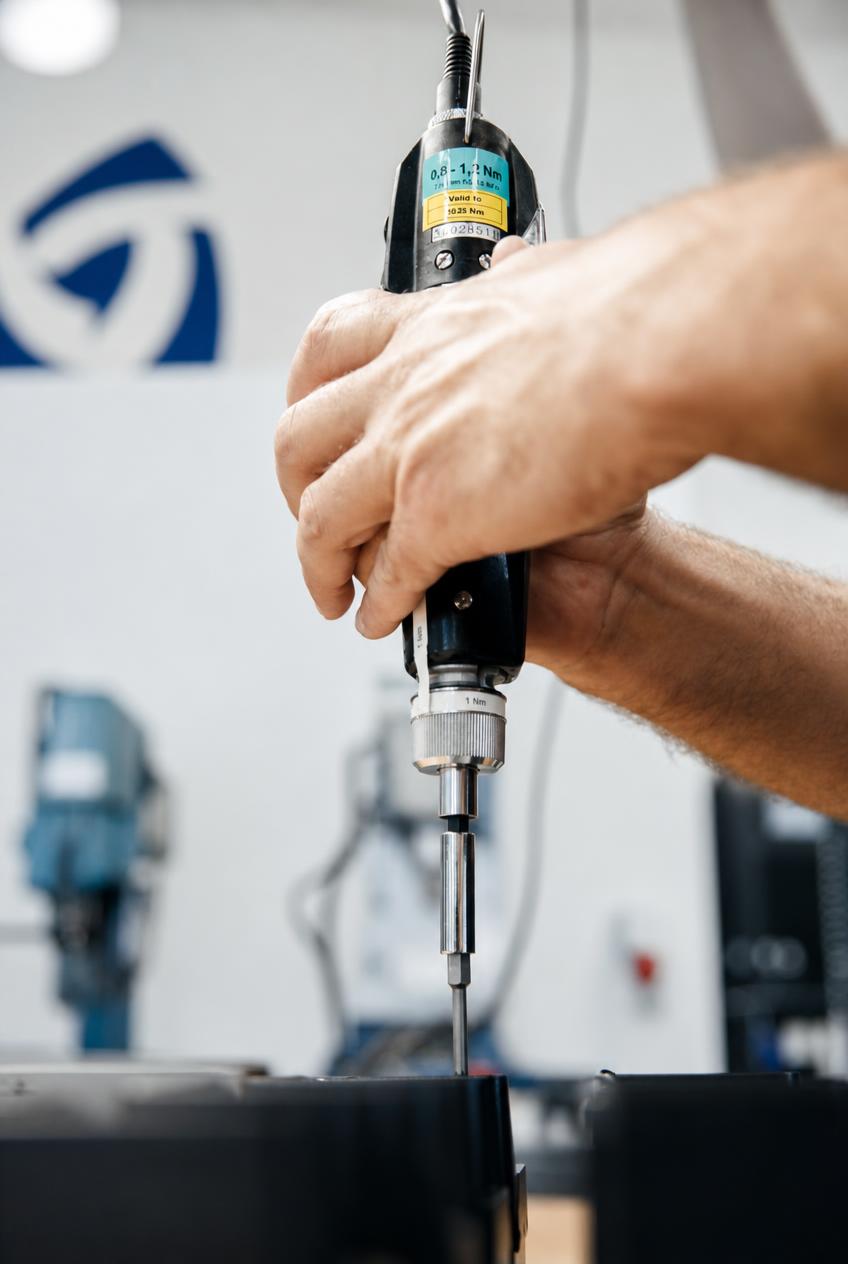
Broader cooperation on sub-assemblies for several industries
With the expanded assembly capacity, we can now accept tasks that previously lay outside our natural scope, because they required a combined solution from raw component to finished sub-assembly. This includes components for the defence industry, medical technology and parts of industrial production, where documentation and traceability requirements go hand in hand with requirements for mechanical machining.
We find that more customers want to reduce the number of suppliers they need to coordinate with, and instead concentrate responsibility with a single subcontractor that can deliver the entire process. This places demands on our internal planning, since machining and assembly must be coordinated in time, but it also provides a more direct line from drawing to finished assembly.
We do not take on more assembly tasks than we can handle with the same quality we are already known for in machining. Every new task is reviewed thoroughly before it is put into production, so we are confident that equipment, documentation and staffing are all in place before the first delivery leaves the door.
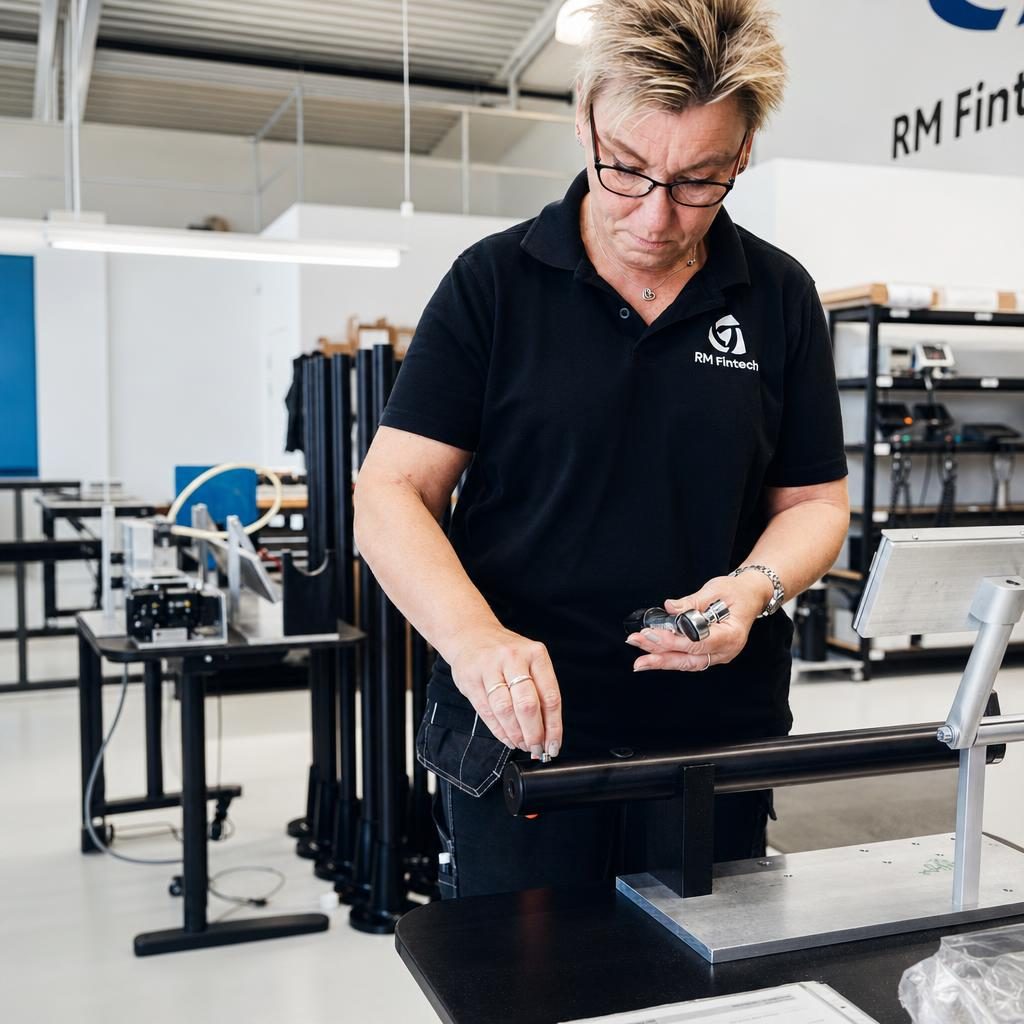
Training and staffing of the new department
Staffing the assembly department has taken place through a combination of internal transfers and new hires, where employees with experience from our existing production have helped train new colleagues in our way of working. This has created a department where experience from machining and new competencies in assembly meet from day one.
Training is based on side-by-side instruction, where an experienced employee goes through the assembly instructions, quality requirements and documentation together with the new colleague before tasks are performed independently. We place great emphasis on ensuring that knowledge is not concentrated with individuals but is shared broadly, so the department remains robust even when individual employees are absent or new tasks arrive at short notice.
We expect the department to grow in line with demand, and that more employees will be assigned to assembly over time as experience and order volume increase. The growth happens organically, so that the level of skill and the thorough training can keep pace, rather than compromising quality for the sake of faster expansion.
Documentation and quality in the new assembly process
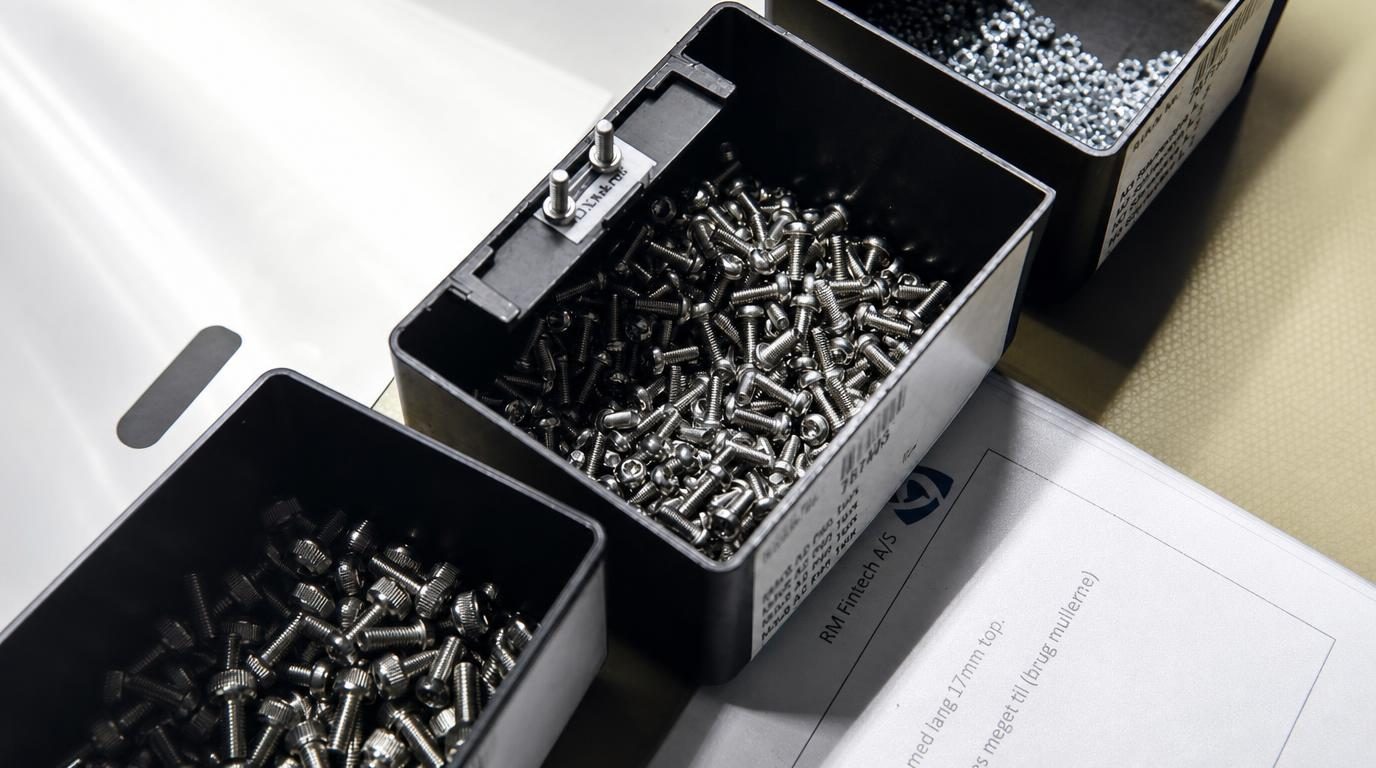
The assembly process is structured so that documentation follows the sub-assembly naturally throughout the entire process, from when the individual components arrive at the department to when the finished assembly is ready for dispatch. Each step in the assembly is described in an instruction that specifies sequence, torque, control points and any special customer requirements, so the process can be repeated consistently regardless of which employee performs the task.
We have integrated the assembly department into our existing quality management system, so the same principles for deviation handling, traceability and internal audit apply here as in the rest of production. This means that a deviation in assembly is handled systematically, and the cause is found and corrected before it can recur in a later order.
For customers with stricter documentation requirements, for example within defence or medical technology, assembly documentation can be tailored to match the customer's own incoming inspection and traceability requirements without unnecessary duplication of work. We are happy to review a customer's existing requirements before drawing up a plan for how a specific sub-assembly is to be documented.
Physical facilities and working environment in the department
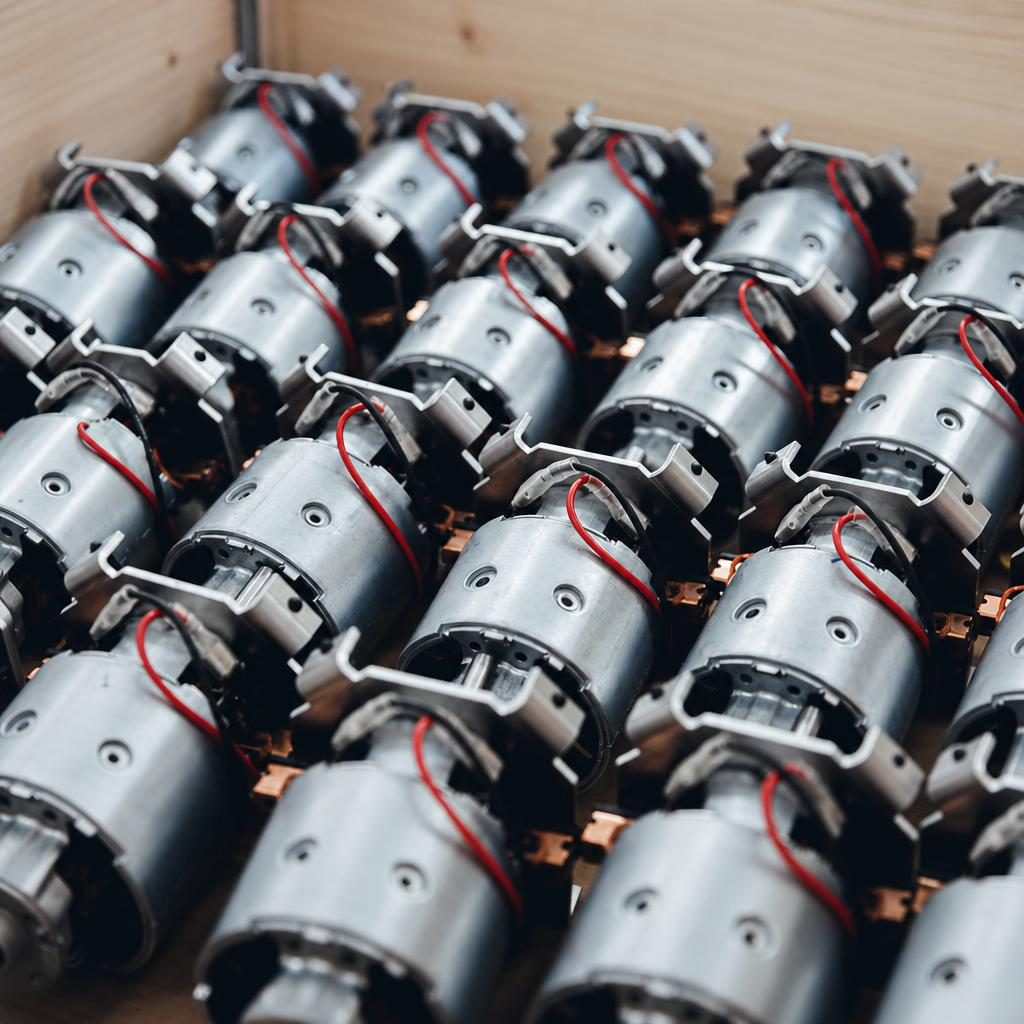
The new department is designed with a focus on both efficiency and working environment, including good lighting conditions, ergonomic workstations and lifting aids for tasks where relevant. The layout is adapted so the workflow follows the sub-assembly's natural flow, from receipt of components to when the finished assembly is packed for shipment.
We have worked deliberately to reduce physically demanding working postures in assembly, among other things through the choice of tools and the design of working heights suited to the specific task. The goal is a department where employees can maintain a high level of quality throughout the working day without unnecessary physical strain.
Safety is a fixed part of the induction to the department, regardless of whether one comes from another part of production or is new to the company. We encourage employees to always clarify uncertainty about a procedure before starting a task, rather than guessing along the way, so that quality and safety go hand in hand from the outset.
Customers and the market for sub-assemblies going forward
We expect demand for finished sub-assemblies to continue rising, as customers seek to simplify their own supply chain and reduce the number of suppliers they need to coordinate with directly. We already see this development reflected in dialogue with several of our existing customers, who ask whether we can take over an assembly task they previously had performed elsewhere.
Our approach is to expand assembly capacity in step with actual demand, rather than building capacity in advance without a clear need. This provides a healthier balance between investment and utilisation, and ensures that new employees and new equipment are put to use when there is genuine work to be done.
Customers who are curious whether their own product could benefit from a combined solution from machining to assembly are welcome to reach out for an initial discussion of how the task can best be structured. We are happy to review the existing design and documentation before drawing up a plan for cooperation.
Shall we produce something for your company?
Send us your drawing and we will come back with a technical assessment and a quotation. We accept electronic drawings in most formats and treat all material confidentially.