
Assembly
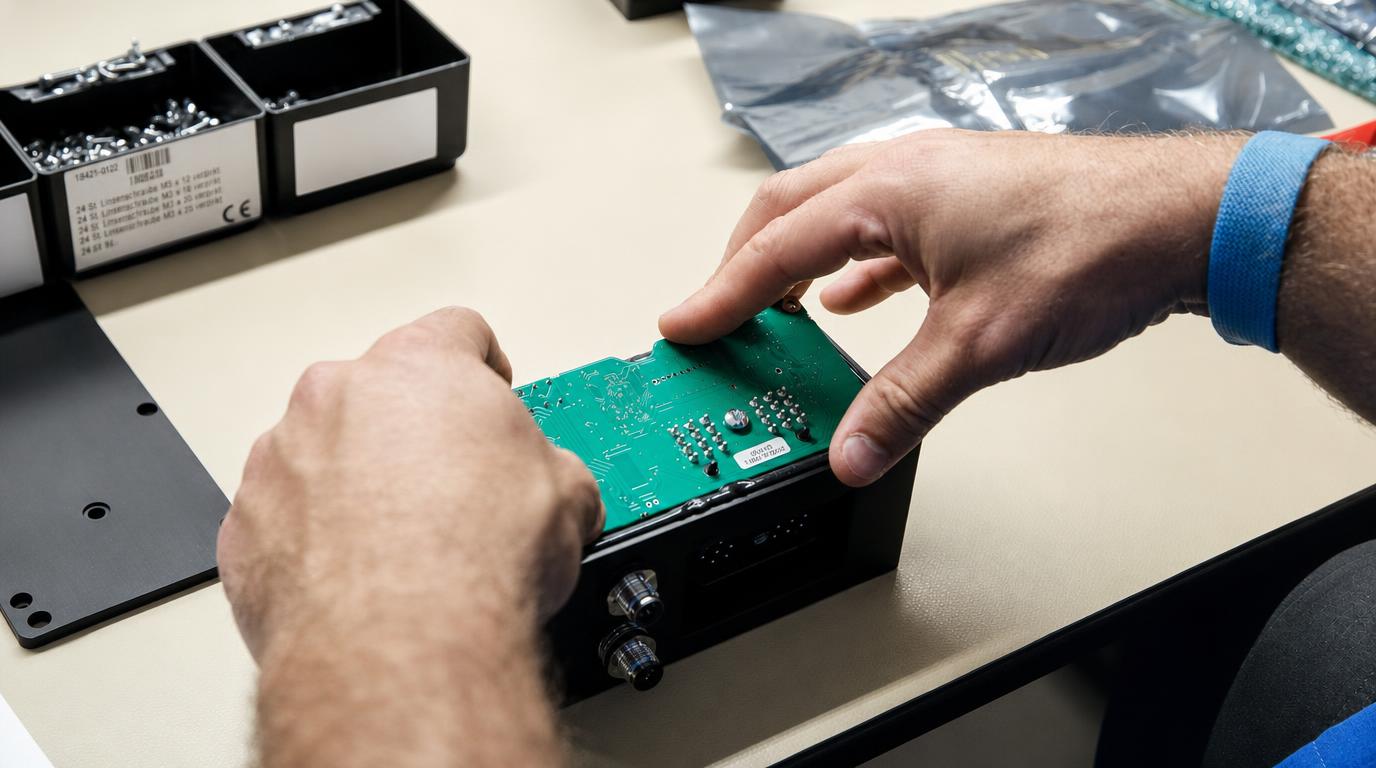
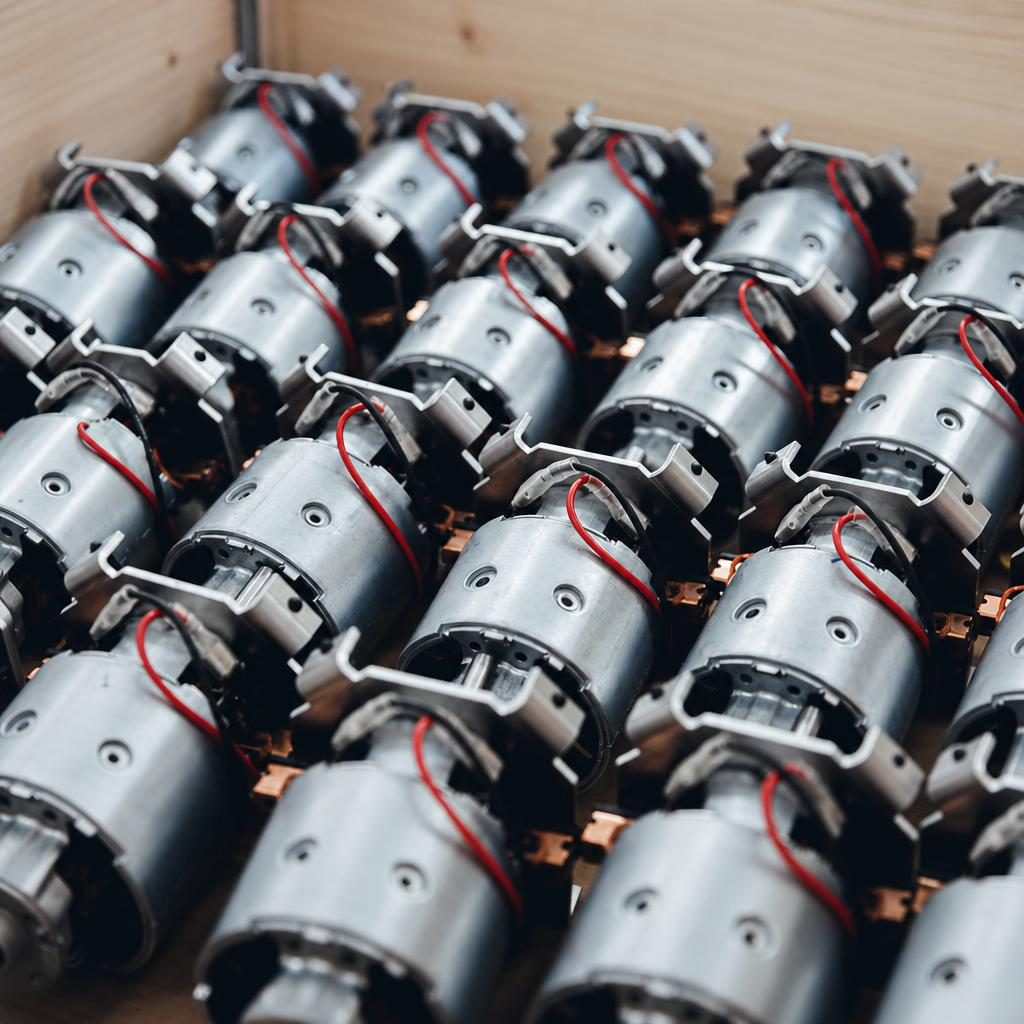
Our new, modern assembly department builds machined parts into finished components and sub-assemblies, ready for your line.
- Assembly of components and sub-assemblies
- Integration of purchased parts and surface-treated items
- Functional testing and documentation of assembly steps
- Final packaging and labelling to customer specification
Fewer suppliers, fewer interfaces
Consolidating machining, partner surface treatment and assembly with one supplier reduces logistics, lead time and supply chain risk.
- Machined parts from our own production
- Surface-treated parts via partners
- Purchased parts to customer specification
A new assembly department closing the final link
Our assembly department was established because customers asked for fewer supplier links. Instead of receiving machined parts from us and assembling them in-house, or sending them on to a third party, the customer can now receive a finished component or sub-assembly, ready to go straight into their own product.
We handle both sub-assembly, where we build a number of machined parts into a unit, and final assembly, where purchased components form part of the finished build. The scope is agreed case by case, based on the customer's needs regarding stock, documentation and delivery format.
Fewer links, shorter lead time, one responsibility
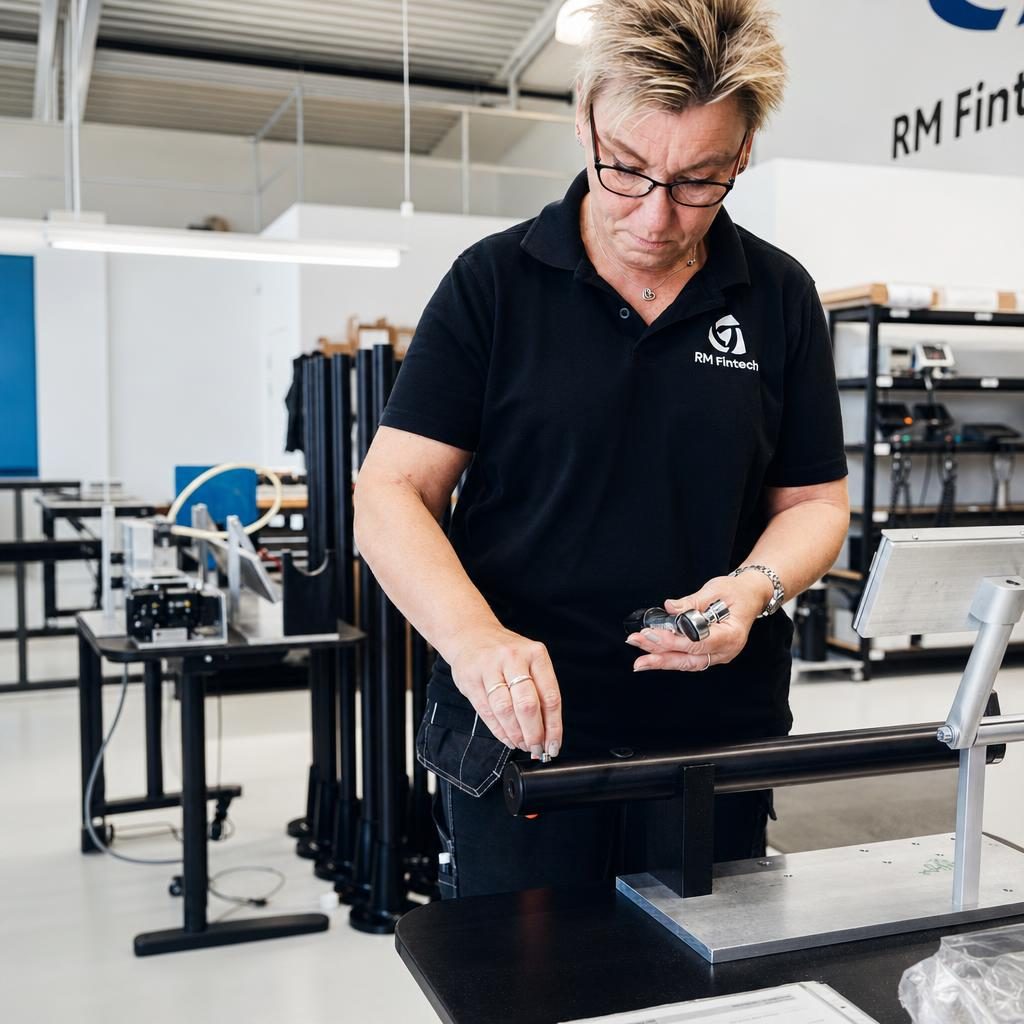
When machining and assembly sit in the same place, waiting time between operations disappears, and transport damage and shipping costs are reduced. It also means any fit issues are discovered internally, while the part is still in the building, instead of at the customer after delivery.
Most importantly, responsibility is gathered in one place. There is no doubt who owns the finished result, and no coordination between several suppliers when something needs adjusting. It is one of the most concrete ways we can make our customers' working day simpler.
Assembly stations built around the job
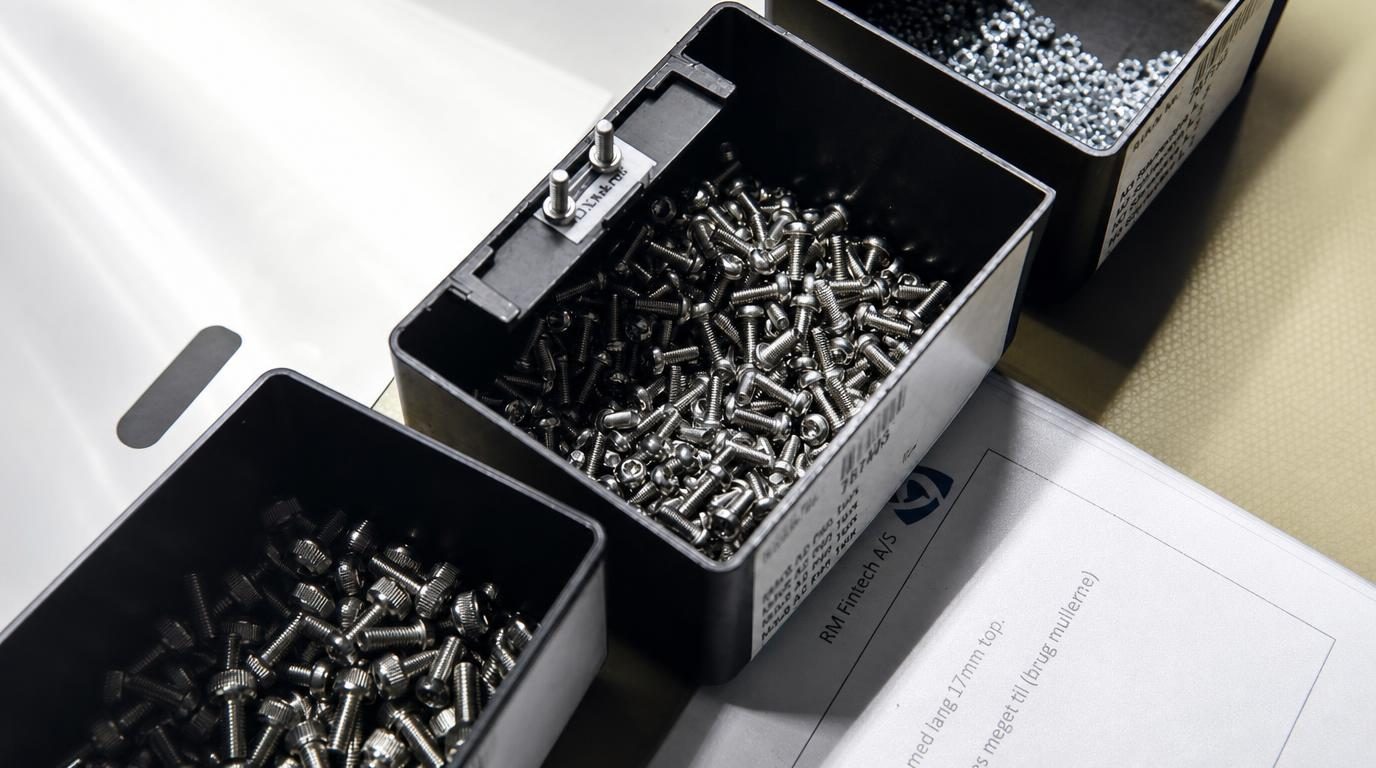
The assembly department is laid out with fixed workstations, where each build has its own bench, its own tooling and its own component trays. It sounds simple, but that fixed layout is exactly what makes an assembly identical every time, regardless of who performs it and whether the batch is ten units or several thousand.
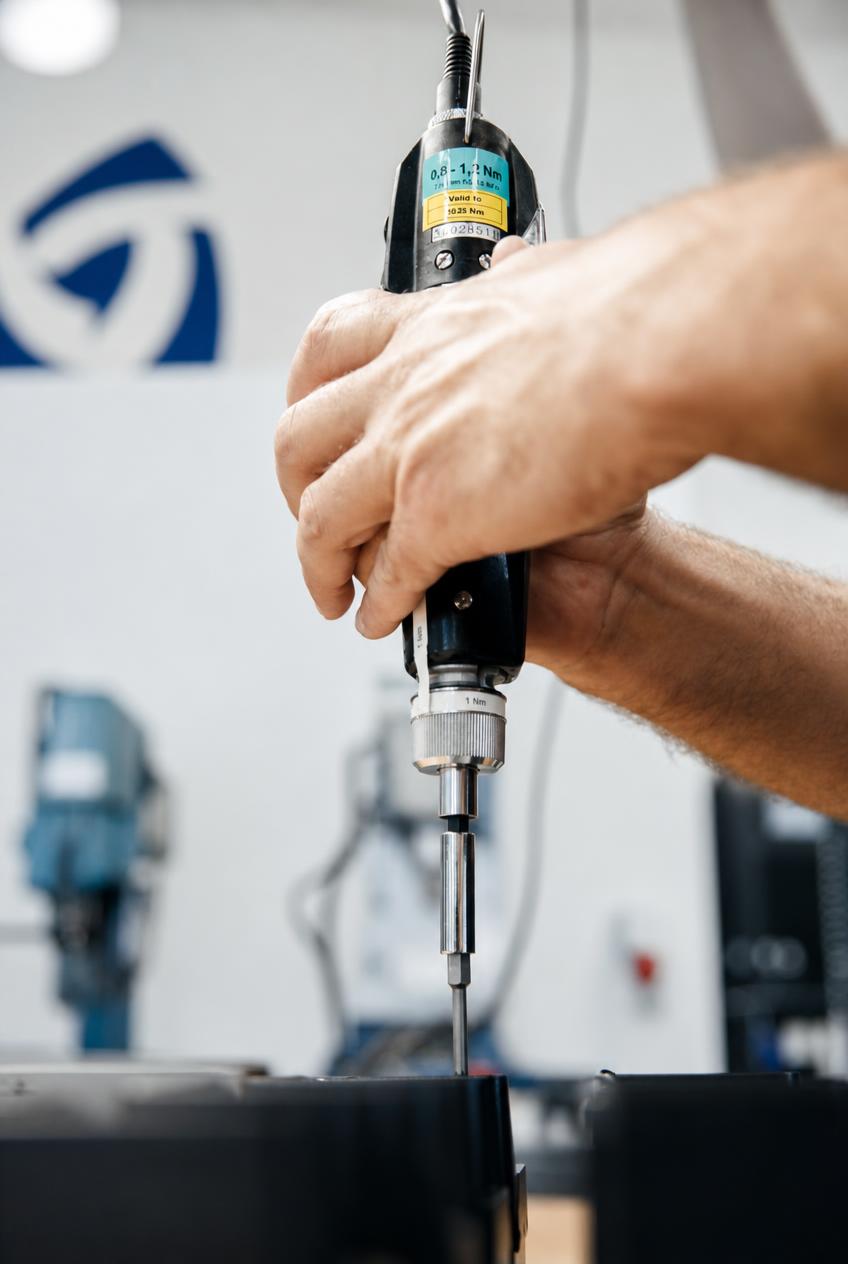
Every build has a work instruction with images, sequence, torque values and the check points that must be signed off along the way. The instruction is prepared together with the customer before the series starts, and updated if the design changes, so knowledge about the build lives in the system rather than with one individual.
Larger or heavier assemblies are handled on assembly trolleys and with lifting aids, so the unit can be turned without risk to either operator or surface. Parts with machined or treated faces are protected throughout the process.
Component control, marking and traceability
A finished assembly rarely consists only of parts we machined ourselves. Seals, bearings, springs, fasteners, O-rings and electrical items are often purchased by us on the customer's behalf, and every component has its own part number, its own incoming inspection and its own stock location. That gives a clear picture of what is on the shelf and what needs ordering before a series starts.
All components entering an assembly are recorded on the production order, so we can go back and identify which batch a seal or a bearing came from if the customer needs it. For customers in defence, medical and aerospace that traceability is not an extra, it is a precondition for using the delivery at all.
Finished assemblies are marked to the customer's requirements, with serial number, date code, the customer's own part number or a combination. Marking is agreed before the series starts, so it fits the customer's own systems rather than having to be reworked on receipt.
Inspection and function testing before packing
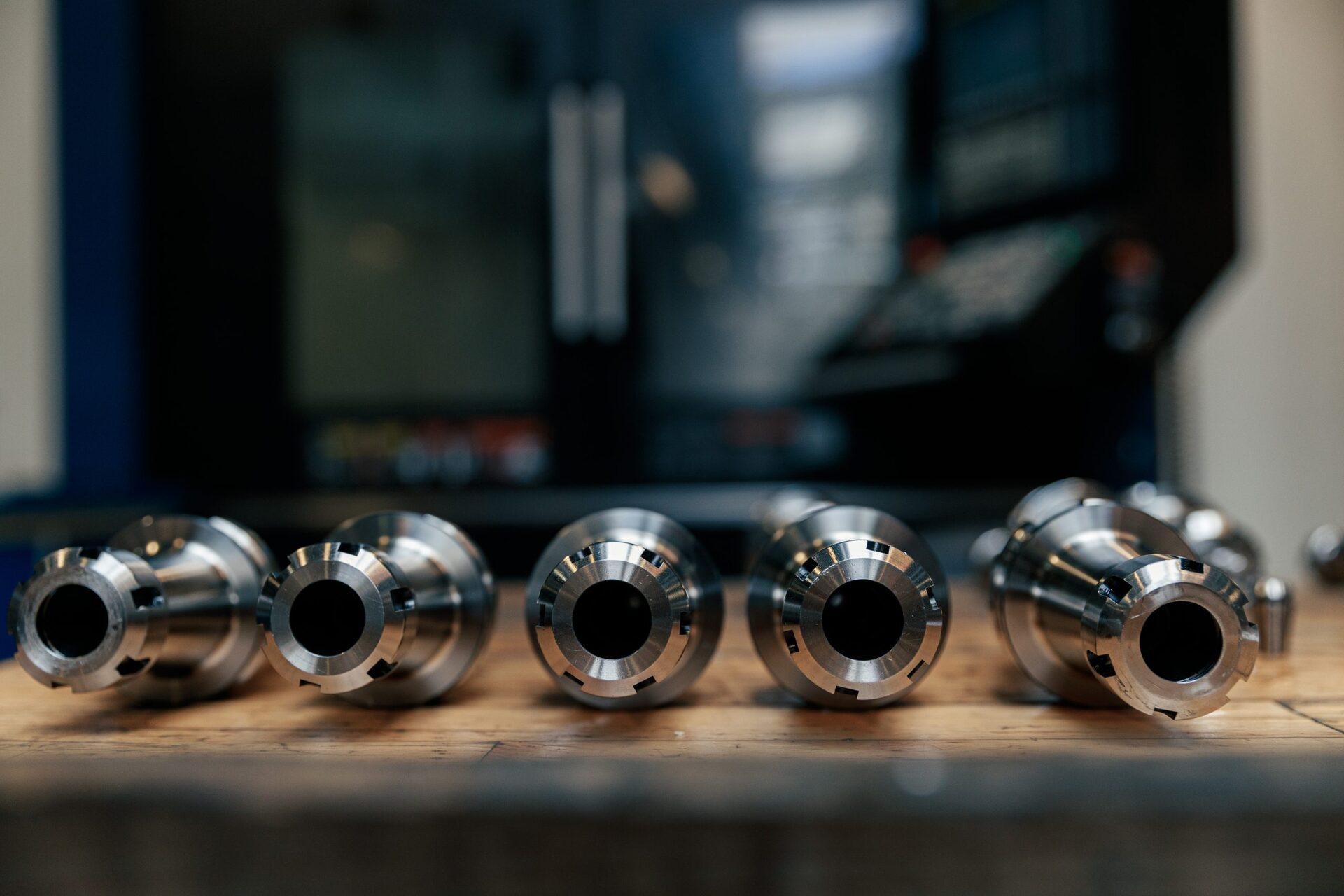
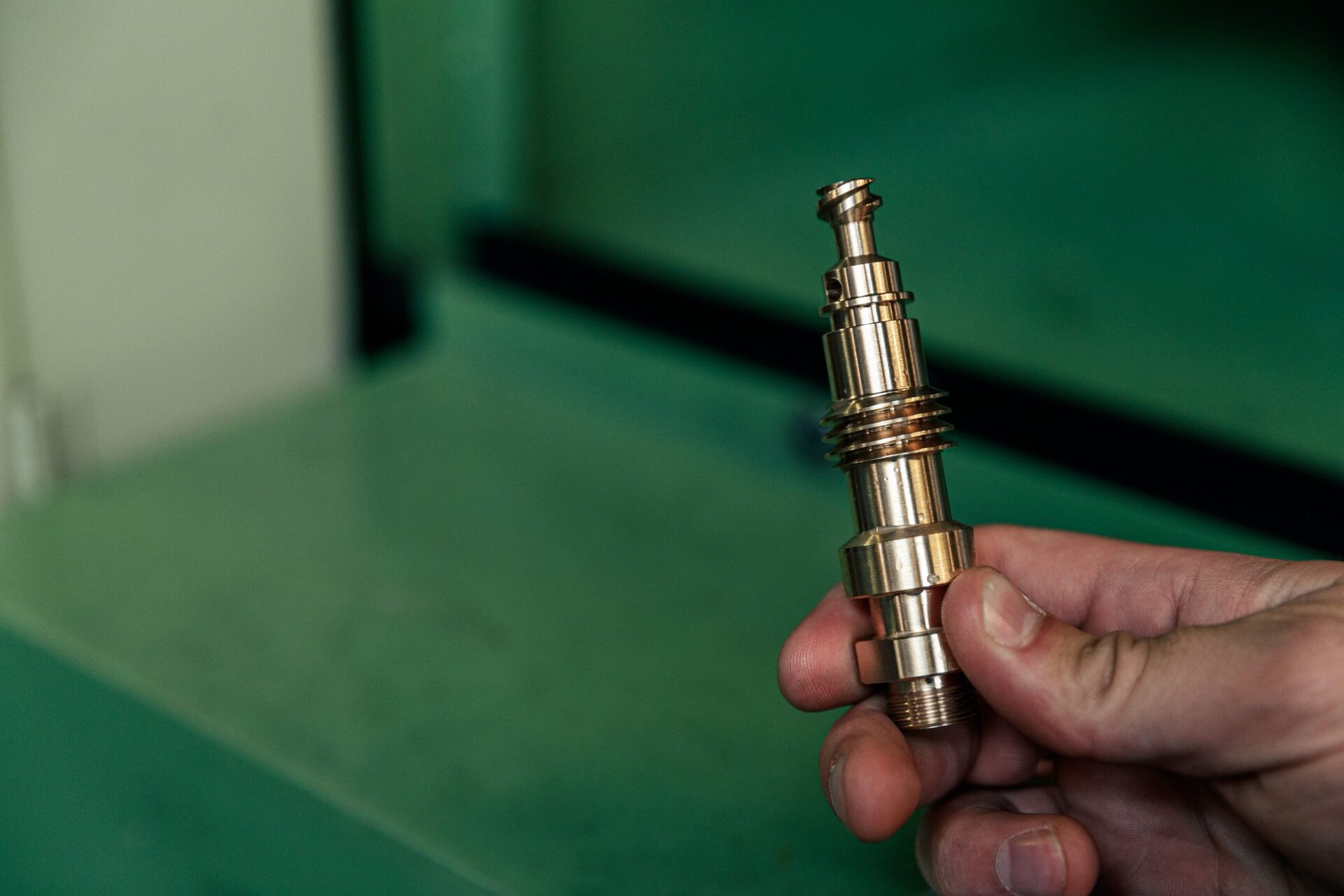
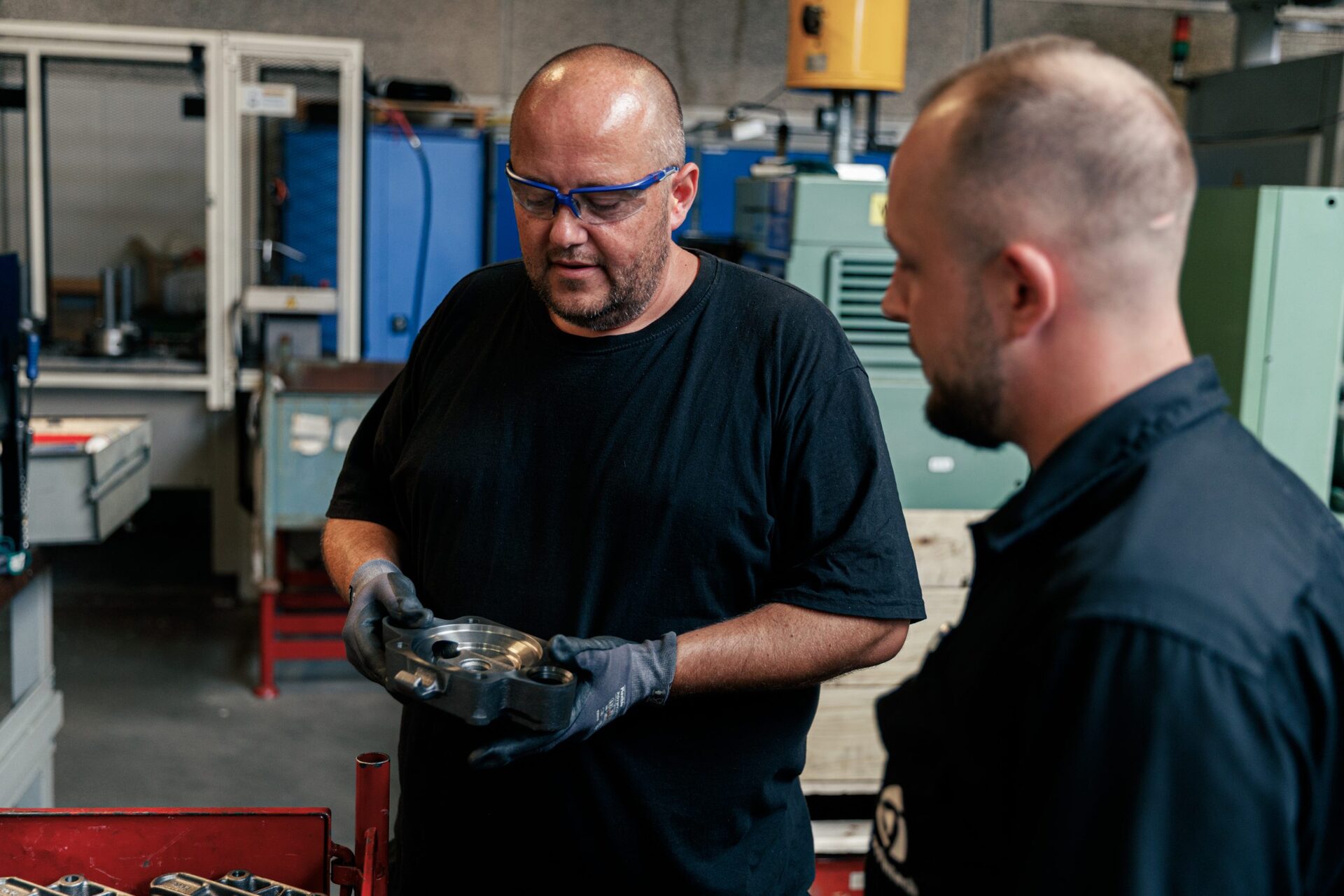
An assembly is not inspected only when it is finished. Check points along the way confirm critical dimensions, orientations and torques while corrections are still simple. Catching a reversed component at step three is cheaper than dismantling a completed unit.
Where the assembly has a function that can be exercised, we agree a functional test: that a shaft turns freely, that a valve opens and closes, that a movement has the correct travel, or that there is no leakage under test pressure. The scope is defined with the customer and documented in the same way as measurement results from machining.
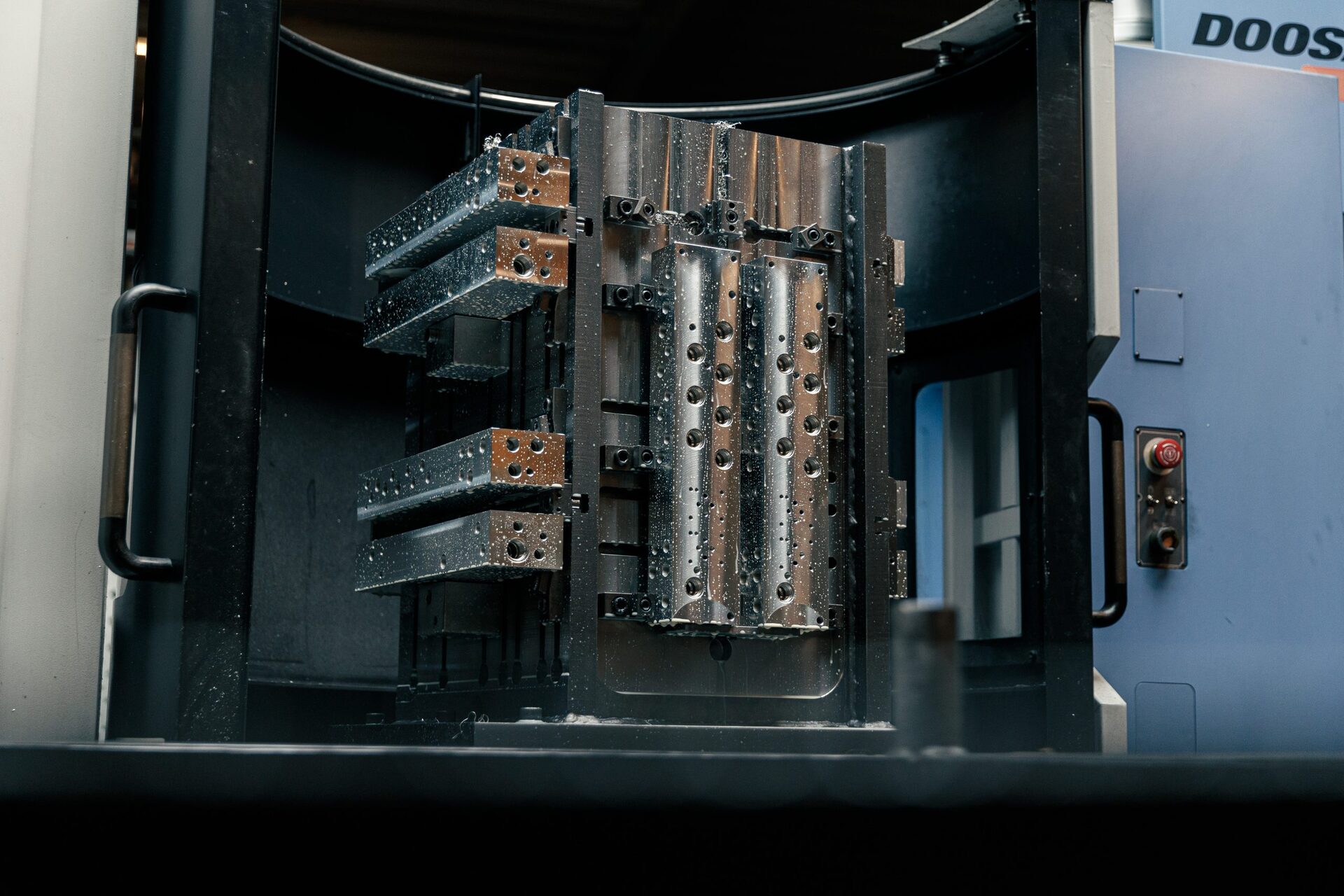
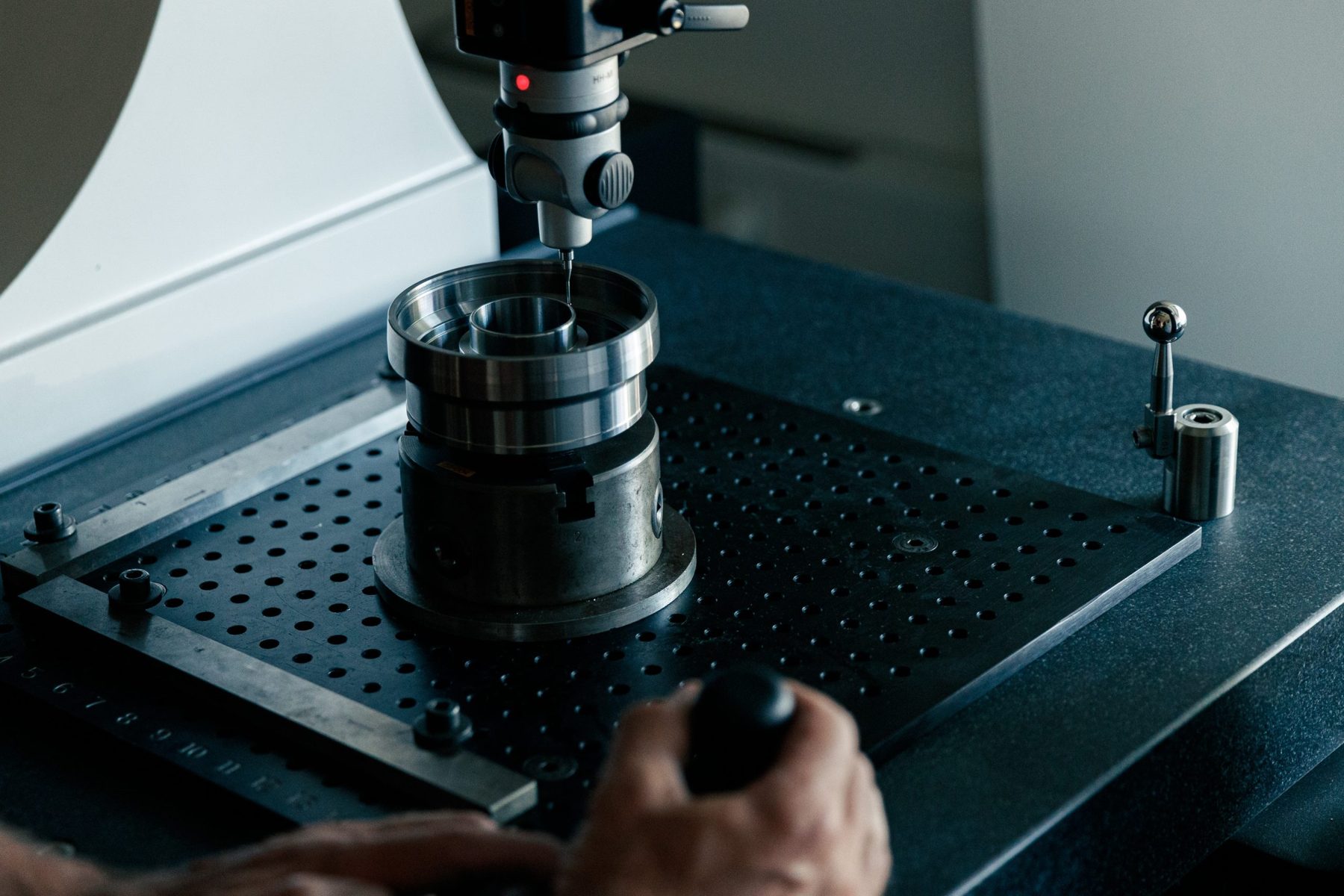
Machined parts entering the assembly have already been measured on 3D equipment before they reach the department, so assembly can concentrate on the function of the build rather than catching dimensional errors that should have been caught in production.
From prototype to running series
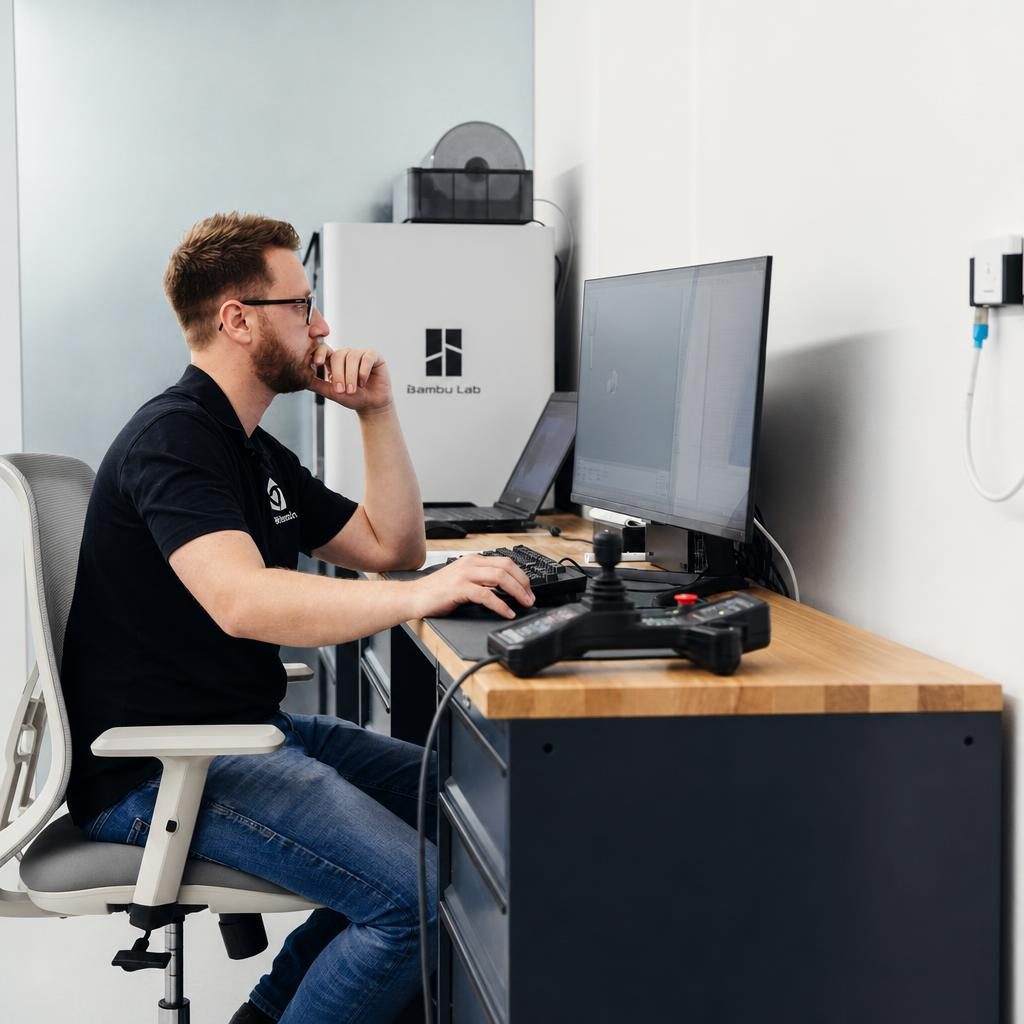
Many assembly jobs begin as a single unit or a small zero series. We build the first unit together with the customer, note what causes trouble, and use that experience to fix sequence, tooling and check points before the series goes into production. The largest savings are often found in that phase, because small design changes can remove expensive assembly steps.
We are happy to give concrete feedback on the design when we can see that a build will be unnecessarily awkward, or that a tolerance chain is becoming tight. The customer always decides, but our experience from comparable assemblies is part of what we deliver.
Once the series is settled it runs to fixed plans, with agreed call-offs and finished goods held in stock if the customer wants it, so the customer can draw on a steady flow of finished units instead of tying up capital in large one-off deliveries.
Packing, delivery and stock
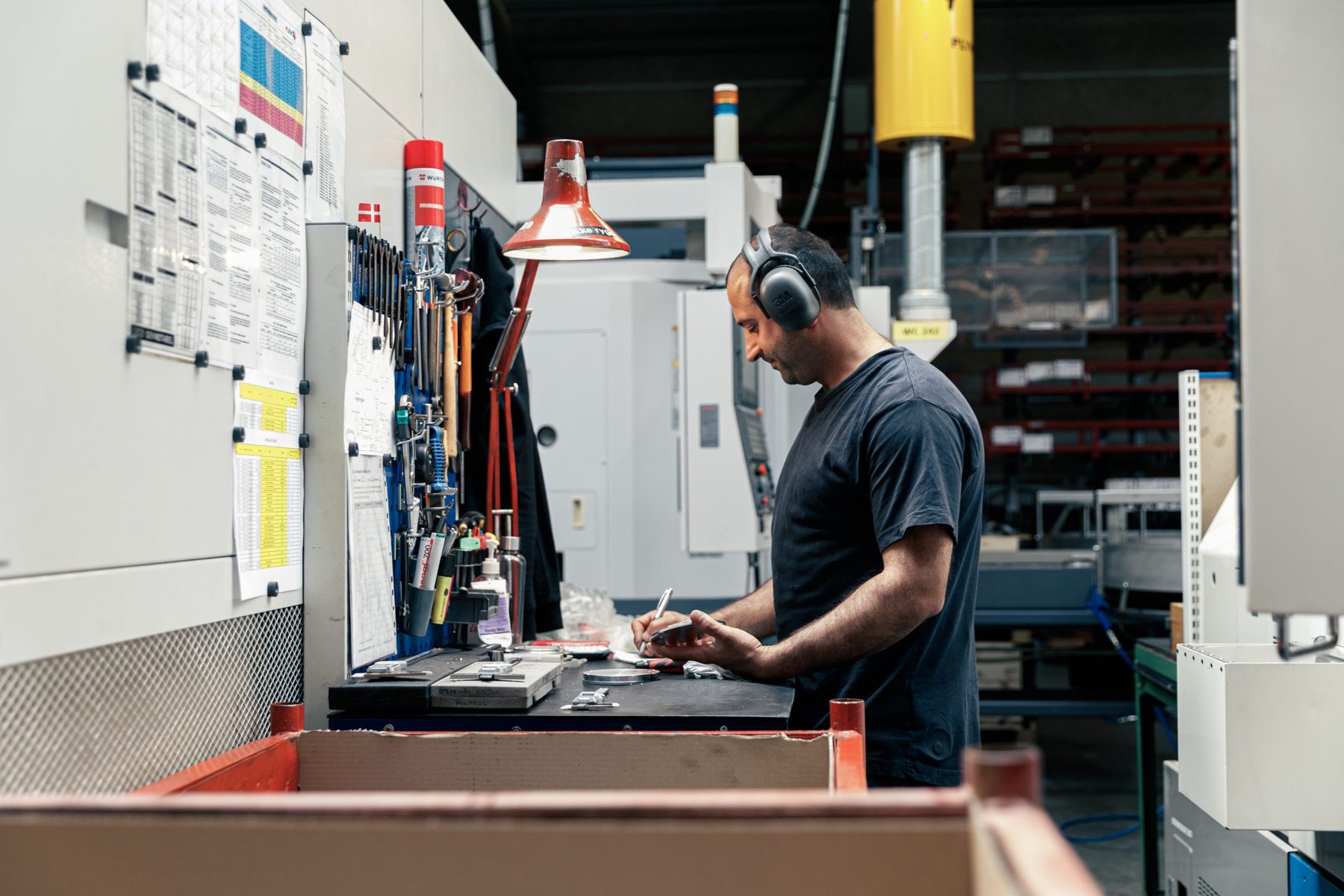
Finished assemblies are packed so they can go straight into the customer's own line: in the customer's own packaging or boxes, in fixed quantities per carton, with layer separators, or in special packaging for parts with sensitive surfaces. The packing format is agreed as part of the delivery agreement, not decided at the packing bench.
We can hold finished assemblies in stock and deliver against agreed call-offs, so deliveries follow the customer's own consumption. For that we use our storage facilities next to production, where finished goods are kept separate from work in progress and registered against the order.
If an assembly needs surface treatment at one of our fixed partners, we coordinate it as part of the order, and the part returns to us for final inspection and packing before it ships. The customer still has only one point of contact.
Confidentiality around the customer's product
A finished assembly often reveals more about the customer's product than a single machined detail does. Assembly work is therefore treated with the same confidentiality as drawing material: access to documentation is role-based, files are stored encrypted, and information about the build is not shared beyond the people working on it.
The customer owns its design and production material in full. We are happy to sign a confidentiality agreement before start-up, and we do not reuse a customer's solutions in other work, whether drawings, work instructions or the experience embedded in that specific assembly.
Shall we produce something for your company?
Send us your drawing and we will come back with a technical assessment and a quotation. We accept electronic drawings in most formats and treat all material confidentially.