
Hydraulics and pneumatics
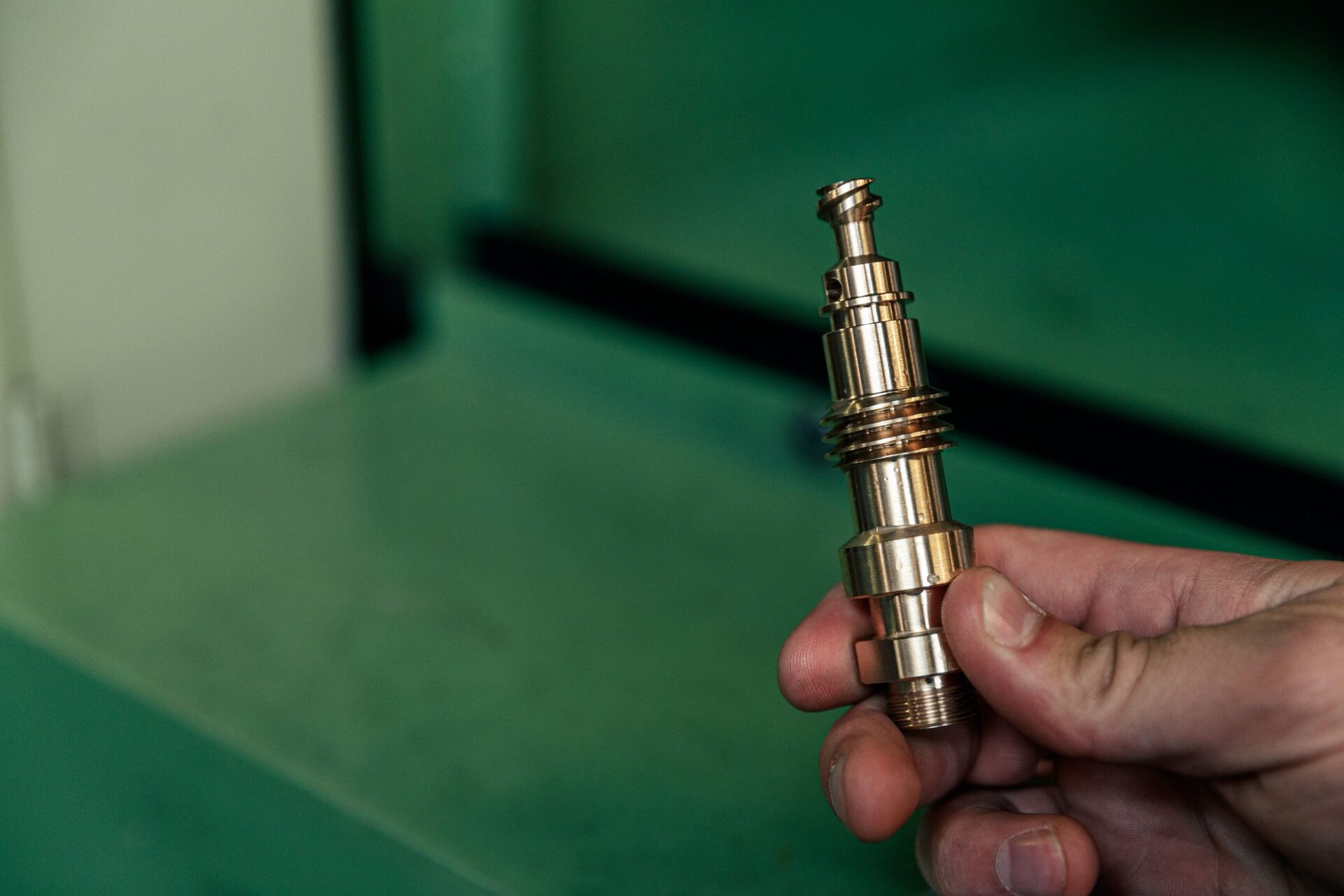
Components for the hydraulics and pneumatics industry, where sealing, surface quality and relative tolerances decide whether the system holds pressure.
- Tight tolerances on mating faces, bores and seal grooves
- Fine surface quality with no burrs in channels
- Clean parts with no chips left in internal bores
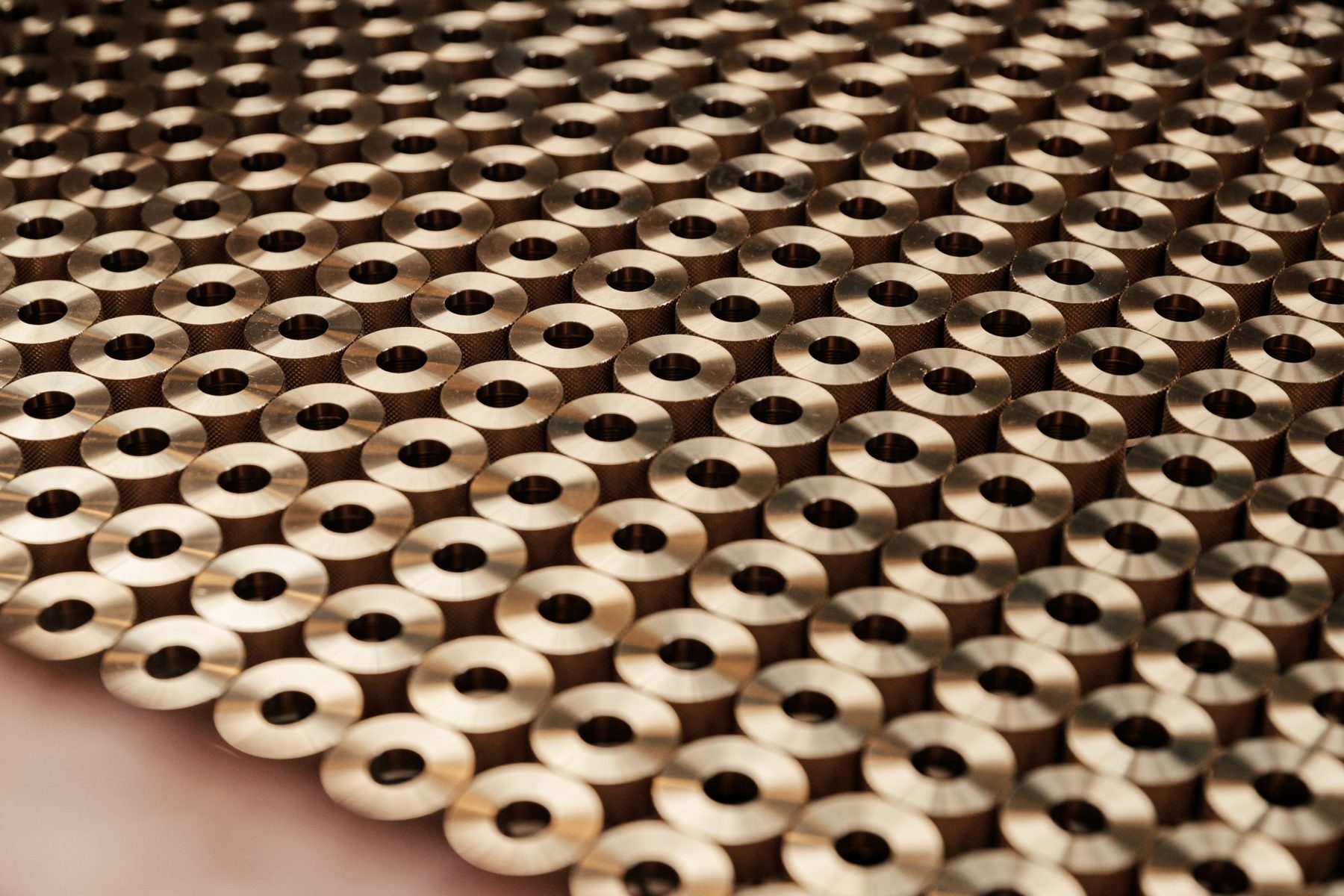
- Reproducibility part after part in large series
- Pressure tightness documented through a stable process
Deep bores and internal channels
High-pressure drilling at up to 70 bar gives good chip evacuation and a controlled surface in deep holes, also in tough materials. That is decisive in manifolds and valve bodies, where crossing channels must meet precisely, and where a burr or a chip can lodge in a system working at high pressure.
Everything in one setup
Turning centres with C and Y axes perform turning, milling, drilling and thread cutting in the same setup. Fewer setups mean better relative tolerances between seal grooves, bores and mating faces, and it is exactly that relative precision that determines whether the component seals.
Cleanliness and packing
Cleaning, deburring and packing are arranged to the customer's specification so parts can go straight to assembly. In large series we use statistical process control, so we catch drift long before it becomes a deviation on the customer's assembly line.
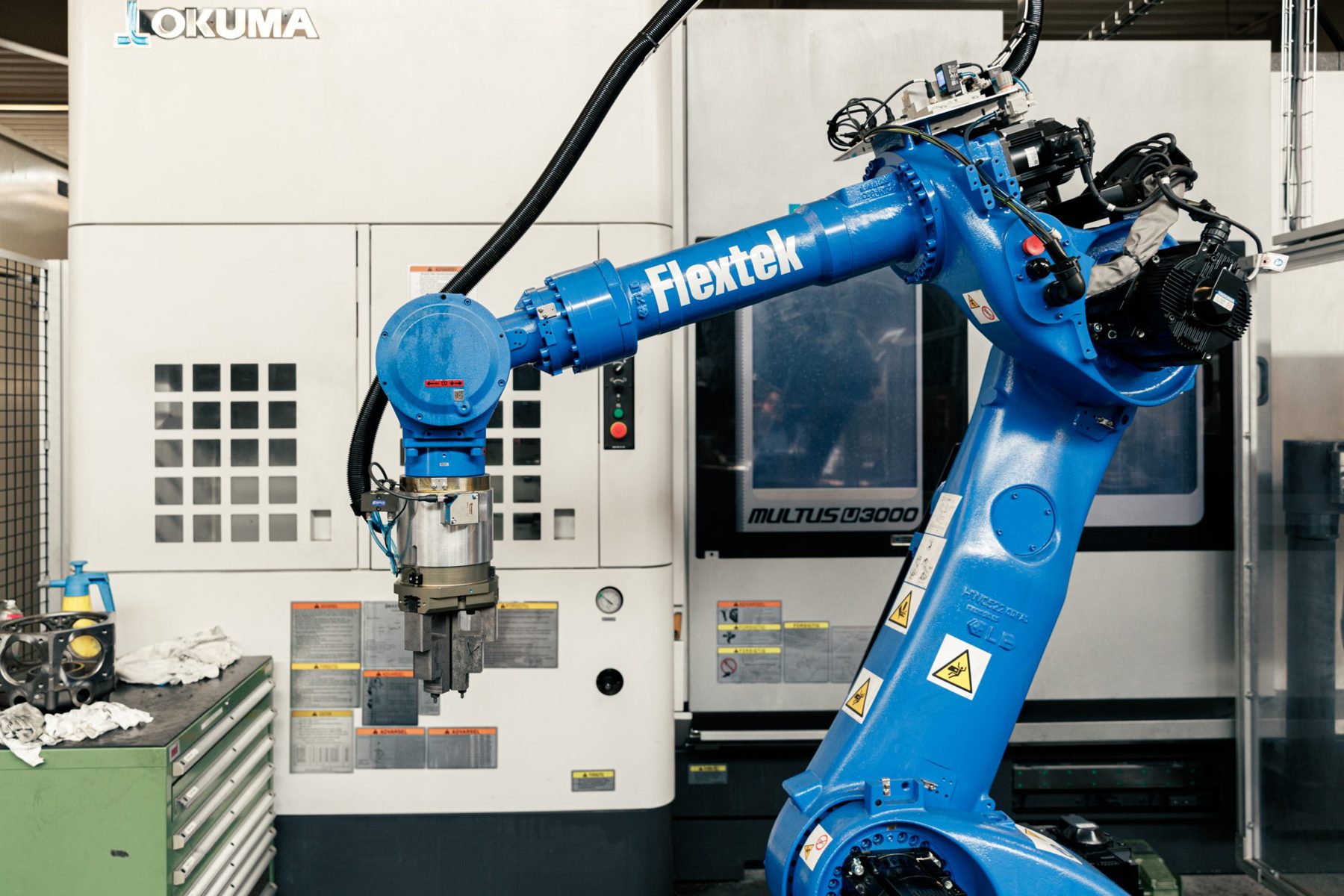
Operating environment at high pressure and frequent thermal cycling
A hydraulic system often works at pressures of several hundred bar and undergoes frequent thermal cycling as the oil heats up during operation and cools at standstill. Those cycles expand and contract the material, and a component correct at 20 degrees can behave differently at operating temperature. We account for that by choosing materials and tolerances that keep function stable across the relevant temperature range.
Pressure spikes and pulsating load are another reality in hydraulic systems, placing demands on fatigue strength in critical geometries such as bores and threads. We avoid sharp internal corners where possible and use radii that reduce stress concentration without compromising the function the component must fulfil.
Hydraulic components are often mounted close to heat sources such as motors and pumps, which demands material stability at elevated temperature over long periods. We advise on material choice when we see that a component's position in the system creates an operating environment harsher than a standard solution is rated for.
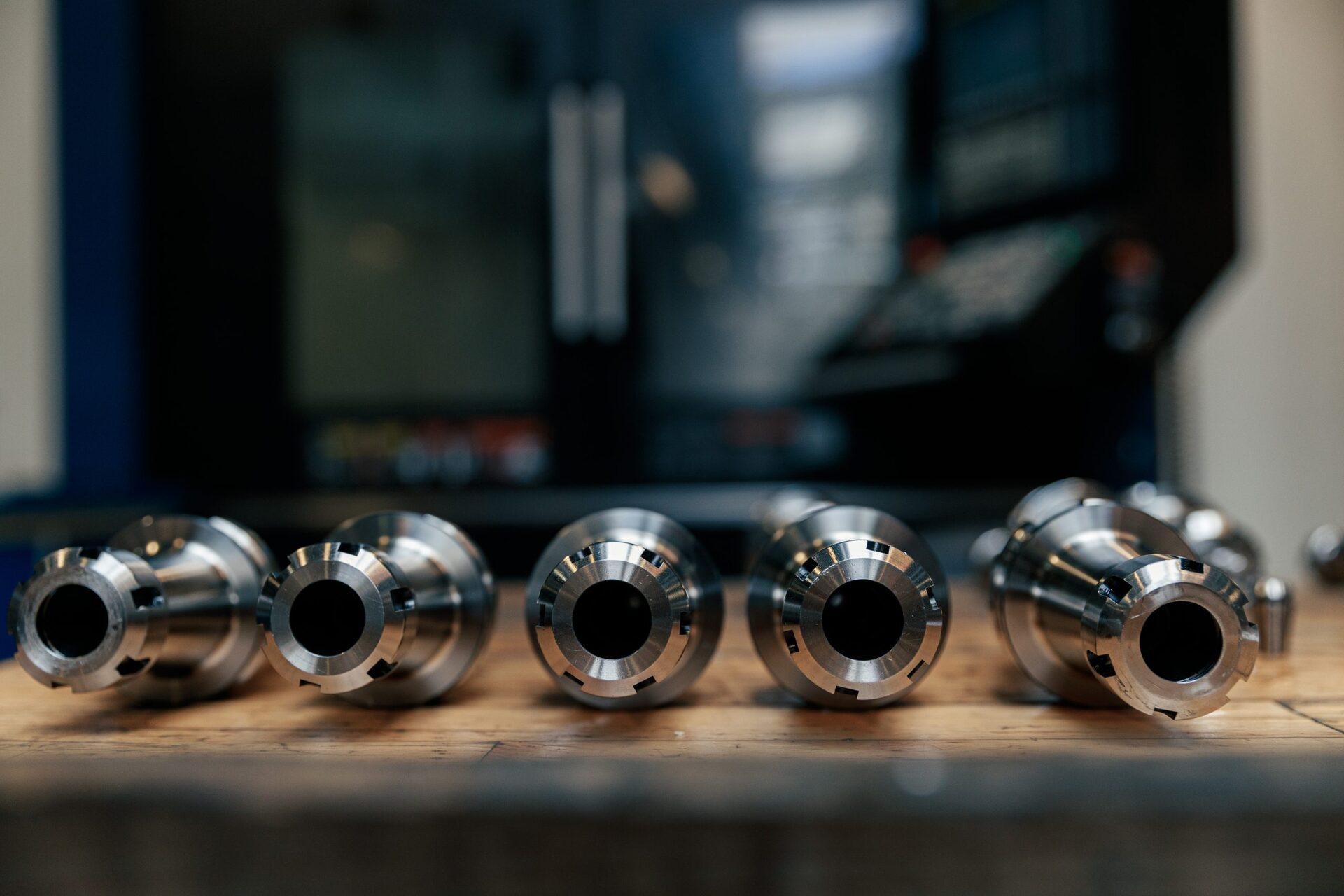
Materials for valve blocks and cylinder components
Valve blocks are often machined in high-strength steel with many crossing channels, where internal freedom from burrs matters as much as the external surface. We plan drilling operations so crossing channels do not leave burrs that later break loose in the system and lodge in a valve seat, where they can cause leakage or reduced function long after the component is in service.
Cylinder tubes and piston rods require hardened or hard-chromed surfaces that resist wear from seals over millions of cycles. We coordinate that surface treatment through established Danish partners and plan machining so dimensions and roundness hold after treatment, rather than requiring rework afterwards.
For the most heavily loaded components we use high-strength alloys chosen specifically for hydraulic applications, and we know the cutting data that give a clean surface without introducing stresses that could later release as deformation or cracking under pressure.
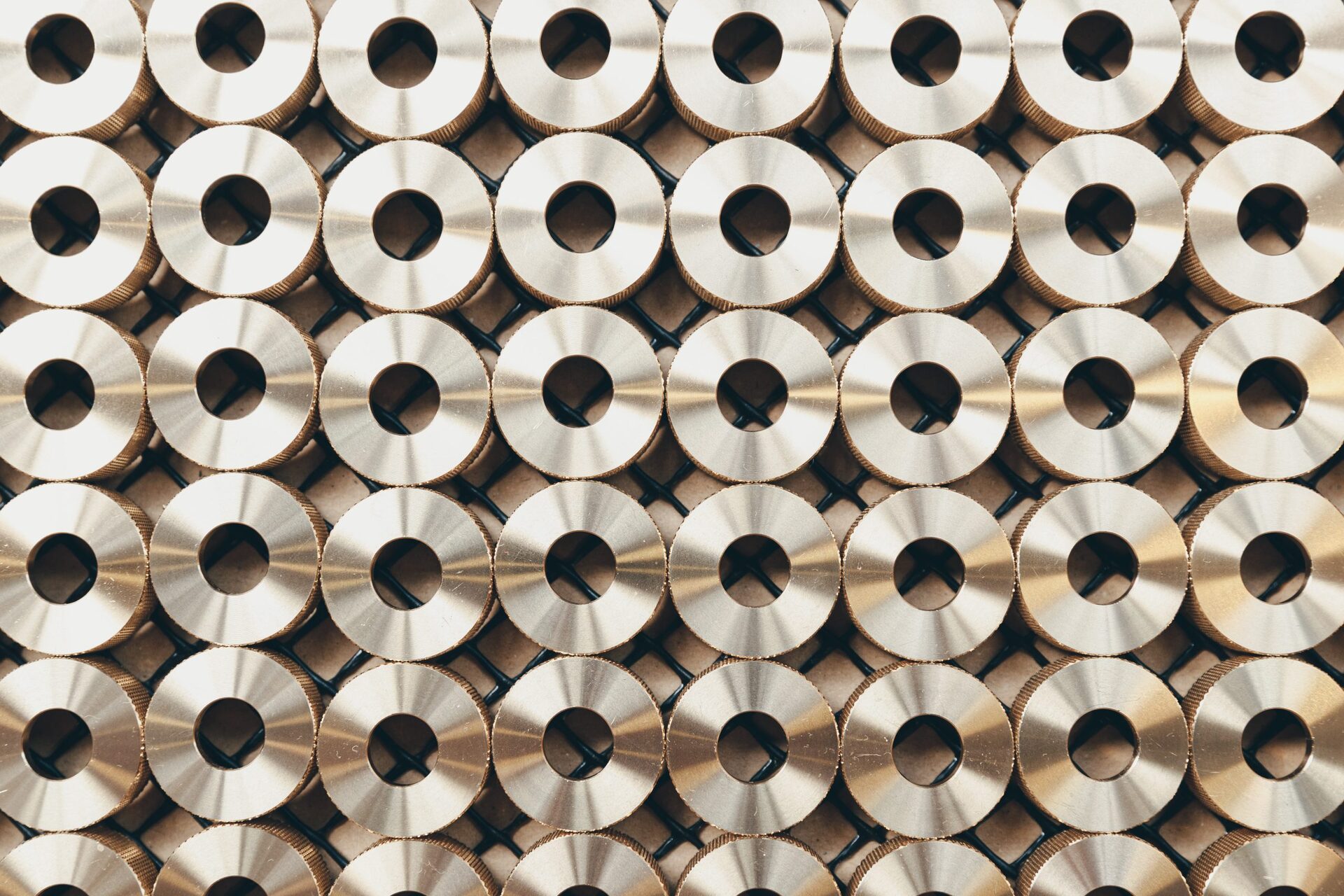
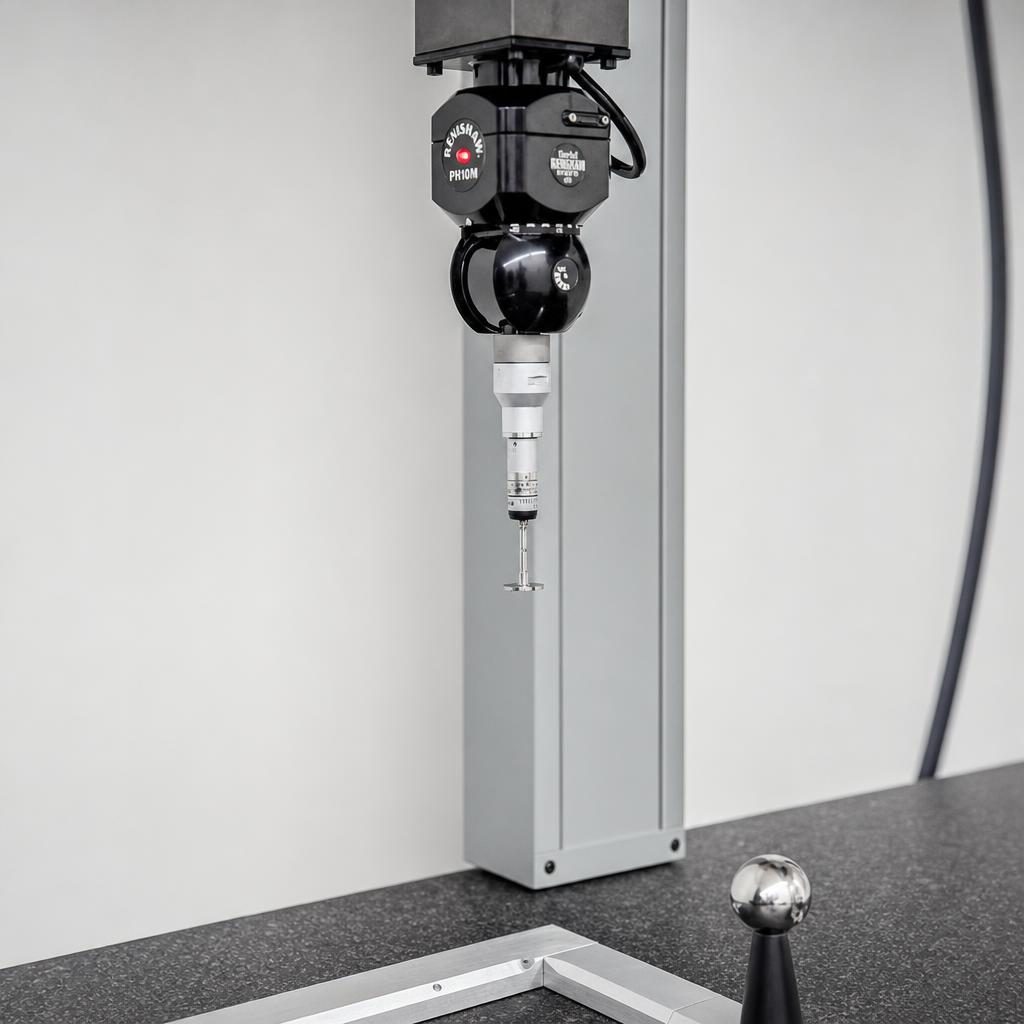
Documentation and measurement reports on critical geometries
In hydraulic components, quality is rarely decided by a single measurement, but by the interplay of several critical dimensions: bore diameter, seal groove surface, flange flatness and perpendicularity between two axes. We produce measurement reports covering exactly the dimensions that matter for sealing and function, rather than a generic report that misses what could actually go wrong.
In large series, statistical process control is used on critical dimensions, with results made available to the customer on an ongoing basis. That lets the customer's quality department track a process over time and react if a trend starts moving toward the tolerance limit, rather than only checking a single measurement point at delivery.
For customers with their own supplier-approval requirements, we provide the documentation needed to pass an initial audit, including material certificates, process specifications and examples of past measurement reports, so the approval process can proceed without unnecessary delay.
Series production and spare parts for cylinders and pumps
Hydraulic components typically sit in systems that run for many years, and spare parts for cylinders, valves and pumps are often requested long after the original series has ended. We archive fixtures, programs and measurement plans, so a repeat run of a single spare part produces a part identical to the original, no matter how many years have passed since the last delivery.
For customers with ongoing production, we agree call-off arrangements where components are delivered in step with consumption rather than in large one-off batches, reducing the customer's need to tie up capital in their own stock. That requires a supplier with stable capacity, which our degree of automation and machine park support.
We also reverse-engineer older hydraulic components where the original drawing is gone. By measuring the worn part and discussing the functional requirements with the customer's engineer, we can produce a replacement that fits into a system even when the original equipment no longer exists at the supplier that built it.

- ISO 9001 certified quality management since 2015
- 3D measurement of parts and measurement reports as documentation
- Traceability at batch and part level
- Cleanliness, deburring and packing requirements agreed per part
If you have questions about this content, please contact us at salg@rmfintech.dk.
Working with designers on tight tolerance chains
Hydraulic systems are often designed with long tolerance chains, where several components from different suppliers must work together for the system to seal and function as intended. We like to be involved early in that process, pointing out which geometries are expensive to hold tight and suggesting alternative solutions that give the same function at a lower cost.
Confidentiality is central to that cooperation, because hydraulic systems often contain the functional core of a product the customer does not want to share widely. We sign confidentiality agreements before drawings are sent and store customer material separately from other jobs with role-based access internally.
We never reuse a customer's specific geometry or process experience on another job, even when two customers work within the same part of the hydraulics industry. That strict separation is a precondition for customers with competing products both being able to use us as a supplier without concern.
Shall we produce something for your company?
Send us your drawing and we will come back with a technical assessment and a quotation. We accept electronic drawings in most formats and treat all material confidentially.