
Agriculture and agro industry
Machined parts and assemblies for agricultural machinery, barn technology, feeding and fertiliser systems, where reliability and long service life matter most.
- Robust parts that withstand vibration, dust, moisture and changing loads
- Materials and finishes that resist fertiliser, silage and cleaning agents
- Delivery reliability before and during the season
- Competitive unit price on repeat series
- Spare parts for machines that have been in service for many years
Built for harsh operating conditions
Agricultural machinery works in one of the most demanding environments there is: dust, moisture, temperature swings, chemicals and constant vibration. We machine shafts, hub parts, coupling components, hydraulic brackets and wear surfaces in tough steels, stainless and acid-resistant steel, and we set tolerances and surfaces so the parts keep their seal and fit throughout their service life, not just at assembly.
The season sets the pace
A machine standing still during harvest costs far more than the spare part itself. We work with framework agreements, scheduled call-offs and stock buffers so components are ready when the season starts, and we can bring capacity forward on our automated setups when a manufacturer needs to raise output quickly.
From prototype to spare part
We follow the product all the way. First prototypes and functional tests with the customer's engineers, then a pilot series and full production, and later spare parts for machines still working in the field many years on. Programs, fixtures and measurement plans are archived, so a repeat run produces exactly the same part as the first time.
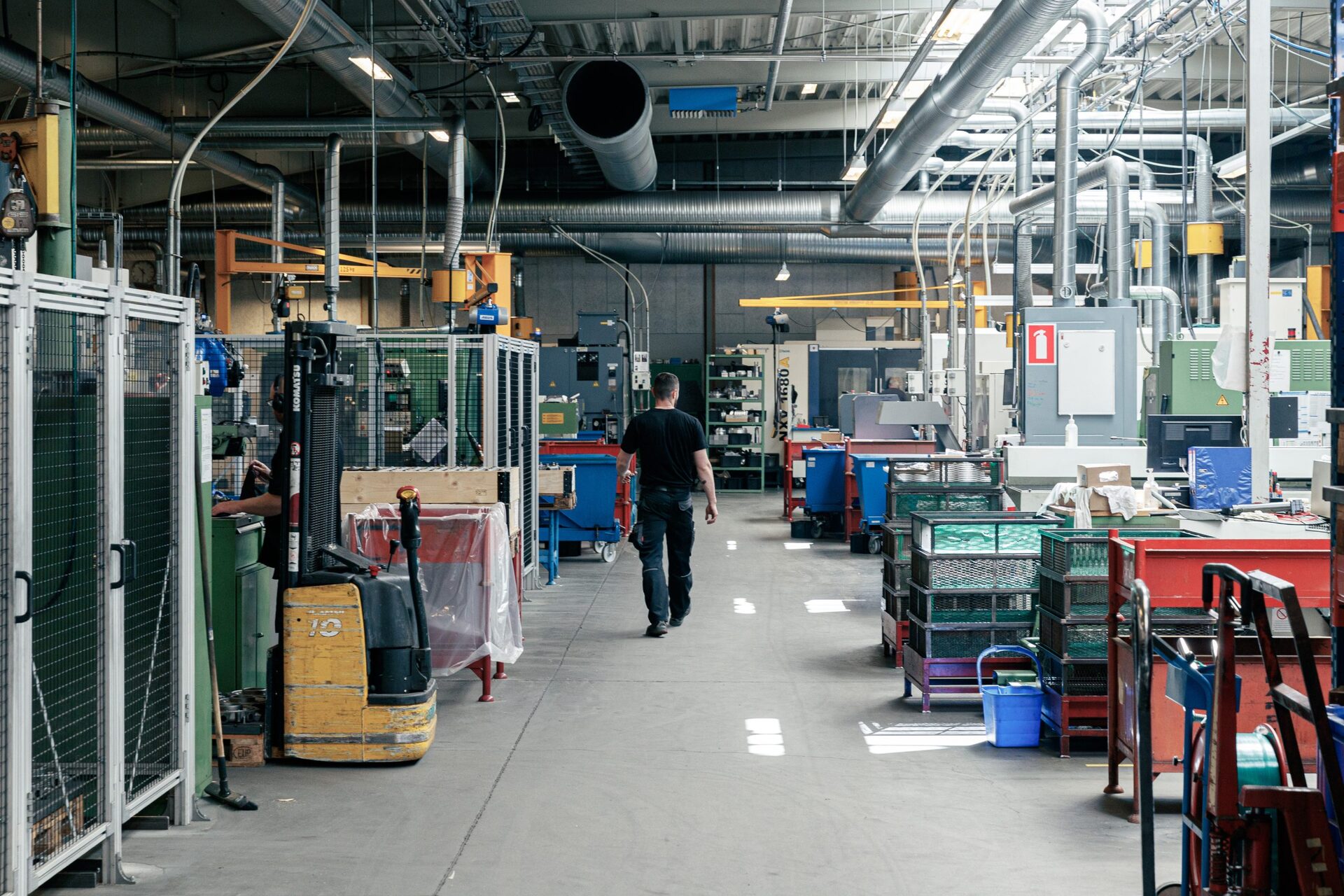
Operating environment of dust, vibration and shifting load
An agricultural machine rarely works under stable conditions. Temperature swings from frost in the morning to heat by midday, dust gets in everywhere, and load shifts from idle to full power in seconds when the machine meets uneven terrain or a heavy crop. Components that must hold up under those conditions need margins that account for vibration and fatigue, not just the static load stated on the drawing.
We therefore pay close attention to transitions and radii in the design, because that is often where a fatigue crack starts after thousands of load cycles in the field. When we see a sharp internal corner that is not functionally necessary, we flag it before the part goes into production, so the customer avoids claims that only surface after a season of operation.
Dust and moisture also place demands on fits around bearings and seals. Too tight a fit can bind as temperature rises, while too loose a fit lets in dirt. We work with fit tolerances proven in similar applications and adjust them if the customer's own field experience points elsewhere.
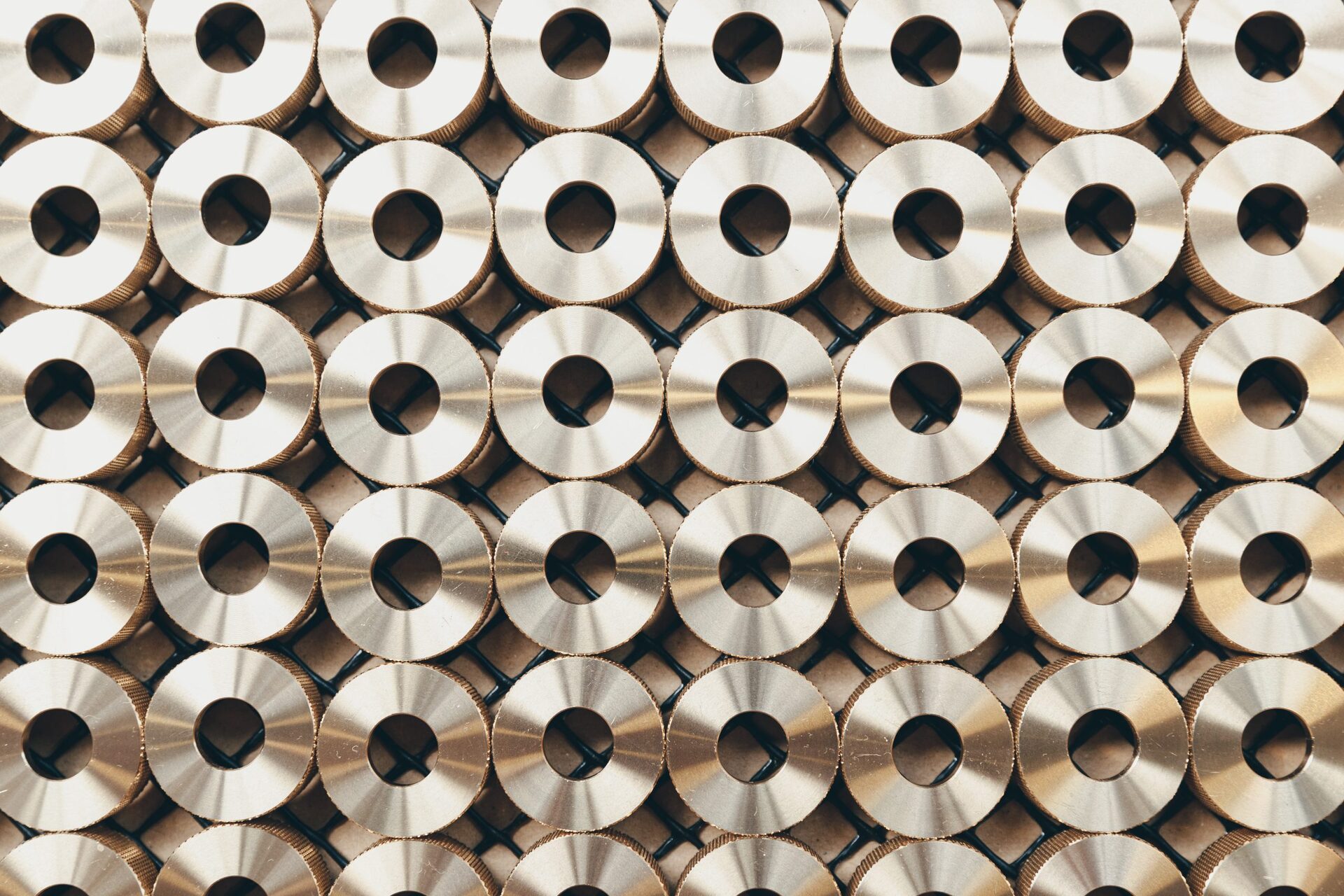
Tolerances in gearboxes, PTOs and hydraulic couplings
Power transmission in agricultural machinery, from PTO shafts to gearboxes and hydraulic couplings, requires fits that hold up over time without field adjustment. We machine splines, threads and coupling faces to the tolerance classes power transmission demands, and measure the result on 3D equipment, so a shaft made today mates with a gearbox produced elsewhere without extra fitting at assembly.
On hydraulic couplings, sealing matters as much as the fit itself. A rough surface in a seal zone causes a slow leak that only shows up after a season of running. We fine-finish the critical seal faces specifically and leave the rest of the part on a standard, more economical finish.
Because agricultural machines are assembled from components made by several suppliers, reproducibility matters more than any single top measurement. We run statistical process control on series, so the same shaft, produced in February and in August, falls within the same tight spread, and the machine builder's assembly line can rely on the same result every time.
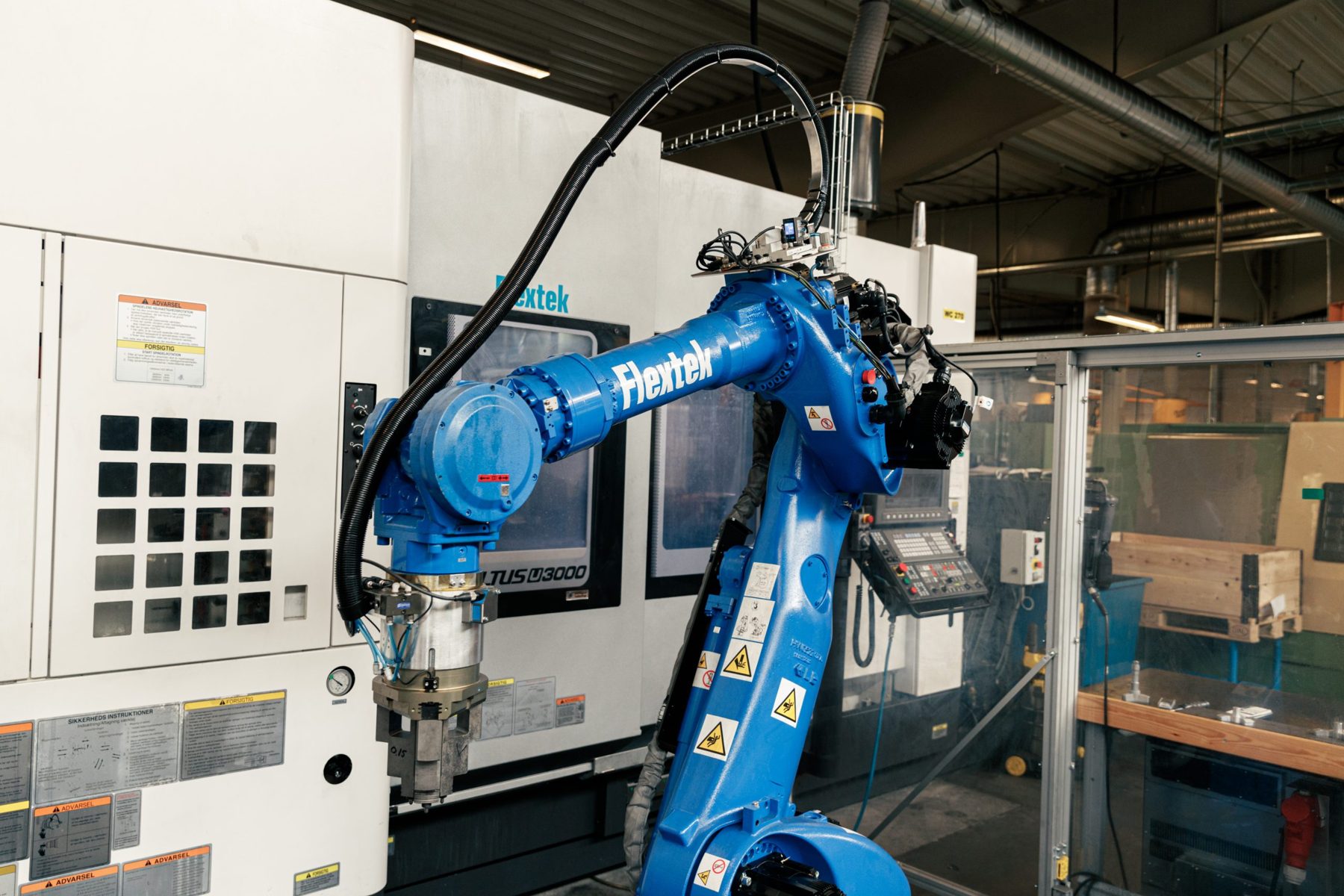
Documentation for CE marking and warranty cases
Agricultural machines sold in the EU must be CE marked, and part of that documentation originates from the sub-supplier's production. We provide material certificates, measurement reports on critical dimensions and batch-level traceability, so the machine builder can fold our documentation into their own technical file without having to chase information that should have come with the delivery from the start.
In warranty cases, traceability is essential for deciding whether a fault stems from material, machining or field use. Because we archive production data per batch, we can quickly identify which steel batch a defective component came from, and whether other parts from the same batch are in circulation. That cuts the case handling time down from weeks to days for the customer's quality department.
We tailor the documentation scope to the task. A simple bracket does not require the same paperwork as a load-bearing shaft part, and we agree the level with the customer before the series starts, so documentation matches actual risk rather than becoming an unnecessary cost driver.
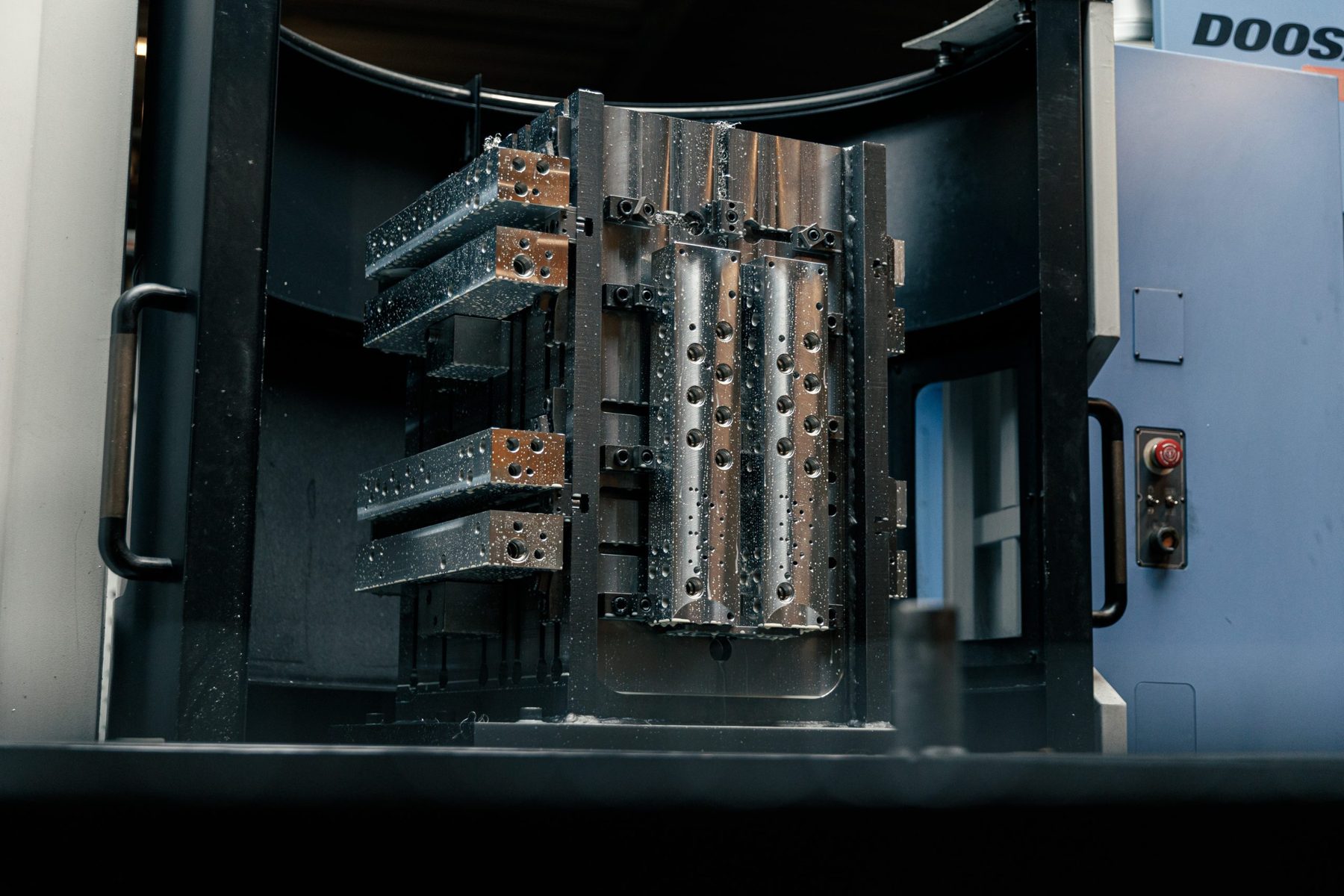
Seasonal stock and spare parts for machines in the field
Agricultural machines have a long service life, often twenty years or more, and a machine standing idle in the middle of harvest for lack of a spare part costs the farmer far more than the price of the part. We archive programs, fixtures and measurement plans for every component we have produced, so a repeat run of a single spare part can start without a fresh setup, even years after the original series ran.
For machine builders who see large seasonal swings in demand, we build stock buffers ahead of the season under an agreed call-off plan. That means the customer does not have to tie up capital in finished-goods stock year-round, but can draw on a steady flow of components as demand peaks in spring and autumn.
We also often get requests for spare parts for machines where the original drawing has been lost. We measure the worn part, recreate the drawing together with the customer's engineer and produce a replacement that fits without adjustment in the field, even when the original supplier has closed or changed.
- ISO 9001 certified quality management since 2015
- 3D measurement of parts and measurement reports as documentation
- Traceability at batch and part level
- Material certificates and surface treatment through established Danish partners
If you have questions about this content, please contact us at salg@rmfintech.dk.
Close cooperation with machine designers
Many of our customers in agriculture are themselves designers developing new machines or upgrading existing models. We are often brought in early, offering input on what can be machined economically and where a small design change can remove a separate fixturing step or an expensive special fit without compromising the machine's function.
Confidentiality is a natural part of that cooperation. New machine concepts are commercially sensitive long before launch, and we are happy to sign a non-disclosure agreement before drawings are sent. Access to customer files is role-based internally, so only staff working on the task see the design.
We never reuse a customer's solution on another job, not even in anonymised form. That applies to geometry, fixturing methods and the process-specific adjustments we have developed for a given customer, and it is part of the trust long-term relationships in agriculture are built on.
Shall we produce something for your company?
Send us your drawing and we will come back with a technical assessment and a quotation. We accept electronic drawings in most formats and treat all material confidentially.