
Surface treatment
Surface treatment is handled through an established network of qualified partners, managed and documented by us.
- Delta coating
- Nickel plating
- Anodising
- Painting
- Hardening
One point of responsibility
We handle planning, transport and quality control of surface-treated goods, so you have one interface and one responsible partner.
- Steel and stainless steel
- Aluminium
- Brass
- Cast iron
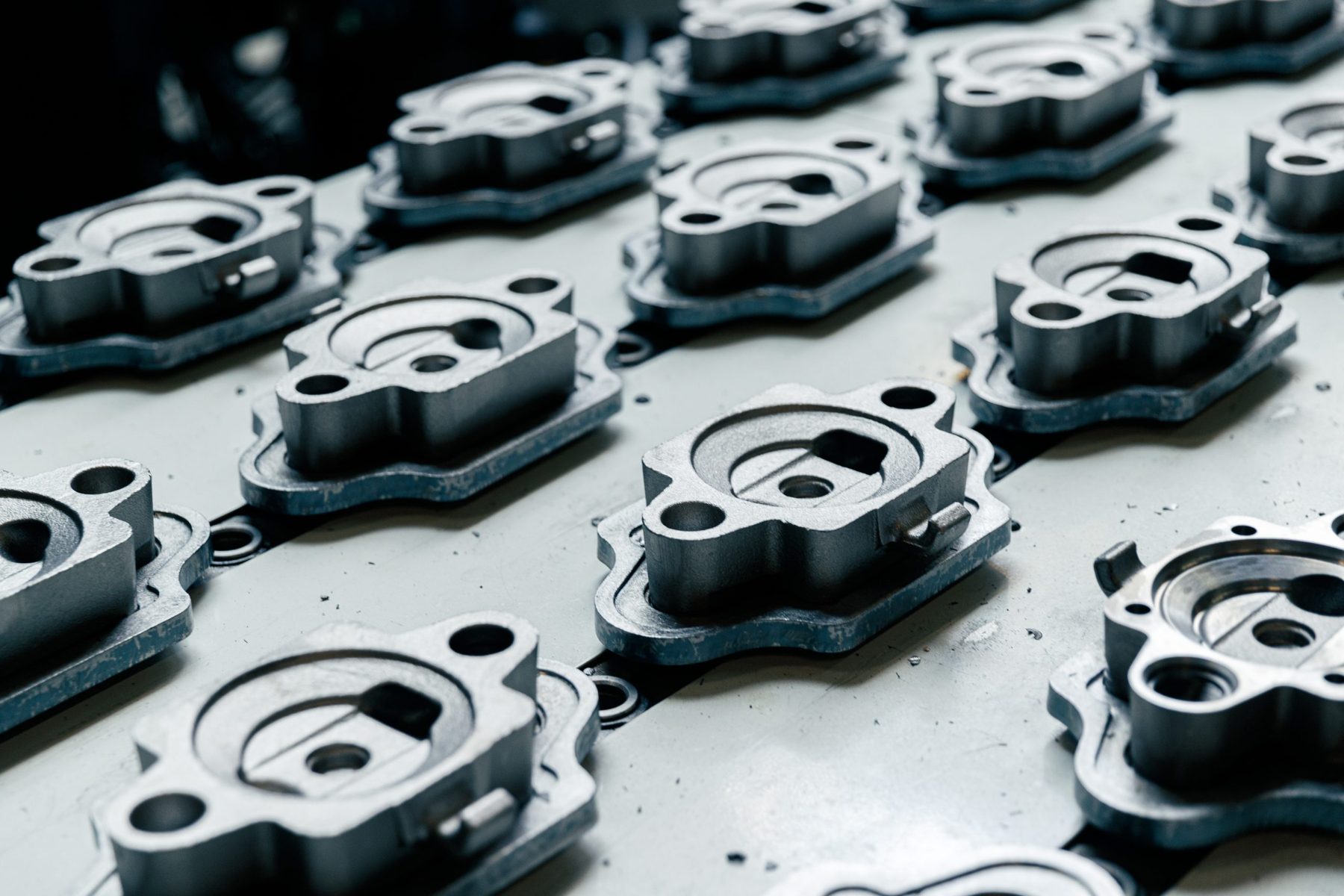
Treatment chosen by function, not by habit
Surface treatment is chosen based on the part's function and operating environment, not on what is usually specified. A part exposed outdoors, to salt water or to chemical influence has different requirements from a part used only in a dry indoor assembly. We advise on the treatment that gives the right balance of corrosion resistance, wear resistance, conductivity and appearance, and leave the final decision to the customer based on the functional context.
Delta coating is typically used for fasteners and components requiring controlled friction and good corrosion resistance without adding meaningfully to the dimensions. Nickel plating and anodising are chosen when the requirement is wear resistance, electrical insulation or a particular surface hardness, while painting and hardening cover cases where appearance, mechanical strength or a combination of both matters. The choice is documented on the drawing or in a separate treatment specification, so it is not left open to interpretation later.
Some parts require several treatments in sequence, for example hardening followed by a surface treatment, where the order affects the final result. We plan that kind of sequence together with our partners so the part does not travel back and forth unnecessarily, keeping the overall lead time as short as possible without compromising the outcome.

Preparing the part before treatment
A part destined for surface treatment is prepared differently from a part delivered untreated. Sharp edges that could cause uneven coating thickness are rounded by agreement, threads and mating faces that must not be affected by the coating are masked or reworked afterwards, and the surface is cleaned of chips, oil and cutting fluid before it is sent on. That preparation is agreed during the drawing review, not as a correction afterwards.
Tolerances on mating faces are calculated with coating thickness built in, so a part that must reach a certain dimension after treatment is machined to a different dimension before treatment. That requires knowing the typical thickness and variation of the chosen process, and that information is a standing part of our dialogue with the treatment partners, so no surprises arise when the part comes back.
For parts with critical geometries where even a small shift in coating thickness matters, we agree closer measurement of both the untreated and the treated part. That makes it possible to adjust the machined dimension if a particular treatment process turns out to deviate systematically from expectations, instead of discovering it as a rejected delivery.
Partner network and division of responsibility
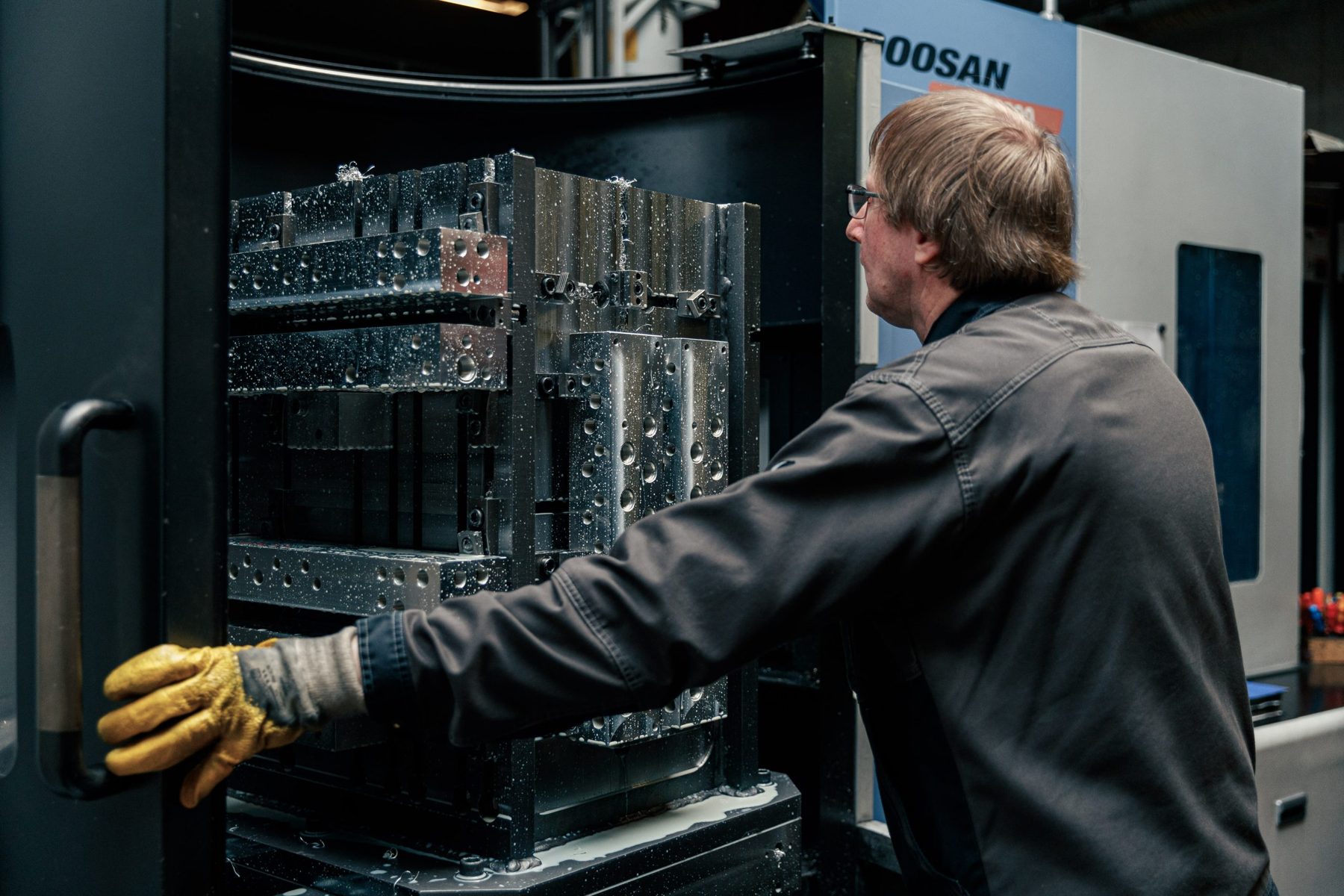
Our surface treatment partners are Danish companies we have worked with for many years, and the choice of partner is made according to the specific treatment, the material and the size of the part. We know our partners' capacity, their typical lead time and their quality level, and we use that knowledge to plan when a part needs to leave the building during production and when it is expected back.
Even though the treatment is carried out externally, overall responsibility for the delivery sits with us. The customer has an agreement with RM Fintech, not with the individual treatment partner, and any complaints or questions about the treated part are handled by us, regardless of whether the cause lies in the machining or the treatment itself. That is a deliberate part of our offer: the customer deals with only one supplier.
We follow up continuously on our partners' deliveries with sample checks and dialogue about deviations, in the same way we would expect of a subcontractor to ourselves. If a partner fails to meet the agreed level over time, we adjust the arrangement or find another solution rather than letting the problem become the customer's.
Documentation and inspection of the treated part
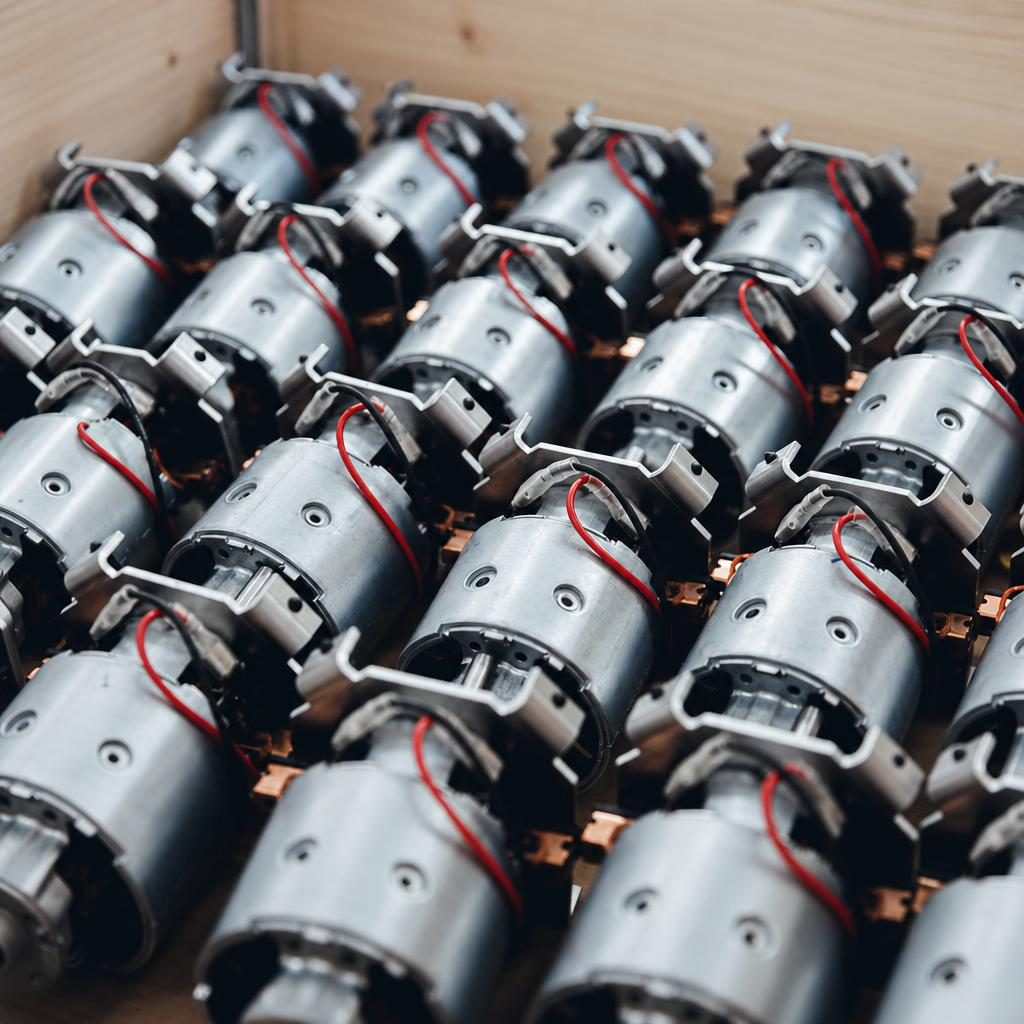
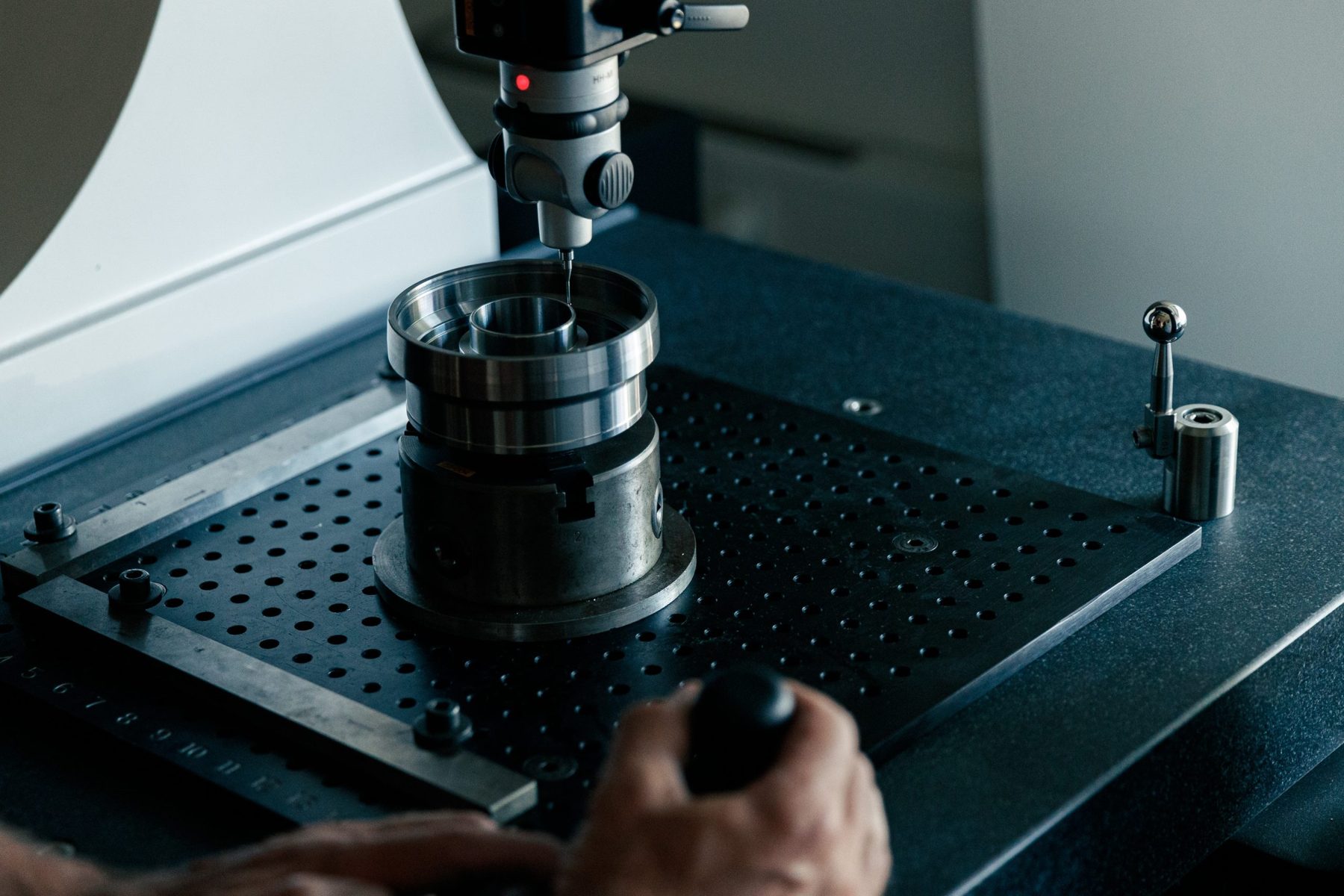
When a treated part returns to us, it undergoes a visual and dimensional inspection before it is released for delivery. Coating thickness is checked where relevant with suitable equipment, and appearance requirements such as colour shade, gloss or texture are assessed against an agreed reference or sample part, so the assessment does not depend on an individual employee's eye.
For customers who require it, we compile a complete documentation package where the inspection report from machining, the delivery note from the treatment partner and the final inspection report accompany each other. That gives a coherent picture of the part's journey from raw material to finished treated component, and makes it possible to trace any deviation back to the step where it arose.
Deviations in the treated part, whether caused by machining or treatment, are recorded in our quality system in the same way as other deviations. That means recurring problems with a particular combination of material and treatment become visible over time, and we can adjust the specification or the choice of partner before the problem grows.
Series and repeat runs of treatment specifications
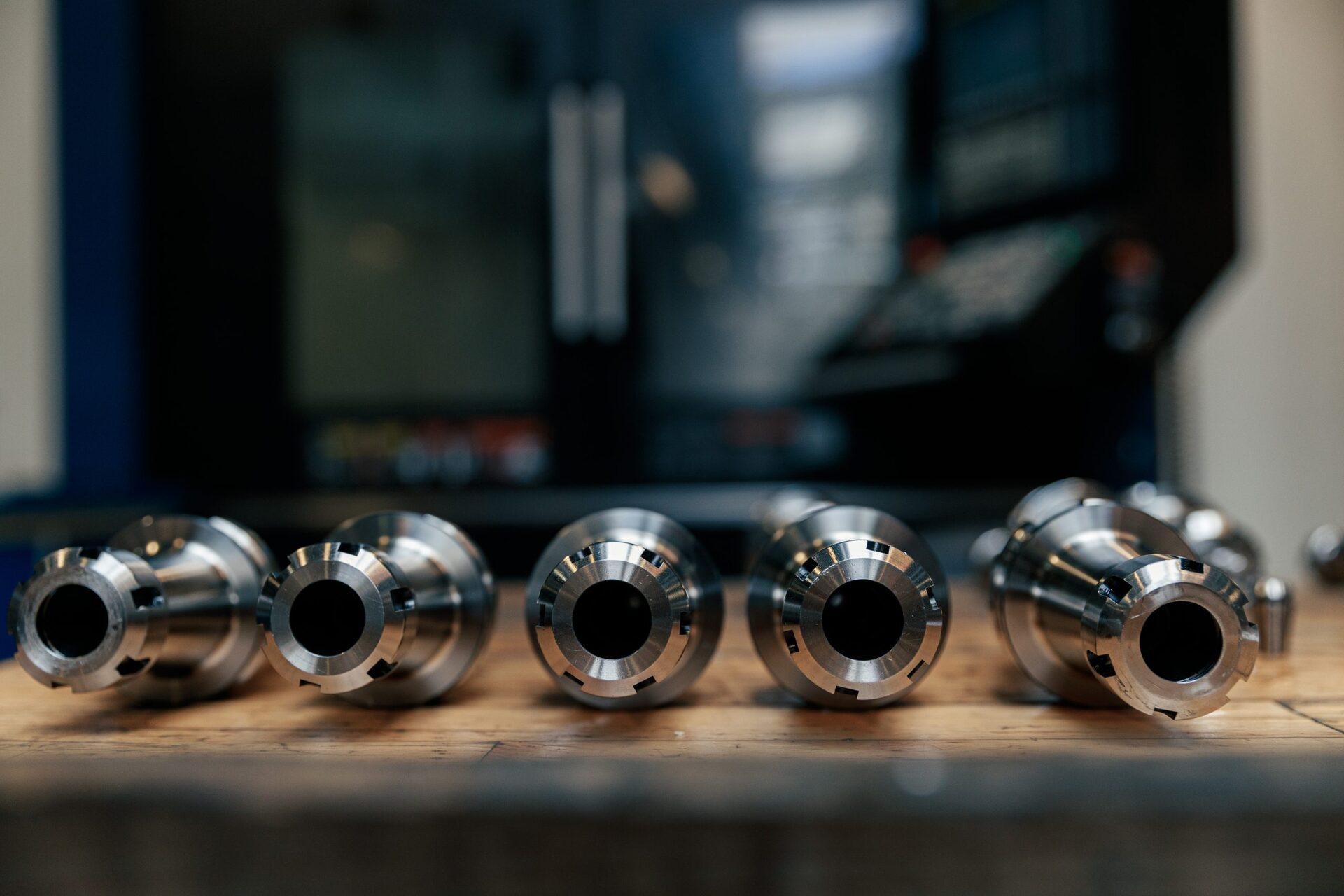
For standing series deliveries, the treatment specification is locked in together with the rest of the production documentation, so a repeat run a year or several years later happens on exactly the same basis as the original delivery. That includes choice of partner, process, coating thickness and any post-treatment, and it is archived together with the drawing, programme and inspection plan.
If a customer wants to change treatment part-way through a series, for example for cost reasons or because of new requirements, it is handled as a formal change with a new trial run and renewed inspection before the new specification goes into operation. We do not recommend changing a working treatment process without a documented transition, even when the change looks small on paper.
For customers with several part types that must all share the same finish, we coordinate treatment across orders so colour shade and texture are consistent, even when the parts are produced at different times. That requires closer planning with the partner, but it is often essential to the customer's own product presentation.
Environmental requirements and material restrictions
Some of our customers operate in industries with requirements on which substances may be part of the surface treatment, for example restrictions on heavy metals or a requirement for REACH and RoHS compliance. We pass that kind of requirement precisely to our treatment partners and obtain the necessary documentation, so the customer can use it in their own product documentation without contacting the partner directly.
For parts used in food, medical or clean-room environments, there is often a requirement that the treatment does not release particles or substances that could contaminate the surroundings. We agree that kind of requirement specifically with the customer and choose treatment and partner accordingly, rather than assuming a standard solution is sufficient.
Where a customer has its own environmental or supplier requirements beyond the law, for example a ban on certain chemicals or a requirement for wastewater handling at the partner, we build that into the choice of partner and into ongoing follow-up. Requirements are documented in writing, so they can be retrieved at a later audit.
Confidentiality around the part's appearance and function
A treated part can reveal more about a product's appearance and function than the untreated detail does, because finish and colour are often part of the customer's own product design. We therefore only pass on the information the treatment partner needs to carry out the job, and we agree with the partner that parts and information are handled confidentially.
Where relevant, we sign a confidentiality agreement with the treatment partner on the customer's behalf ourselves, or let the customer enter a direct agreement if preferred. In all cases, the customer's drawings, specifications and product knowledge remain the customer's property, and neither we nor the partner use them for any purpose beyond the agreed delivery.
We avoid sharing parts that are easily recognisable as belonging to a particular product more widely than necessary within the partner's organisation, and we ask for the same discretion we practise ourselves in our own production. Customers with particular requirements for how their parts are handled and stored at a third party are welcome to raise them, and we pass them on.
Shall we produce something for your company?
Send us your drawing and we will come back with a technical assessment and a quotation. We accept electronic drawings in most formats and treat all material confidentially.