
General industry
Machined parts and assemblies for machine builders, the energy sector, offshore and general industry.
- Breadth in part sizes and materials
- Flexibility across prototypes, pilot runs and large series
- One supplier for machining, surface treatment and assembly
- Reliable delivery performance
Broad capacity under one roof
From small turned parts to heavy cast-iron components up to ø400 mm, combined with assembly and surface treatment via partners, we cover the whole job.
Versatile material expertise
We machine steel, stainless and acid-proof steel, cast iron, aluminium, brass, engineering plastics and composites.
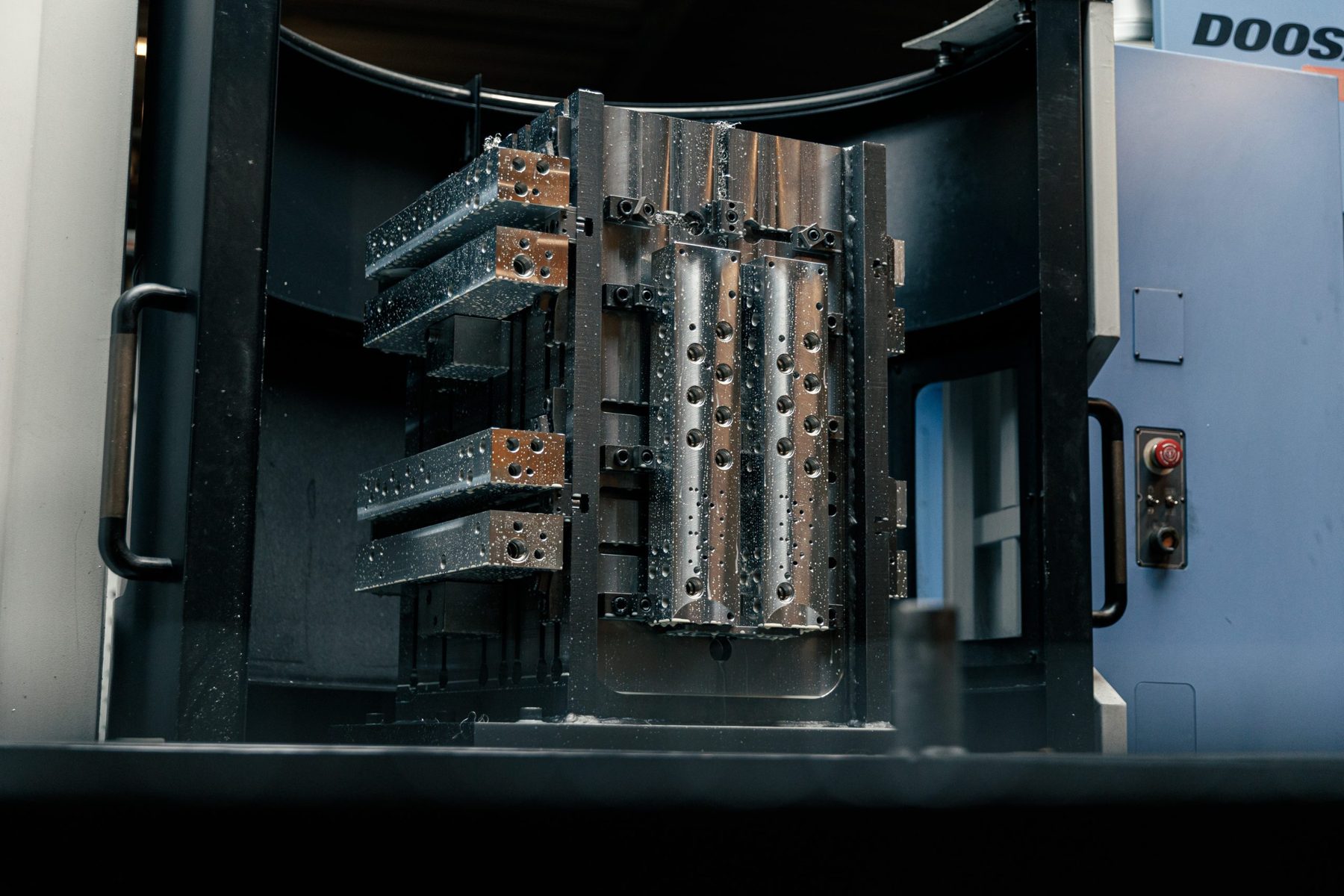
Part types across general industry
Under general industry we group customers who do not belong to a single, heavily regulated sector, but who set equally high requirements for quality and delivery reliability. This spans hydraulic components and pump parts to components for machine building, energy plants, transport equipment and process technology, often with very different requirements for size, material and series size from job to job.
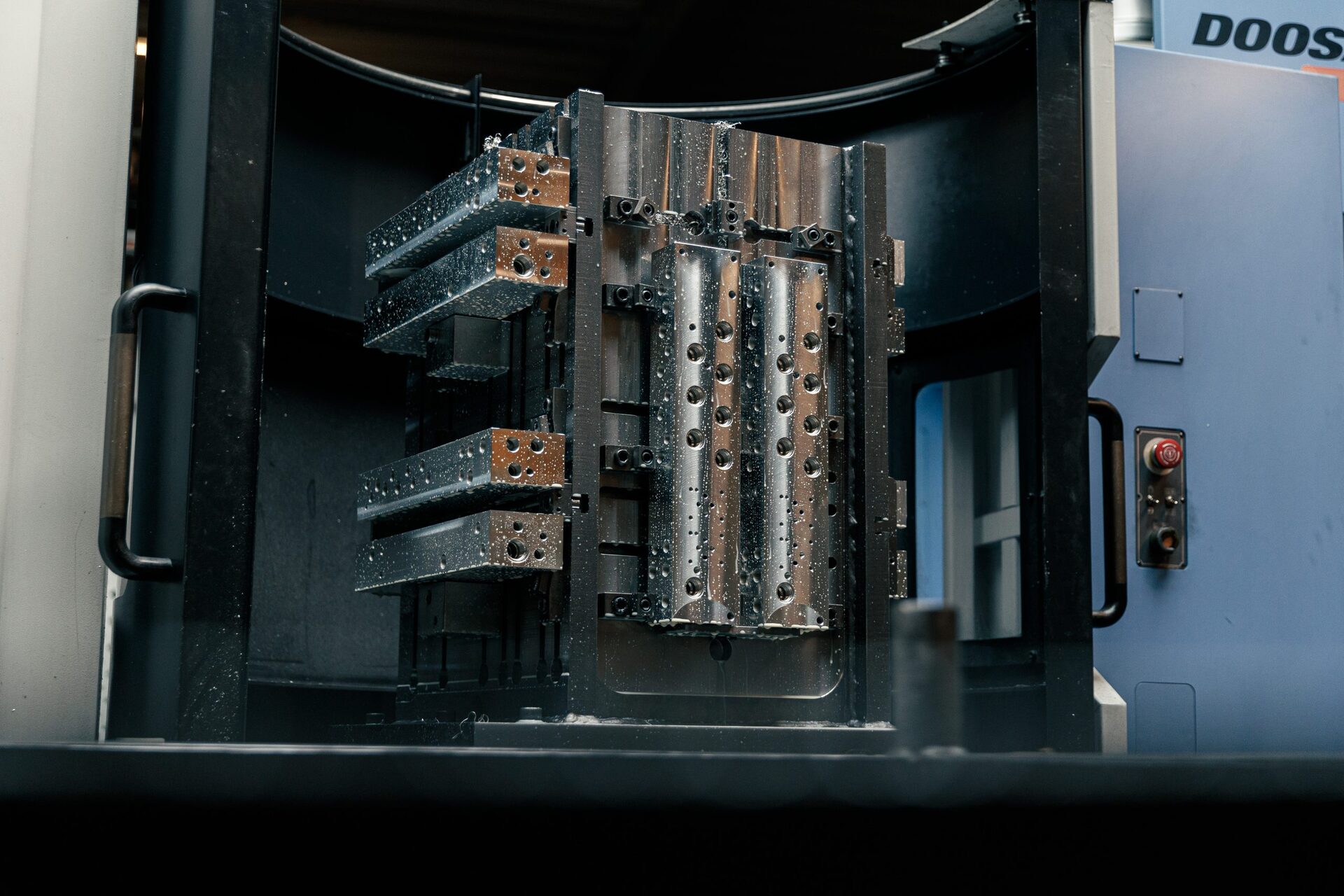
The breadth of job types means we work continuously with parts ranging from quite small, automatically turned components in large numbers to heavy, milled castings in smaller series. That variation demands a lot of our planning, but it also provides a flexibility that means we rarely turn down a job simply because it falls outside a narrow product focus.
Many of these customers have historically used several different subcontractors for different part types. We often find they can consolidate several part types with us, because our machine park covers turning, Swiss-type turning and milling, reducing the number of supplier relationships the customer has to manage.
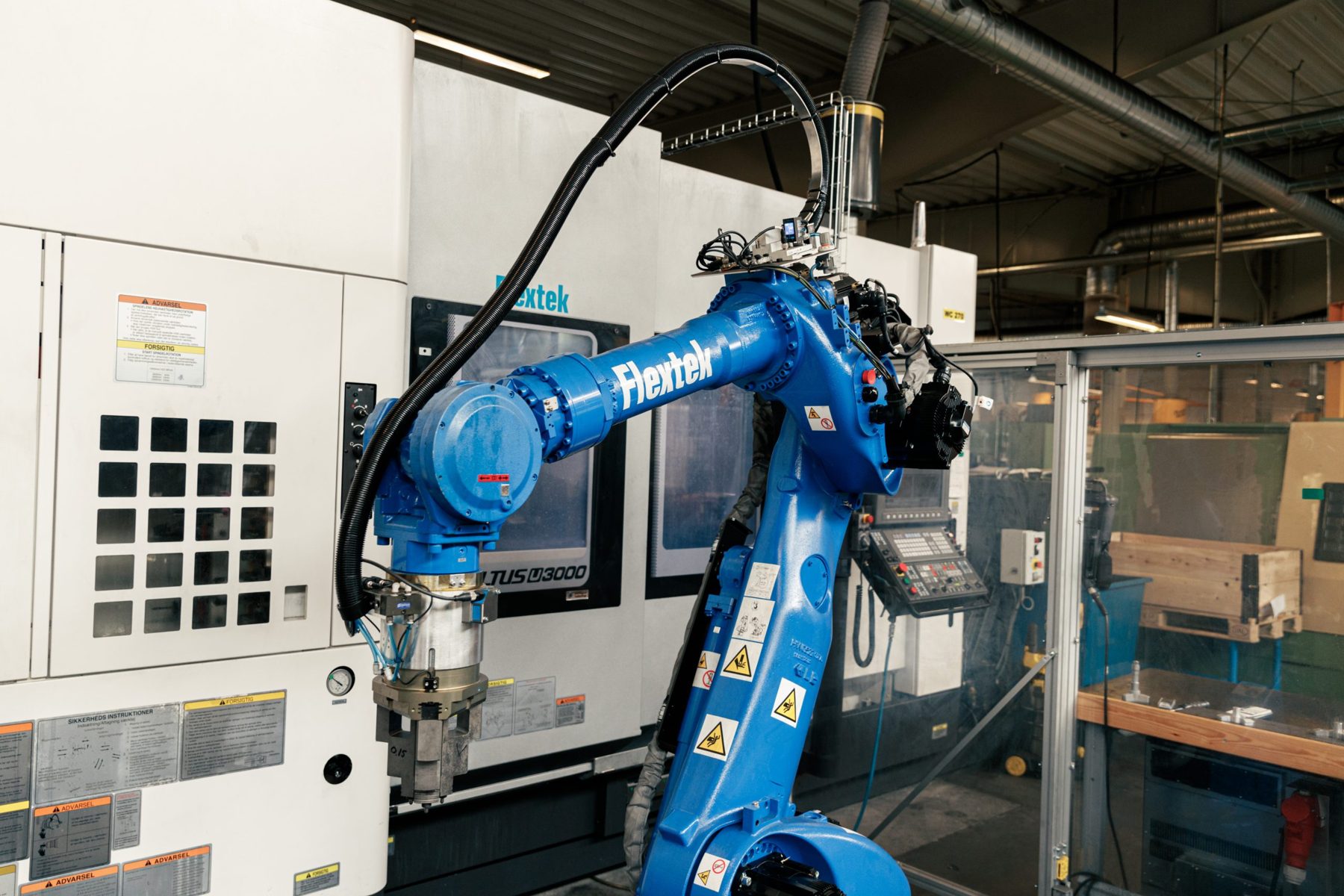
Flexible series size from prototype to large series
General industry often covers a broader range of series sizes than more specialised sectors. We are happy to take on a single prototype for testing, a small zero series for a pilot trial, and a standing large series once the part is mature, without the customer having to change supplier along the way, which often saves time and reduces the risk of misunderstandings between different suppliers.
For customers with seasonal or project-dependent demand, we offer flexible delivery agreements where volume can be adjusted within agreed limits without renegotiating for every single order. That requires ongoing dialogue about expectations, but it gives the customer an agility that is often hard to achieve with a fixed contract at a single, unspecialised supplier.
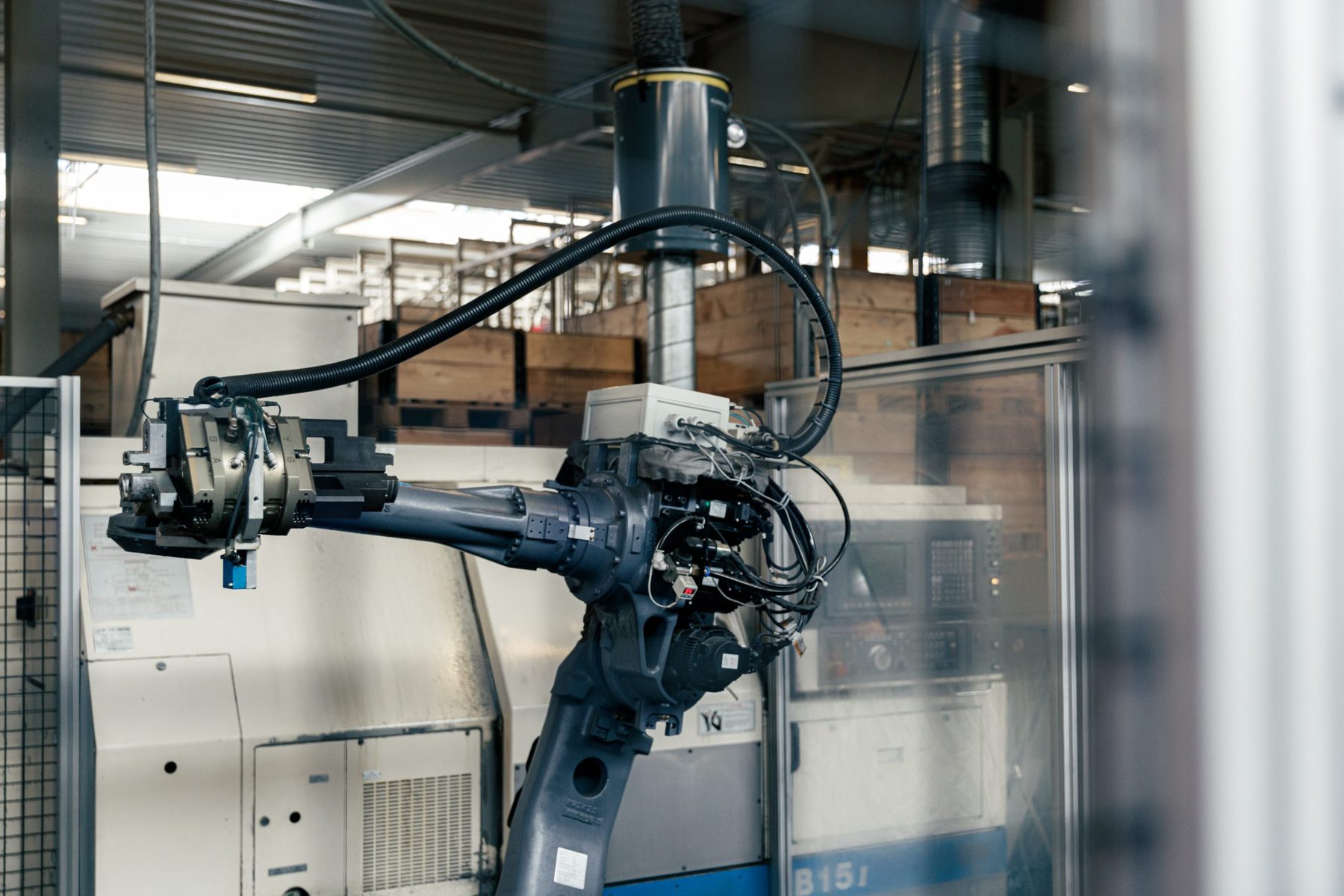
We also advise on when it pays to move a part from a manual or semi-automatic process to a fully automated setup, typically once volume reaches a level where the investment in tooling and fixturing pays for itself. We make that assessment specifically together with the customer, not as a general rule of thumb.
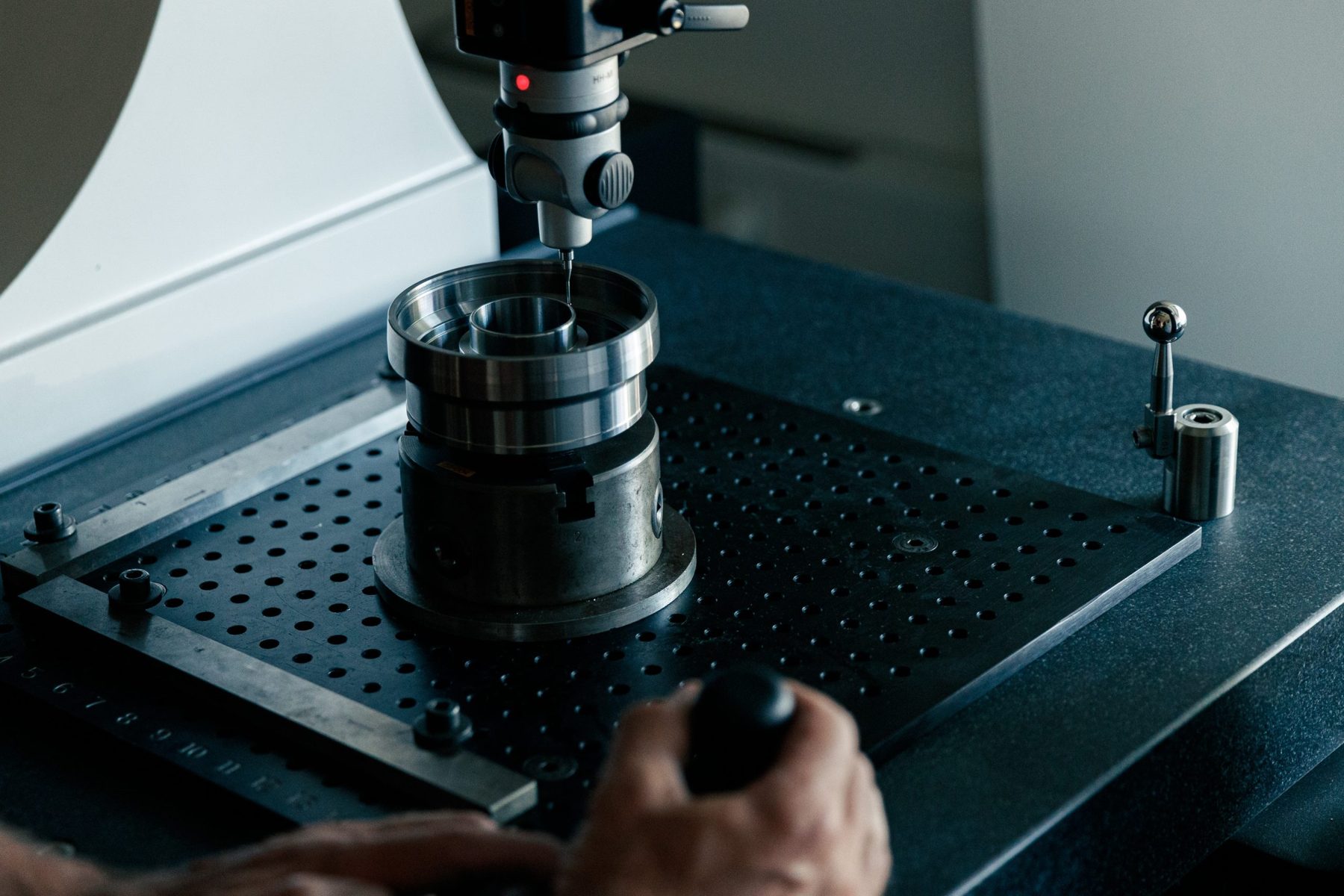
Material advice across applications
Customers in general industry often arrive with a part where material choice was made out of tradition or availability rather than a systematic assessment of function and cost. We are happy to engage in that dialogue and point out where a different material could give a more stable process, a lower unit price or a better functional property, without necessarily requiring a major design change.
Our experience covers structural steel, cast iron, stainless and acid-resistant steel, aluminium, brass, POM, composites and other polymers, and we know the practical differences between materials that otherwise look similar on paper, in terms of chip breaking, heat generation and achievable surface quality. We use that knowledge actively in dialogue with the customer whenever material choice is open.
For components required to function in demanding environments, for example high humidity, chemical exposure or large temperature swings, we advise on which material and possible surface treatment gives the best durability relative to total cost over the part's service life, not just the lowest purchase price.
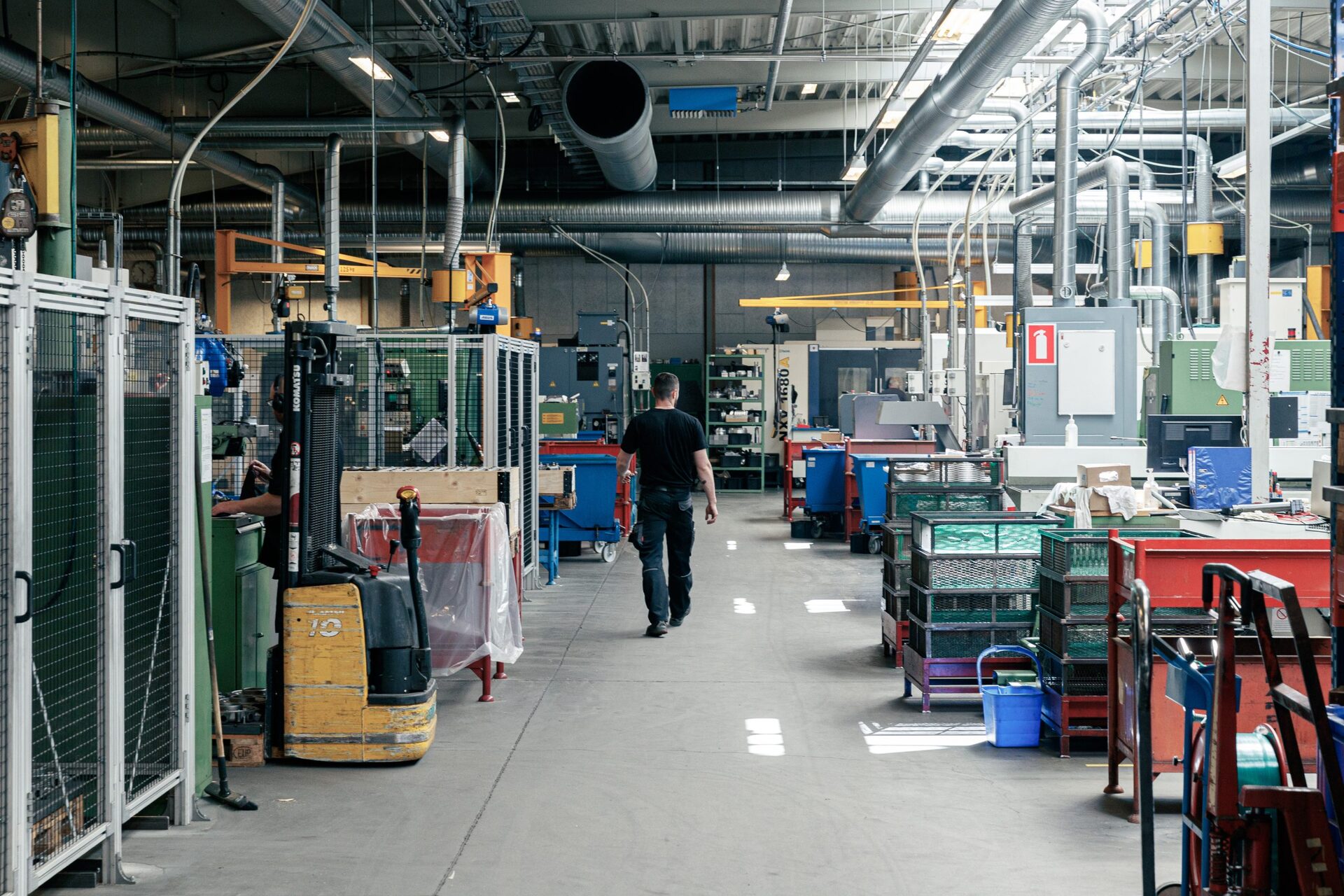
Technical dialogue early in the design phase
We encourage customers in general industry to involve us while a design can still be changed, because that is typically where the most valuable savings are found. A tolerance tighter than the function requires, a radius that forces an extra tool change, or a clamping surface not considered from the start can all make a part unnecessarily expensive without any functional benefit.
That kind of review costs the customer nothing to request, and it only requires the drawing to be shared well before it is finally frozen. We often come back with specific suggestions within a few days, depending on the part's complexity, and the customer always decides whether to incorporate them.
For entirely new parts, where the customer is themselves unsure of the best manufacturing method, we can advise on whether turning, Swiss-type turning or milling is the right choice, based on the part's geometry, material and expected series size. That advice is built on experience from similar work, not a purely theoretical assessment.
- ISO 9001 certified quality management since 2015
- 3D measurement of every part
- Measurement reports and traceability on request
- Material certificates and traceability documentation on request
If you have questions about this content, please contact us at salg@rmfintech.dk.
Delivery formats matched to the customer's own production
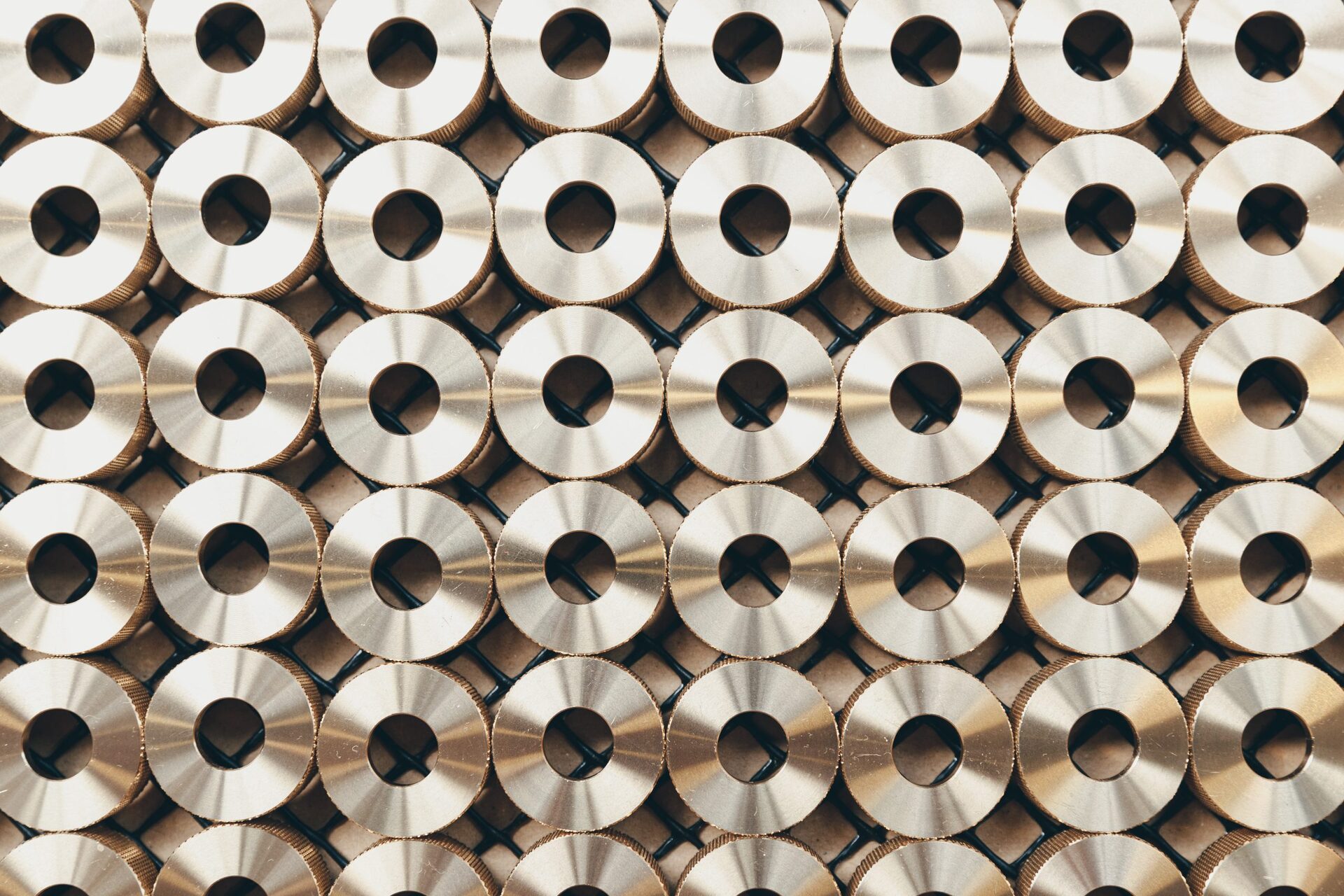
Customers in general industry often have very different requirements for how a delivery should happen, depending on their own production setup. Some want large, infrequent deliveries to their own stock, others prefer frequent, smaller deliveries straight to the production line to minimise their own stock holding. We adapt the delivery format to whatever makes most sense for the customer, rather than insisting on a single fixed model.
Packaging is agreed based on the part's size, weight and any sensitivity to surface damage, from simple cartons with layer separators to purpose-built pallets or crates for heavy or delicate parts. The aim is that the part arrives in the same condition it left us in, regardless of mode of transport and distance.
For customers who want to hold a fixed buffer stock without tying up their own storage space, we offer to hold finished parts in stock at our premises and deliver against agreed call-offs. That gives the customer a steady supply of parts without having to allocate storage space or capital to a large one-off delivery.
Quality requirements without industry-specific regulation
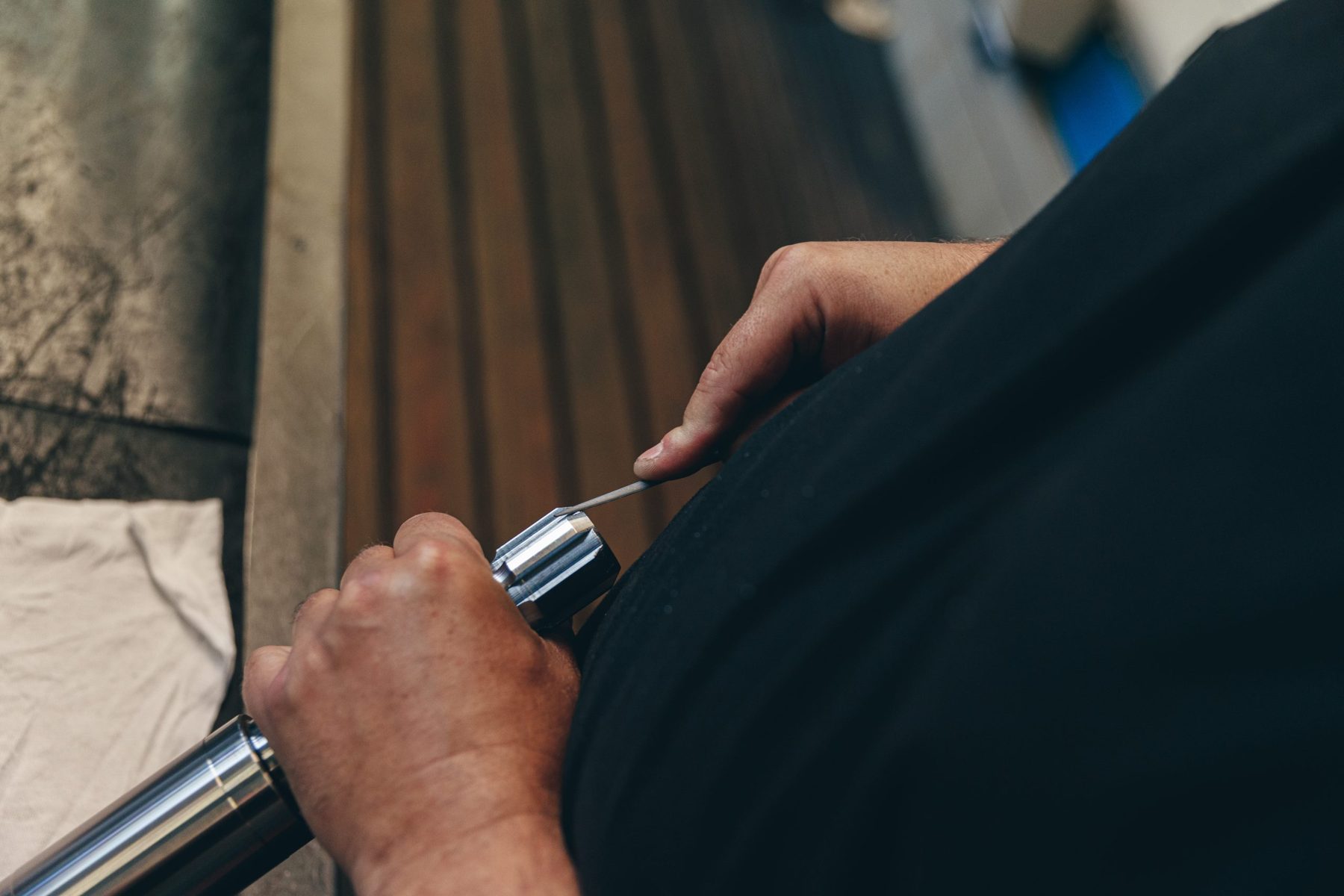
Although general industry is not subject to the same degree of external regulation as, for example, medical or aerospace, that does not mean quality requirements are lower. Many customers in hydraulics, energy and machine building set their own, very specific requirements for tolerances, surface quality and documentation, because the consequence of a defect in their own end product can be significant, even without a formal industry standard behind the requirement.
We adapt the inspection plan and documentation scope to the customer's specific requirements, whether formulated in a formal quality standard or simply agreed directly with the customer. The same underlying quality system, with 3D measurement, traceability and deviation handling, underpins the delivery, regardless of which formal regulation the customer's own industry is subject to.
Where a customer wants a higher level of documentation than strictly necessary for the part's function, we are happy to accommodate it, because it often relates to the customer's own quality management towards their end customers. The scope is agreed specifically, so the customer does not pay for documentation that is not actually used for anything.
Long-term relationships across a broad customer base
Although general industry covers a broad range of sectors and part types, our approach to each customer resembles the long-term partnerships we maintain in more regulated industries. We prioritise understanding the customer's business, not just the individual drawing, because that lets us give relevant advice and plan capacity that matches the customer's actual development over time.
Many of our longest-standing customer relationships fall into this category, precisely because the relationship is not tied to a single contract or a single product, but has developed to cover several part types as the customer's own needs have changed. That kind of development requires us to keep pace in breadth, not just depth within a single job.
We are happy to discuss how a partnership can be expanded over time, for example by consolidating several part types with us, or by including assembly or stockholding as part of the delivery. That development happens at the pace the customer wants, and is never a precondition for maintaining the original agreement.
Shall we produce something for your company?
Send us your drawing and we will come back with a technical assessment and a quotation. We accept electronic drawings in most formats and treat all material confidentially.