
Food and process industry
Components for food plants, process equipment and packaging machinery, where hygienic design, cleanable surfaces and correct material selection are requirements.
- Stainless and acid-resistant steel with documented material quality
- Surfaces and radii that clean without deposits
- No sharp burrs or closed pockets
- Resistance to cleaning chemicals and high temperatures
- Fast re-supply on wear and replacement
Hygienic design in practice
In production, hygienic design comes down to detail: soft transitions instead of sharp corners, surfaces without machining marks that can hold product residue, and joints without gaps. We machine parts so they can be cleaned effectively, and we deburr and finish to the customer's specification.
Stainless and acid-resistant every day
Stainless and acid-resistant steel are among the materials we work with most. We know the cutting data, tooling and cooling conditions that give a clean cut without built-up edge, and that keep the surface consistent through the whole series rather than only on the first parts.
Wear and spare parts on agreement
Process plants have parts that must be replaced regularly. We archive programs and measurement plans and run repeat batches on agreement, so a replacement part is identical to the original and fits without adjustment.
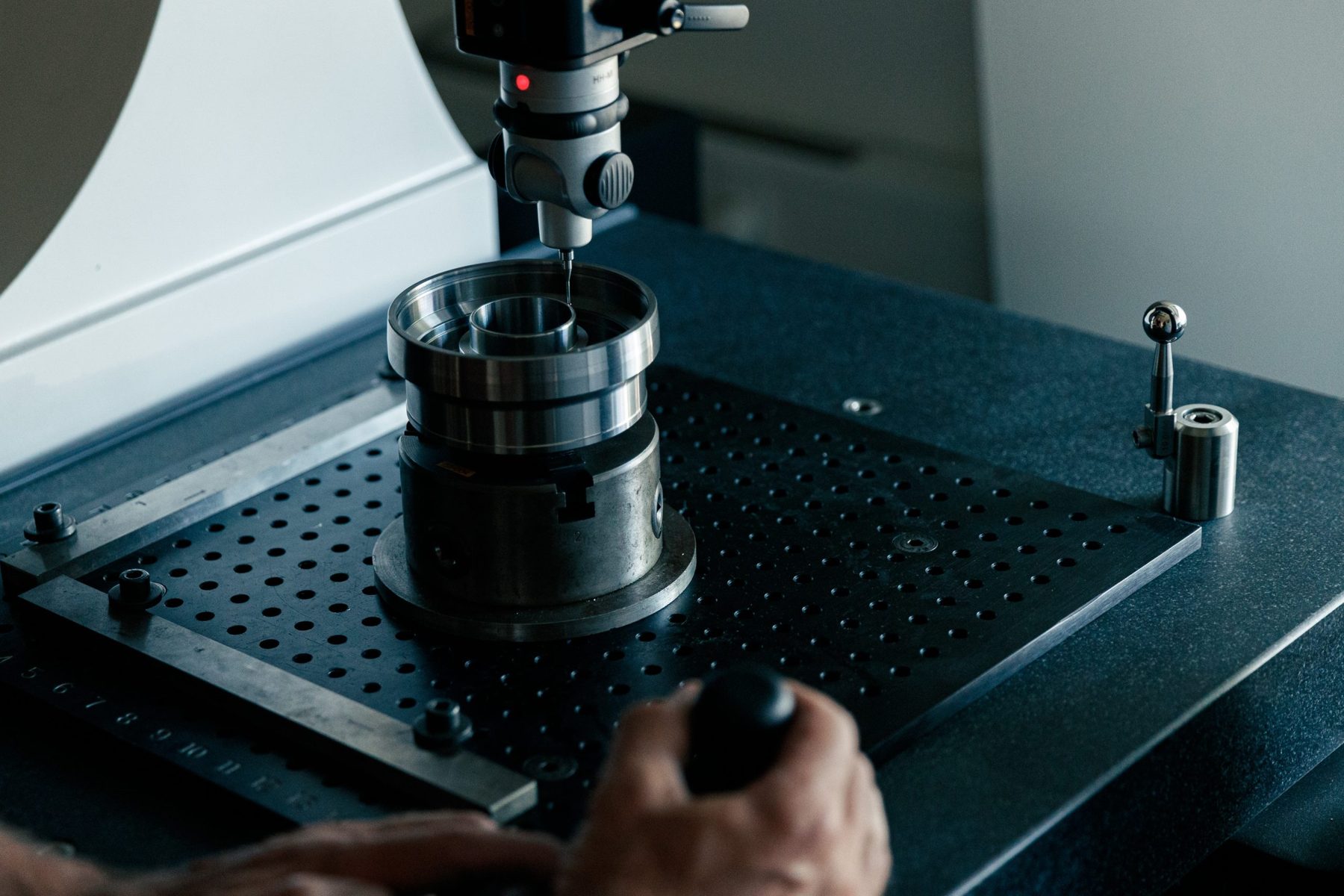
Operating environment of temperature zones and constant moisture
Food plants range from sub-zero cold rooms to steaming process equipment, and components can move between these zones several times a day. We choose materials and fits that keep function stable whether a component sits in a cooling line or next to a heat exchanger, avoiding material combinations that expand differently and create play or binding when temperature changes.
Moisture is a constant factor in food production, not only during cleaning but also from the process itself, with steam, ice and water-based products. We advise on when stainless steel is sufficient and when a more corrosion-resistant acid-resistant grade is needed, based on where in the plant a component sits and which chemicals it is exposed to.
In zones with varying hygiene requirements, from clean to very clean areas, customers often require surface roughness to be documented on specific faces. We measure and document the agreed roughness, so the component can be approved for the hygiene zone it is intended for without a fresh round of testing at the customer's site.
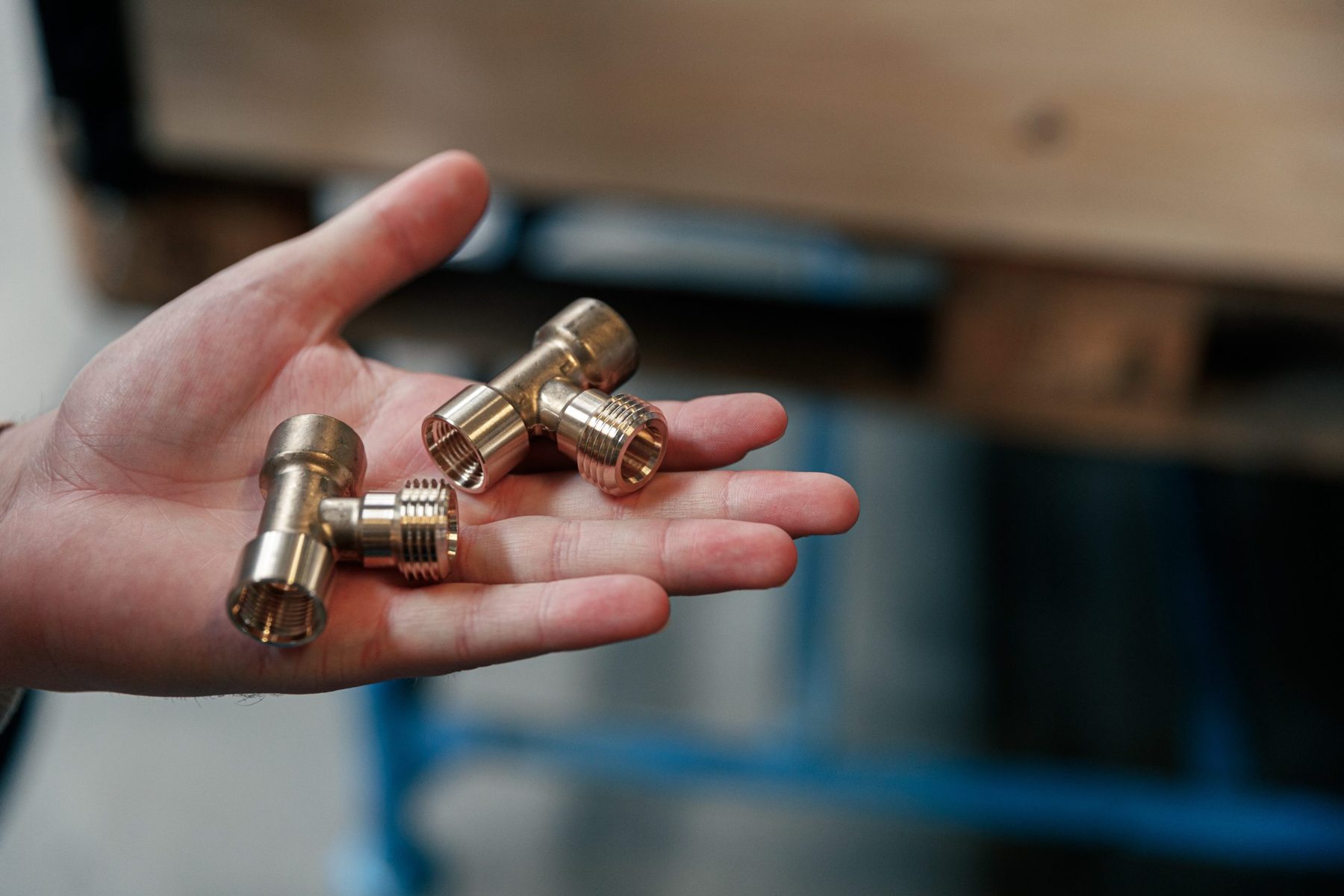
Materials approved for food contact
Components in direct contact with food must be made from materials suited to the purpose, and we machine the stainless steel grades and technical polymers typically used for such contact surfaces. We advise the customer if we see a material callout on a drawing that does not match the actual intended application.
Polymers such as POM and PEEK are often used in dosing and conveying equipment for their sliding properties and low friction against the product. These materials require different cutting data and fixturing than metal, being more sensitive to heat build-up during machining, and we have the experience to hold tolerances in polymers that otherwise move easily after machining.
Surface treatment of stainless steel, such as electropolishing, is used to achieve the low surface roughness hygiene requirements often demand. We coordinate that treatment through established Danish partners and plan the mechanical machining so the subsequent polishing gives the intended result without needing to correct form errors from machining.
Tolerances in dosing and valve technology
Food dosing equipment often requires tight tolerances, because even a small deviation in a valve or nozzle can give a visible difference in the amount of product dispensed. We machine these components to the tolerances that ensure dosing volume is consistent from part to part, and document critical dimensions with measurement reports so the customer's incoming inspection can proceed quickly.
Valves for food processes often need to combine sealing with fast cleanability, which places conflicting demands on geometry: a tight fit without pockets where product residue can settle. We work closely with the customer's engineer on that balance, because the right solution often takes several iterations before both sealing and cleanability are met.
Because dosing equipment often sits in automated production lines where many units must perform alike, we focus on reproducibility over long series. Statistical process control is used to ensure that part number one and part number ten thousand fall within the same tight spread.
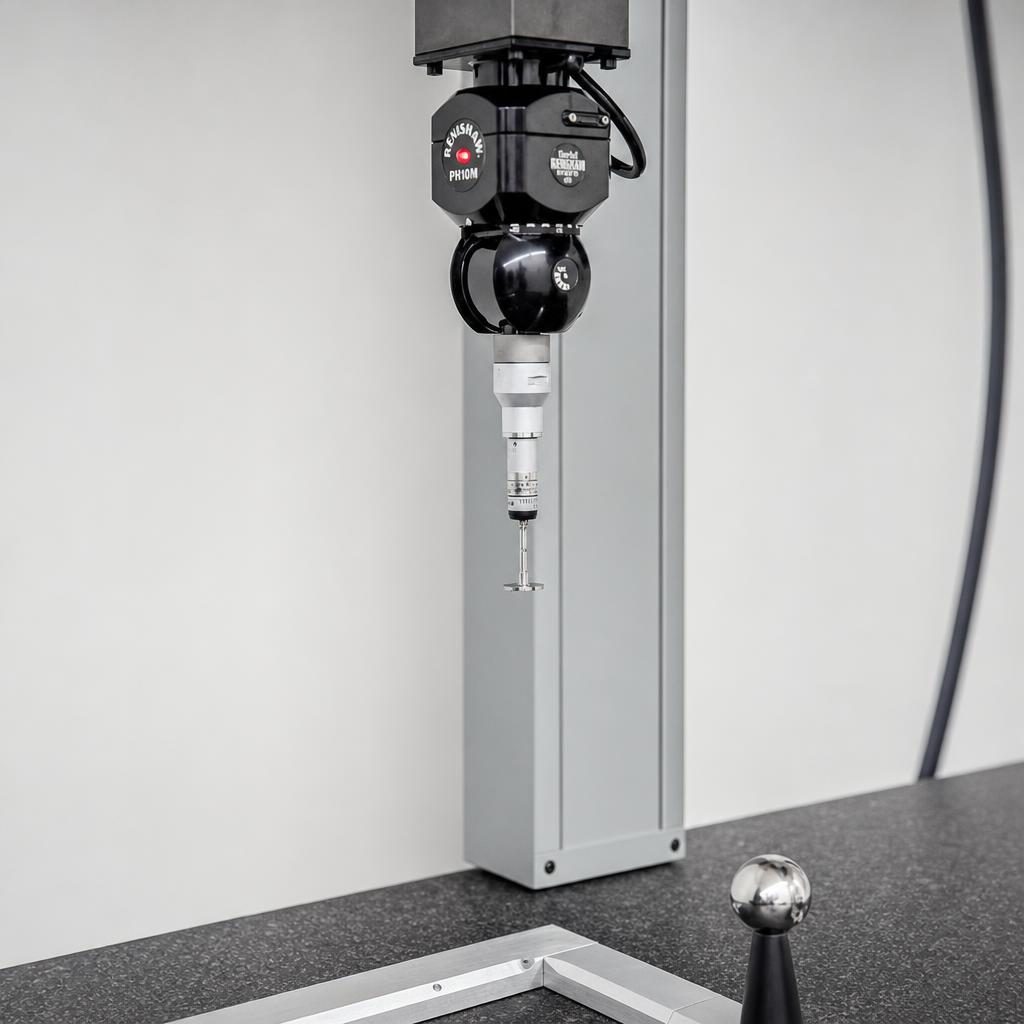
Traceability and documentation for food approvals
Food equipment manufacturers often need to document to authorities and customers which materials were used in equipment that contacts the product. We provide material certificates and batch-level traceability as standard on such components, so the manufacturer can fold our documentation directly into their own approval file without extra correspondence.
In a recall in the food industry, fast traceability is essential for narrowing down which machines and which production periods are affected. Because we record which material batch and which production order a given component came from, we can quickly help with that narrowing if a customer needs it.
We tailor the documentation level to a component's role in the plant. A surface in direct product contact is documented more thoroughly than an external bracket, and that is agreed specifically with the customer for the scope of the given order.
- ISO 9001 certified quality management since 2015
- 3D measurement of parts and measurement reports as documentation
- Traceability at batch and part level
- Material documentation for stainless and acid-resistant grades by agreement
If you have questions about this content, please contact us at salg@rmfintech.dk.
Confidentiality around recipes and machine concepts
Food producers' process equipment often reveals more about their recipes and production methods than they wish to share widely. A drawing of a dosing unit can reveal how a product is composed, and we treat such material with the same confidentiality as a patent application, whether or not a formal NDA has been signed.
We are happy to sign a confidentiality agreement before drawings are sent, storing customer material encrypted with role-based access internally. Only staff working directly on the task see the drawings, and files are deleted or archived by agreement once the job is complete.
We never reuse a customer's specific solution on another job, not even when two food industry customers compete on the same products. That strict separation between customers' work is a precondition for us being able to work for several players in the same part of the industry.
Shall we produce something for your company?
Send us your drawing and we will come back with a technical assessment and a quotation. We accept electronic drawings in most formats and treat all material confidentially.