
Energy and wind power
Components for wind turbines, energy plants, substations and electrification, where service life, documentation and reliability are decisive.
- Long service life without easy access for maintenance
- Documented material quality and traceability
- Accurate mating faces for bearings, seals and bolted joints
- Stable quality across long production runs
- Capacity for both prototypes and large framework agreements
Parts that cannot easily be serviced
A part inside a turbine nacelle or an energy plant must work for many years in a place where service is expensive and difficult. We machine bearing housings, flanges, shafts, coupling parts and brackets with the mating faces and tolerances that make the joint fit correctly at first assembly, and we document the result with a measurement report per delivery.
Materials and processes for demanding environments
We work in structural steel, stainless and acid-resistant steel, aluminium and bronze alloys, and we coordinate surface treatment such as delta coating, nickel plating, anodising, painting and hardening through established Danish partners. The customer receives a finished component rather than a semi-finished part that still needs another supplier.
Documentation that survives an audit
The energy sector works with long warranty periods and thorough supplier control. Our quality system is built to show what was produced when, from which material, measured how and by whom. That turns a supplier audit into a review of existing documentation rather than an investigation.
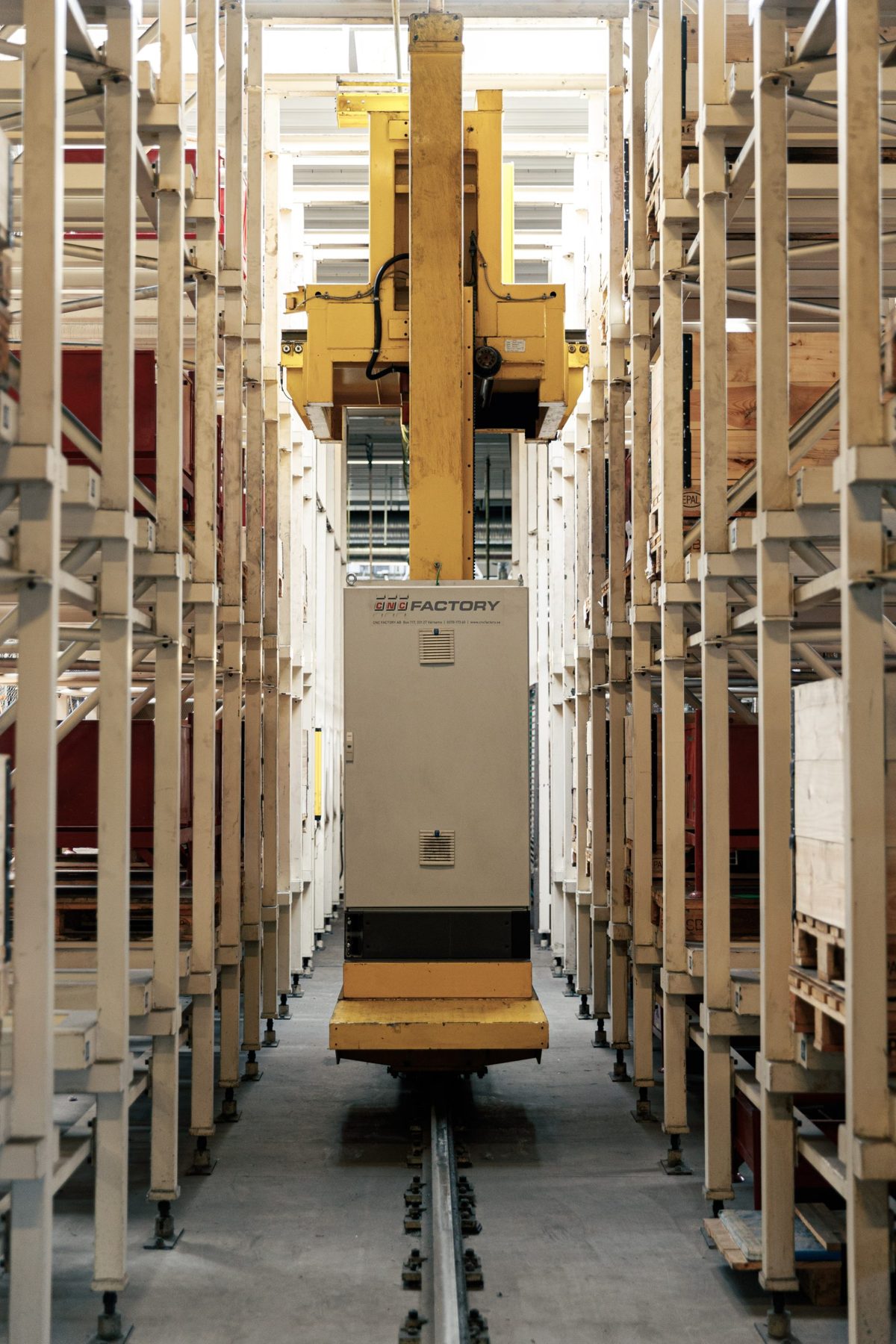
Operating environment from turbine tower to offshore platform
Components for the energy sector must work in everything from the steady but humid climate inside a wind turbine tower to the salt-laden, temperature-cycling air on an offshore platform. We choose material and surface treatment based on the specific environment a component will operate in, rather than applying one standard solution to every job, because that decision determines whether the component lasts ten years or thirty.
Vibration in a wind turbine is constant and prolonged rather than sudden, which places different demands on thread and fit design than machines with occasional load peaks. We machine locking geometries and thread tolerances so preload holds through decades of micro-movement, and coordinate with the customer's engineer if we spot a detail that could cause problems over time.
For components in or near seawater, we choose materials proven in similar environments and avoid material combinations that cause galvanic corrosion where two metals meet. That kind of detail is cheap to fix on the drawing and expensive to fix once the component is already up in the tower.
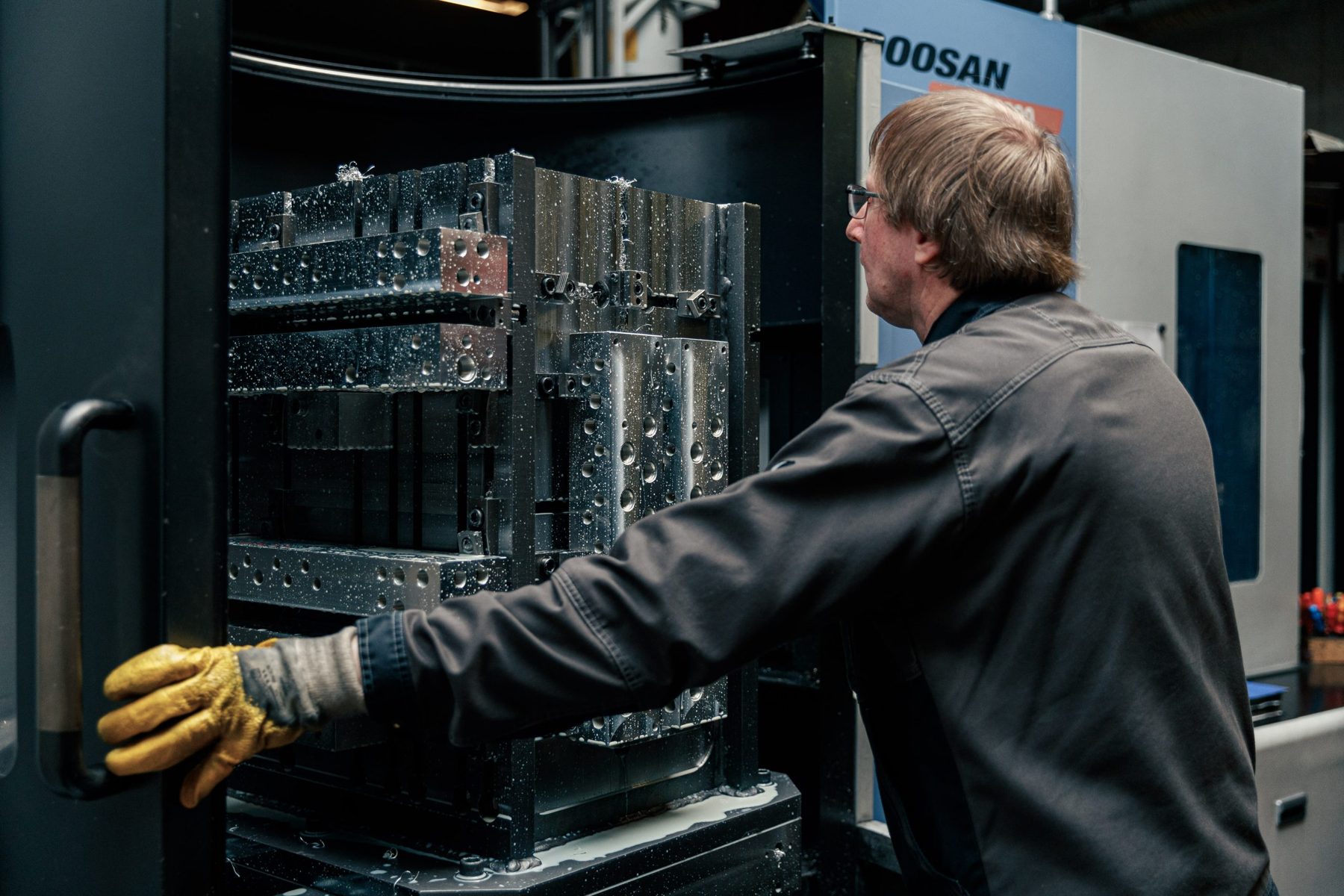
Materials for high strength and low weight
The energy sector increasingly demands components that combine high strength with low weight, particularly in nacelle components and transportable units for solar and battery installations, where every kilogram affects installation and transport. We machine high-strength aluminium and alloy steels and advise where it makes sense to change material to save weight without compromising the structural strength a component must deliver throughout its life.
Duplex and acid-resistant steel are used where the corrosion environment requires it, and we know the cutting data that give a clean cut in these tougher materials without overheating the part or leaving stresses that later release as deformation. That is a balance that requires experience with these specific alloys, not just general turning experience.
Material certificates come as standard on load-bearing components in the energy sector, because neither customer nor authority accepts a material choice that cannot be documented. We archive the certificates together with production data, so they can be retrieved if a component needs to be re-verified years later as part of a life-extension assessment.
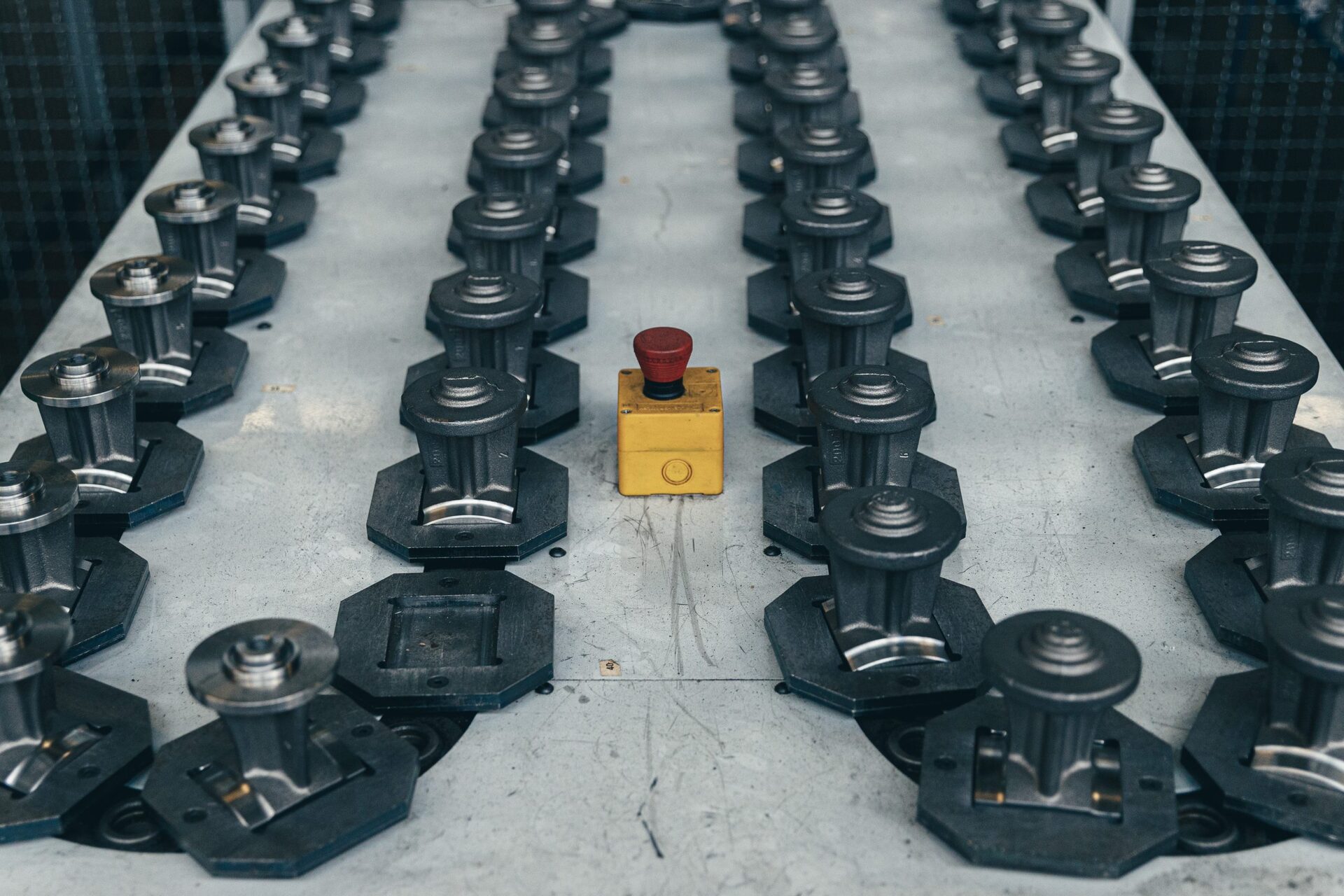
Tolerances on large, load-bearing parts
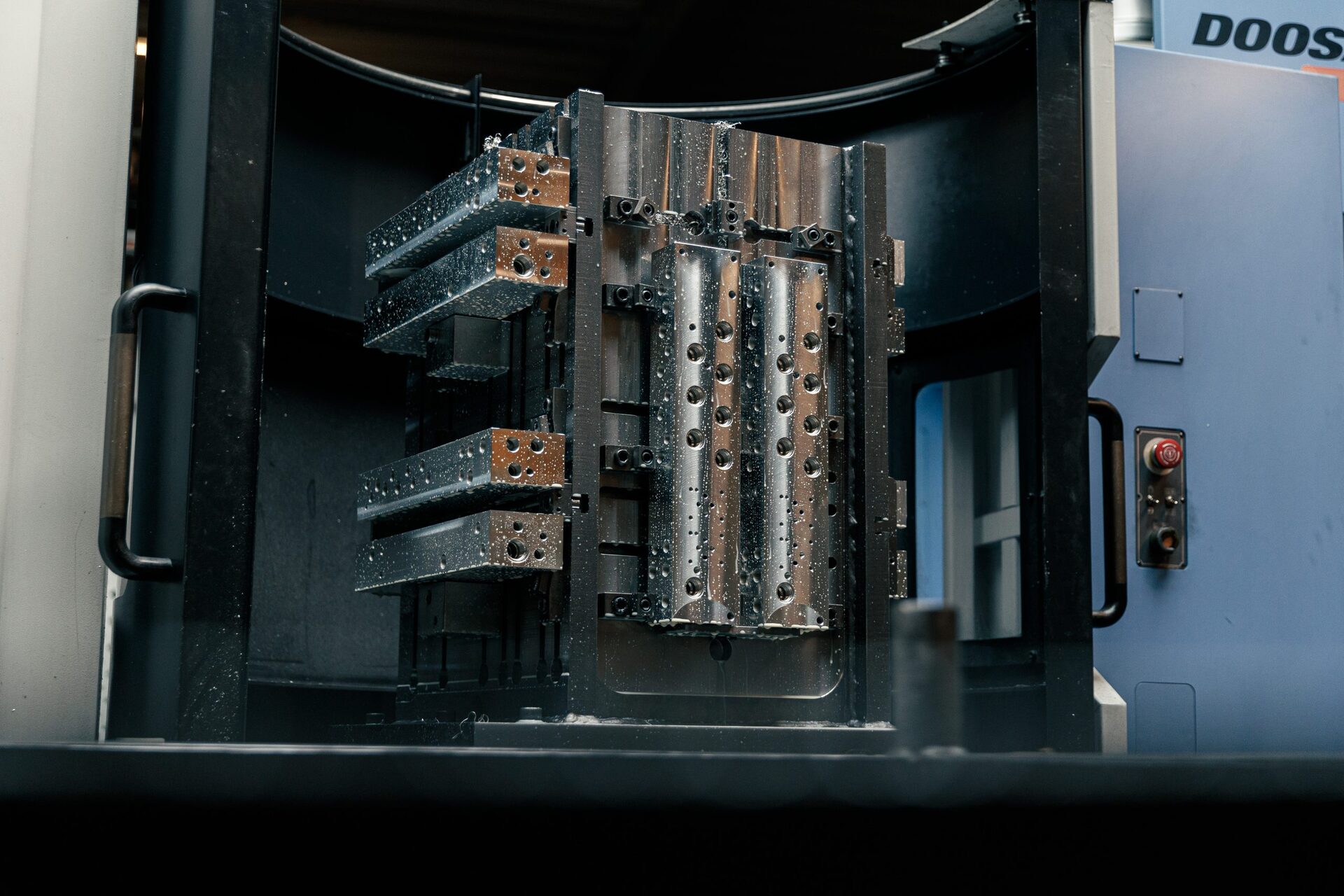
Many energy components are large and heavy, such as bearing housings, flange joints and transmission parts, yet must still hold tight tolerances on mating faces and bores. We turn up to ø400 mm and mill on horizontal centres with large pallets, meaning we can hold tolerances on a large part just as tightly as on a small one, rather than letting size become an excuse for relaxed requirements.
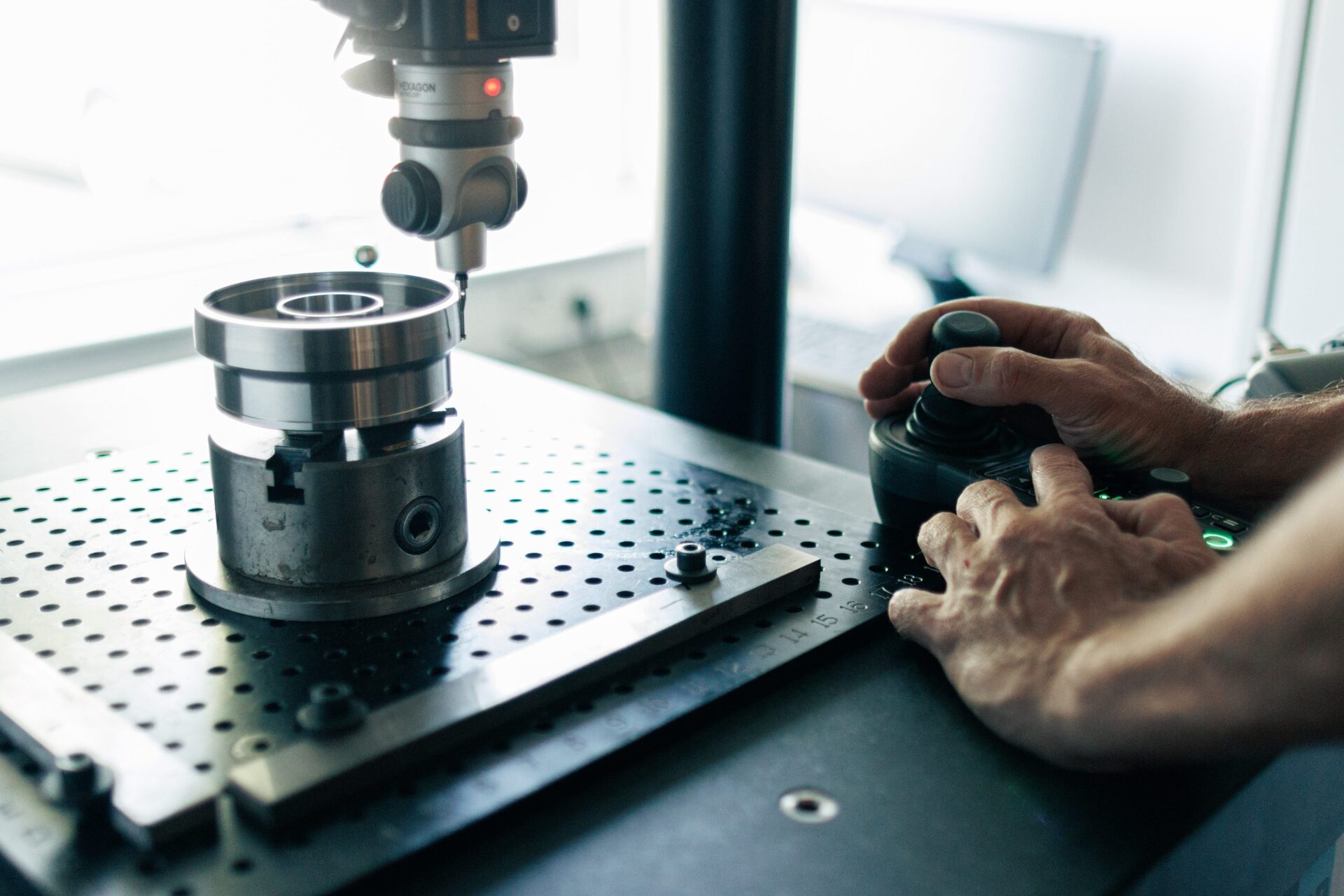
Flange joints connecting large pipe systems or tower sections require flatness and angularity tolerances that ensure preload is distributed evenly across the bolt pattern. A skewed flange gives uneven bolt loading that can fatigue the joint over time. We measure flatness and perpendicularity on 3D equipment and document the result on critical faces.
For series of identical components going to multiple towers or platforms, we use statistical process control to catch gradual process drift before it becomes a problem. It is cheaper to adjust a machine after the fifth part than to discover a deviation once a hundred parts have already been delivered to site.
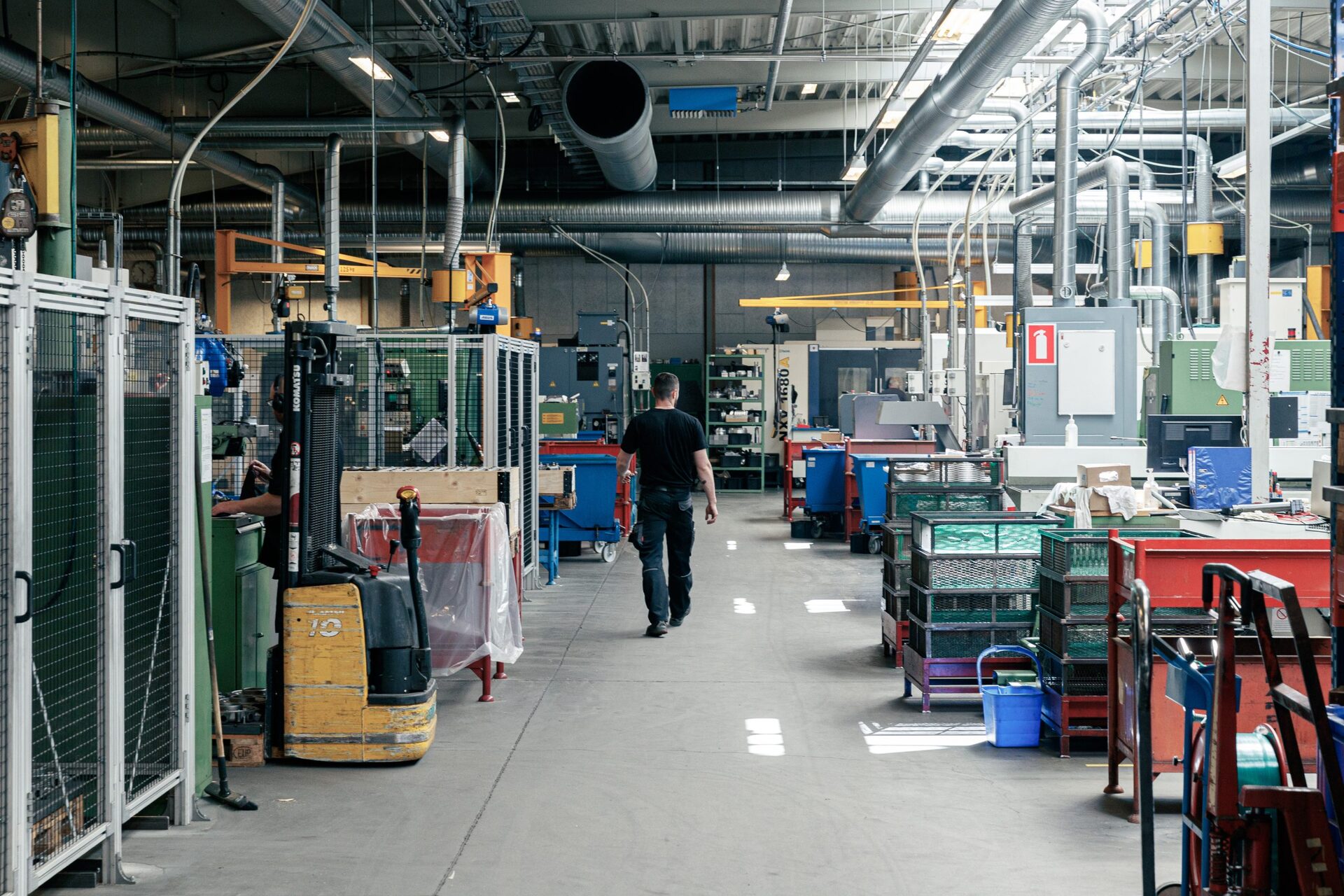
Documentation through a component's entire service life
A wind turbine or energy plant operates for decades, and authorities or insurers may, many years later, ask for documentation of how a given component was made and inspected. Our quality system links material certificate, process and measurement report at batch and part level, so that documentation can be retrieved whether the request comes two or twenty years after delivery.
In life-extension and retrofit projects, where existing plant is upgraded or refurbished, it is often exactly this historical documentation that decides whether a component can be reused or must be replaced. We are happy to help retrieve the original production basis if a customer needs it for such an assessment.
We tailor the documentation scope to a component's criticality. A load-bearing drivetrain part requires full traceability and measurement reports on all critical dimensions, while a minor, non-structural part can be documented more simply, and that is agreed specifically per project so resources match the actual risk.
- ISO 9001 certified quality management since 2015
- 3D measurement of parts and measurement reports as documentation
- Traceability at batch and part level
- Material certificates by agreement in each delivery
If you have questions about this content, please contact us at salg@rmfintech.dk.
Confidentiality in consortia and development projects
Development of new energy technologies often happens in consortia with several parties, where competitors simultaneously collaborate on individual sub-projects. That places particular demands on how we handle drawings and specifications, because material from one customer must never cross over to another, even when both work in the same technology area and may even approach us at the same time.
We segregate access internally so a project team only sees material belonging to their own task, and we sign confidentiality agreements tailored to the consortium's own requirements when necessary. Files are stored encrypted, and physical drawings and sample parts are kept locked between setups.
We have experience working under the heightened confidentiality demands that come with early-stage development projects, where the very existence of a project may be confidential. In those cases we agree communication methods and documentation so nothing leaks via an invoice, a packing list or ordinary email correspondence.
Shall we produce something for your company?
Send us your drawing and we will come back with a technical assessment and a quotation. We accept electronic drawings in most formats and treat all material confidentially.