
Marine and offshore
Machined components for marine equipment, propulsion, deck machinery and offshore installations, where salt water and constant load set the agenda.
- Corrosion resistance in salt water and humid environments
- Material selection in acid-resistant steel, bronze and special alloys
- High reliability far from workshops and service
- Documented material traceability
- Fast single parts in case of breakdown and repair
Materials that handle water and salt
We machine acid-resistant steel, duplex grades, bronze and aluminium for components working in or near salt water. These materials are tough to machine and require the right tools, cutting data and cooling conditions, and that process knowledge is exactly what our setters have built up over many years with demanding materials.
Single parts when the ship is idle
A ship in port costs money by the hour. We handle single parts and urgent jobs alongside series production, and because programming, machining, assembly and measurement sit under one roof, we can take a drawing from receipt to finished part without waiting for external links.
Series for equipment manufacturers
For manufacturers of pumps, winches, valves and deck machinery we run ongoing series on automated setups with agreed call-offs. Combining series production with urgent repair capacity means one supplier can cover both the planned and the unplanned part of the demand.
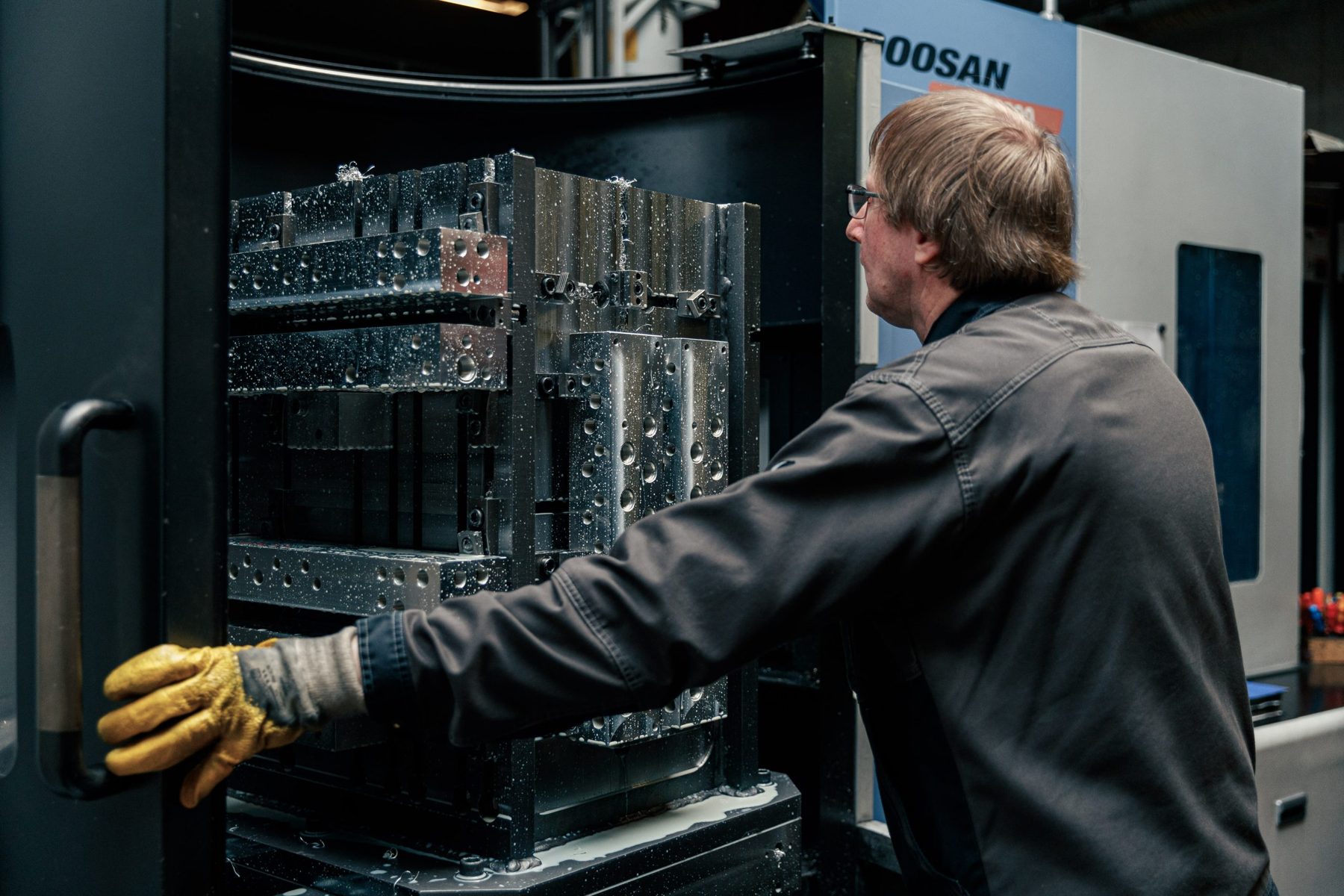
Operating environment of vibration, ice and temperature swings
A vessel subjects its components to a combination of constant vibration from the propulsion system, temperature swings from engine room to deck and, in northern waters, ice and frost that place their own demands on material choice. We account for the combined load when selecting tolerance class and surface treatment, rather than considering only the single static dimension on the drawing.
Vibration from the engine and propeller shaft can, over time, loosen threaded joints that were otherwise correctly tightened. We machine locking threads and counter-faces that resist self-loosening and coordinate with the customer's engineer on which locking method suits a given joint, because the right solution varies with where on the vessel the component sits.
In cold waters, low-temperature toughness becomes part of the specification, not just strength at room temperature. We choose and document materials proven at the relevant temperatures, so a component that performs perfectly in summer does not become brittle and crack on a freezing winter night.
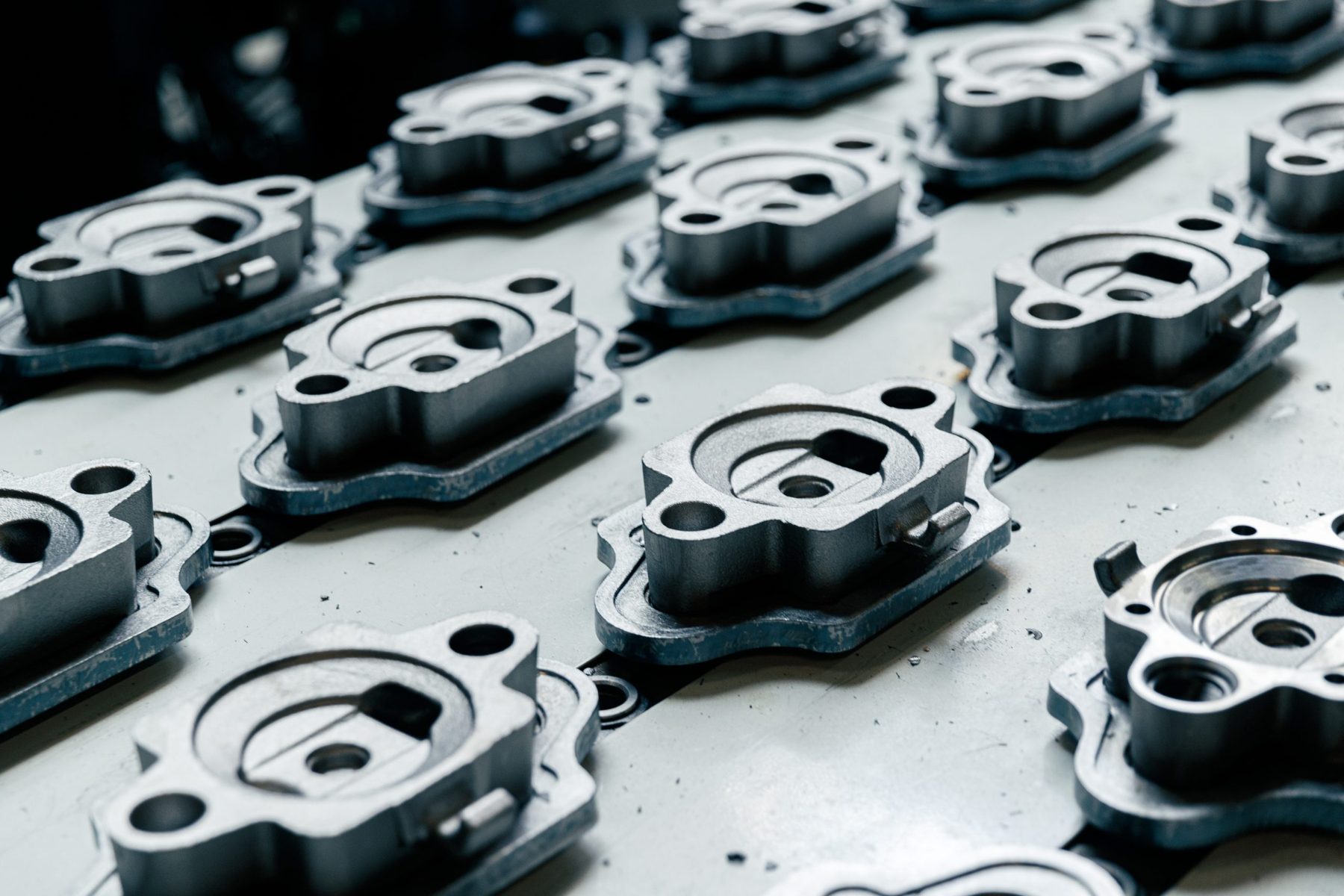
Choosing between bronze, duplex and aluminium
The choice between bronze, duplex, acid-resistant steel and aluminium determines not only corrosion resistance but also weight, price and machinability, and we advise on which material gives the best balance for a given component. A pump housing in constant contact with seawater often calls for bronze or duplex, while a superstructure part above the waterline can use a cheaper solution without compromising service life.
Bronze is a demanding material to machine correctly, because it behaves differently from steel under the cutting edge, and the wrong cutting data quickly produce a rough surface or excessive tool wear. We know the cutting data that give a clean, bright cut in marine bronze, which means fewer finishing steps and a more consistent surface throughout the series.
Aluminium is used where weight matters, for instance in high-speed vessels and components above the waterline, but requires its own attention to galvanic corrosion when fitted alongside other metals. We advise on isolation solutions and surface treatment that prevent an otherwise correct material choice being undone by a wrong fitting detail.
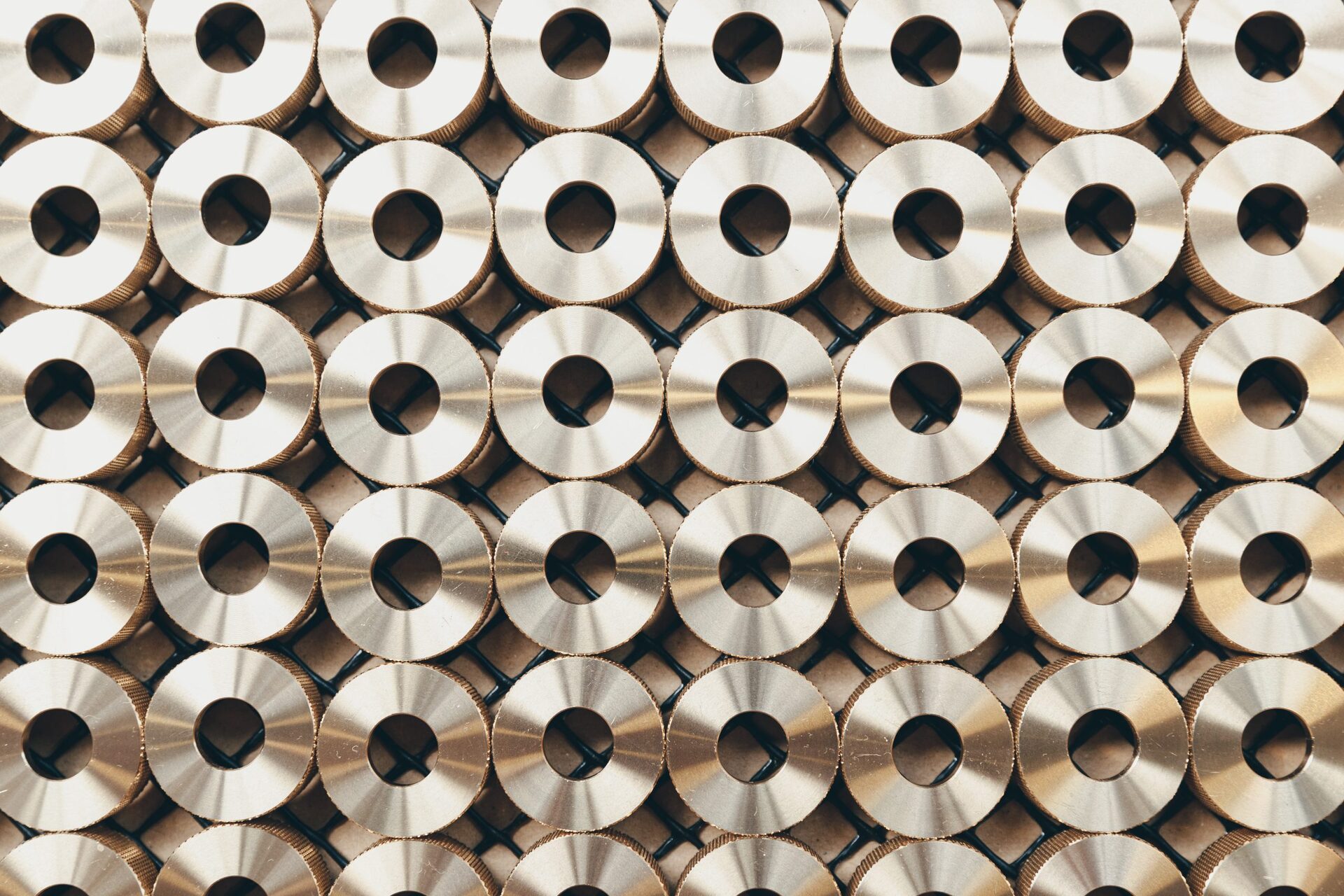
Tolerances on shafts, steering systems and pump parts
Propeller shafts, steering systems and pump components require tight fits, because even a small inaccuracy here causes vibration, noise or reduced efficiency that is expensive and awkward to correct at sea. We machine these parts to the roundness, cylindricity and surface finish needed for bearings and seals to work as intended from the first day in service.
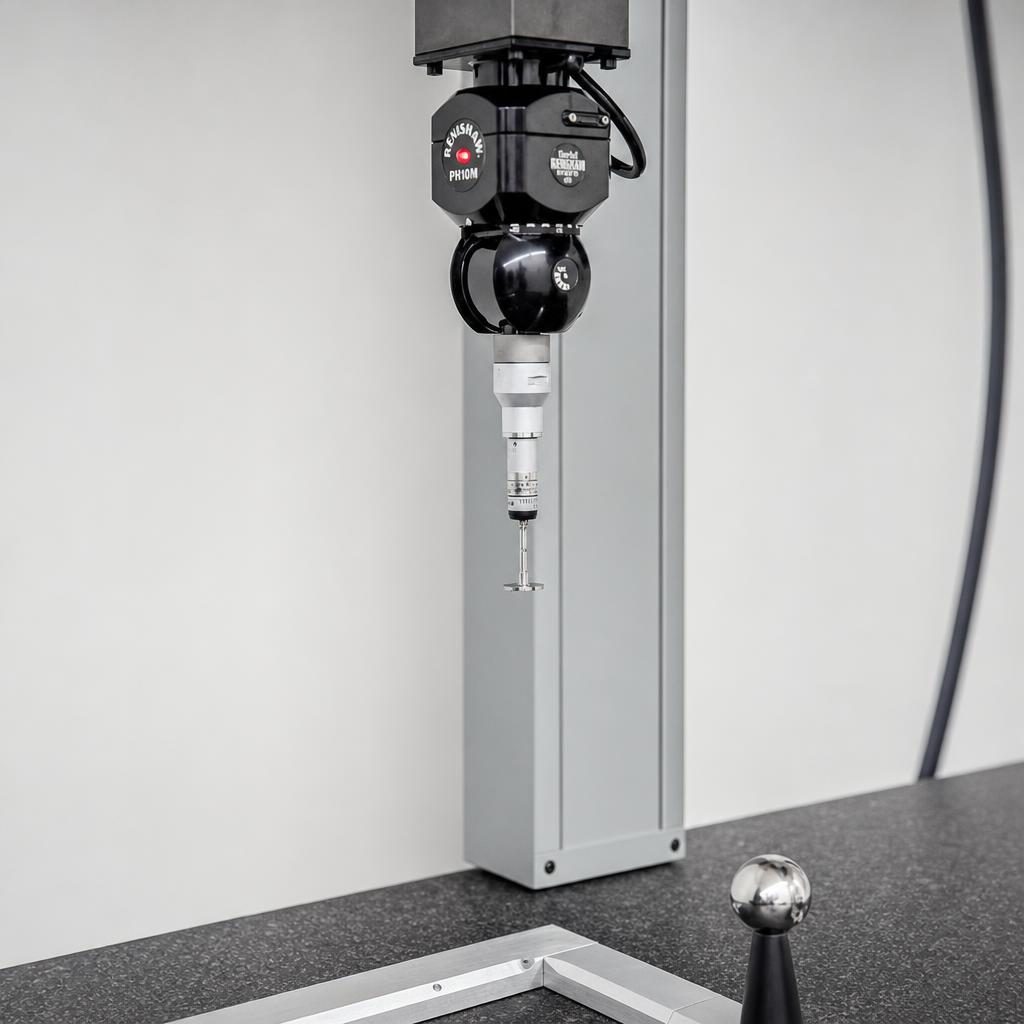
Because many marine components must fit into existing systems, often assembled from several different original suppliers, we focus on measuring against the actual functional dimension rather than only a general tolerance class. That means a replacement part fits even when the original system is made up of components never drawn to match each other exactly.
On critical rotating parts we document balancing and roundness with a measurement report, because imbalance in a shaft part is amplified at high rotational speeds and can cause damage far from the component itself. That documentation travels with the delivery, so the customer's own quality check can be completed quickly without re-measurement.
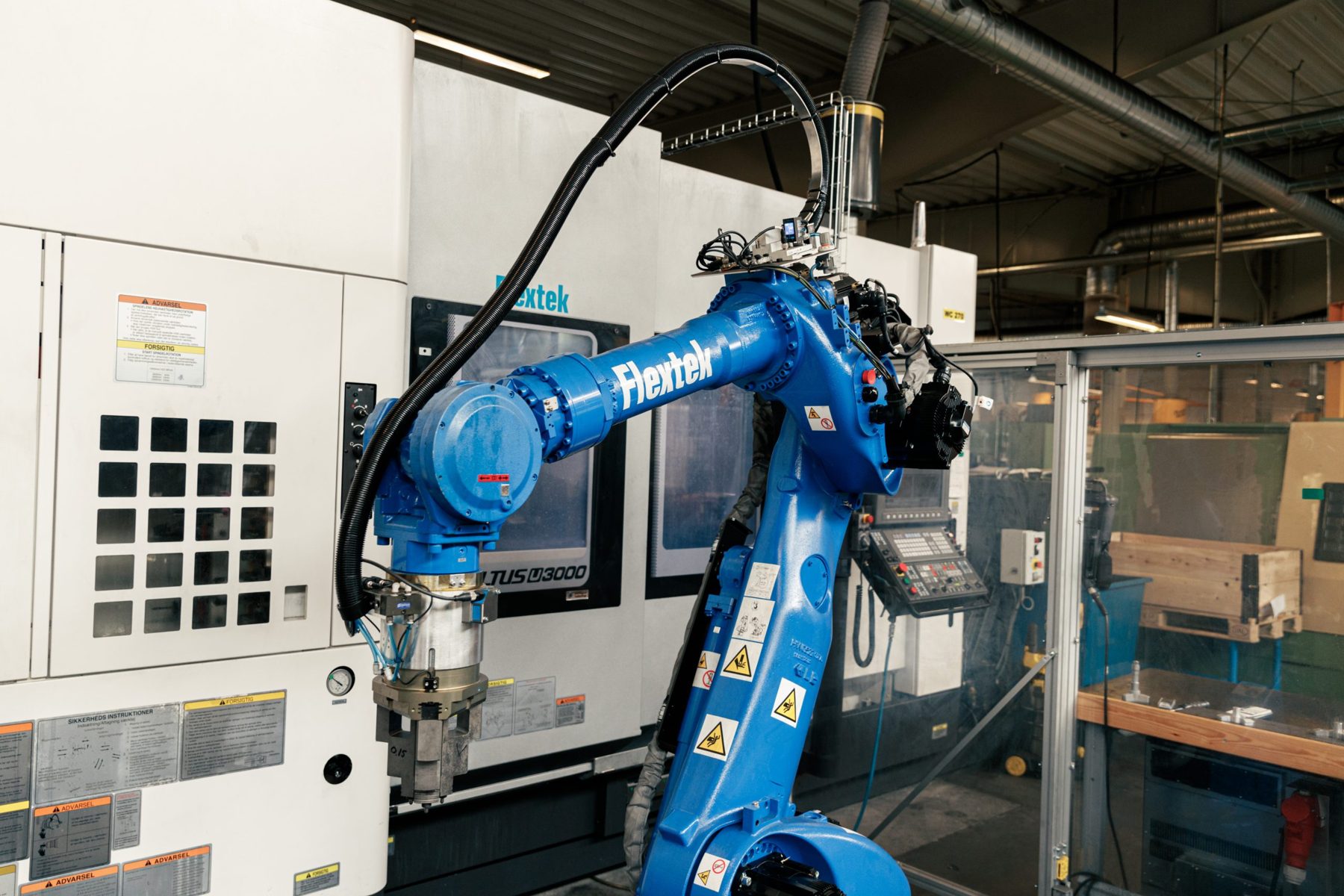
Spare parts and retrofits for an ageing fleet
Much of the world's fleet was built decades ago, and spare parts for those vessels are often no longer available from the original supplier. We reverse-engineer worn components by measuring them on 3D equipment, recreating the drawing and producing a replacement that fits without adjustment on board, which is often faster and cheaper than waiting for an original spare part from abroad.
Retrofit projects, where a vessel is upgraded with new equipment, often need transition parts connecting new technology to an older hull structure. We work closely with the yard's engineers on this kind of part, where a finished drawing rarely exists and the solution develops step by step through trial fitting.
Because vessels can often only be repaired while in port, lead time is critical. We prioritise urgent single repair parts alongside planned series production, so a vessel waiting for a critical part does not sit idle longer than necessary.

- ISO 9001 certified quality management since 2015
- 3D measurement of parts and measurement reports as documentation
- Traceability at batch and part level
- Material certificates and surface treatment by agreement
If you have questions about this content, please contact us at salg@rmfintech.dk.
Working with yards under confidentiality
Yards and equipment manufacturers often work with ship designs that are commercially sensitive long before a vessel is launched. We sign confidentiality agreements as a standard part of working with yards, and access to drawing material is controlled internally, so only staff working directly on the task see the design details.
Many jobs in the marine industry arise urgently, when a vessel needs a spare part at short notice. That requires a way of working where the customer can call directly, send a measurement or a photo of a worn part, and get a response the same day, rather than going through a lengthy quotation process.
We build these relationships over time, learning a customer's vessels, systems and preferred materials, and in return the customer can count on us archiving the production basis, so the next urgent order can be turned around even faster than the last.
Shall we produce something for your company?
Send us your drawing and we will come back with a technical assessment and a quotation. We accept electronic drawings in most formats and treat all material confidentially.