
Electronics and instrumentation
Precision parts for electronics manufacturers and the instrument industry: enclosures, brackets, heat sinks, shafts and fine mechanical details in metal and technical polymers.
- Tight tolerances on small parts and thin wall sections
- Clean surfaces without burrs at breakthroughs and threads
- Conductive or insulating materials according to function
- Consistent appearance on visible parts
- A short route from prototype to series
Small parts, big requirements
Sliding-head turning up to ø32 mm and fine mechanical milling make it possible to produce small, complex parts with tight tolerances in quantities that make economic sense. We work in aluminium, brass, stainless steel, POM and other technical polymers, and we choose process and fixturing so thin wall sections are not deformed during machining.
Surface and appearance matter
On visible parts the surface is part of the product. We plan tool paths and cutting data for a consistent finish and coordinate anodising, painting or other surface treatment through established partners, so the customer receives a finished component ready for assembly.
A fast route from idea to product
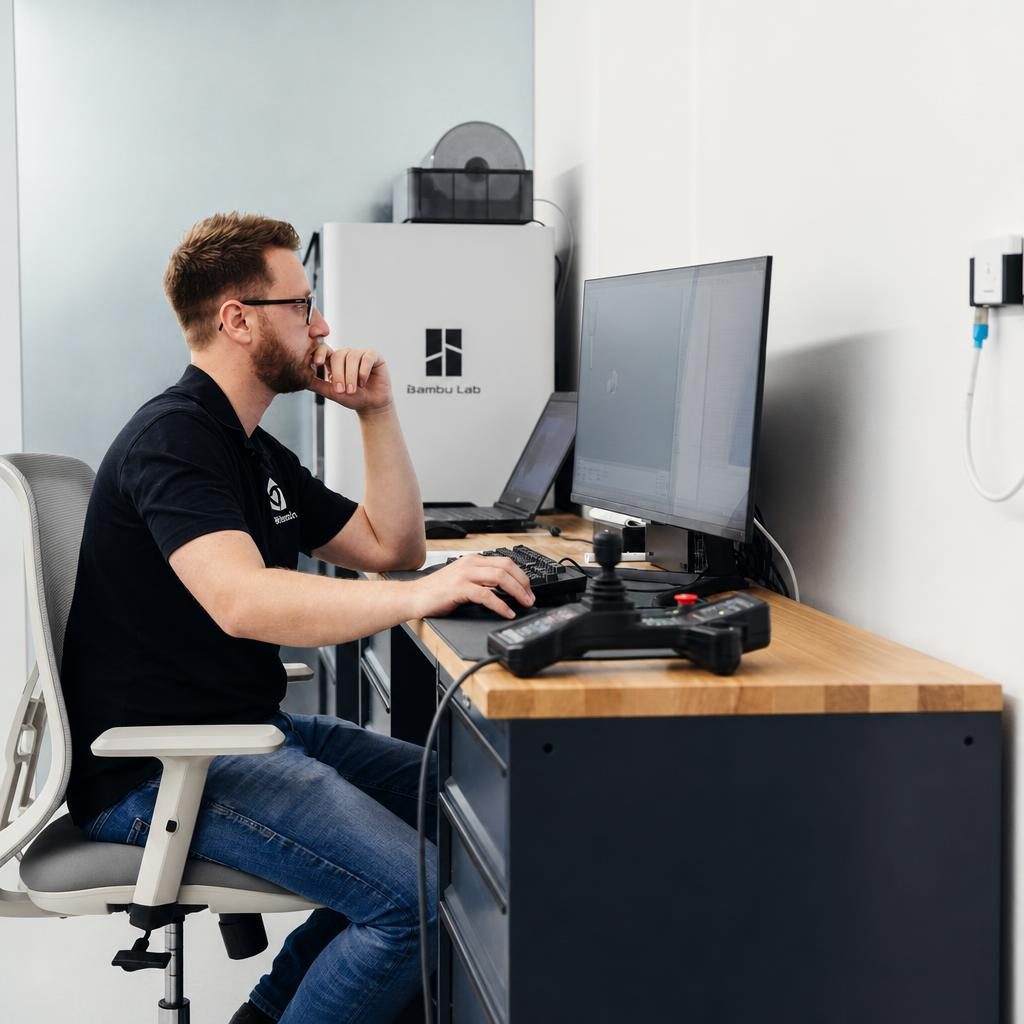
Electronics development moves fast, and the mechanics have to keep up. We program in Mastercam from electronic drawings and 3D models and can deliver prototypes quickly, so mechanics and electronics can be tested together before the design is frozen and the series begins.
Operating environment of cleanrooms and ESD sensitivity
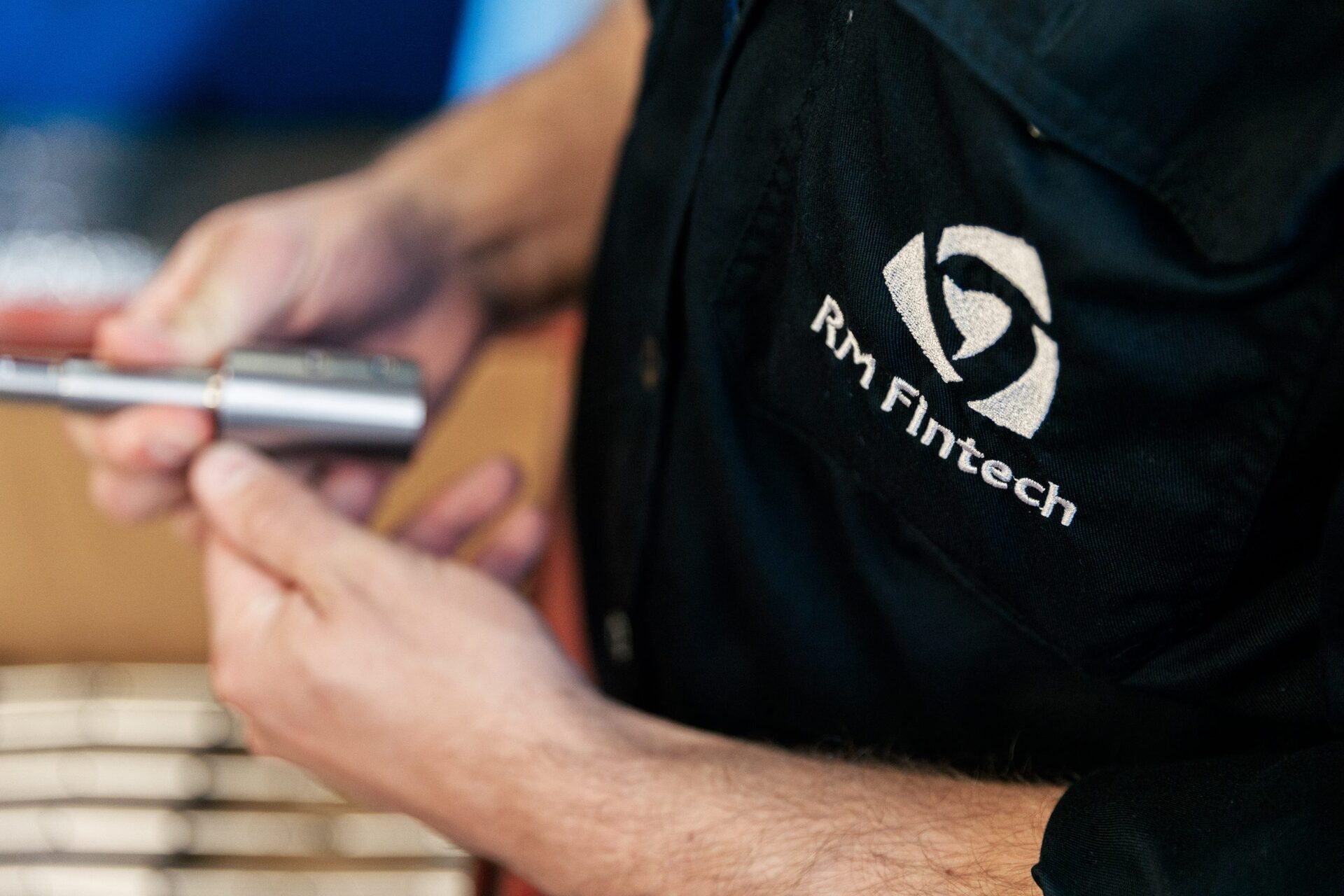
Electronics components are often handled in environments where cleanliness and static electricity matter as much as the geometry itself. We adapt our handling and packaging so components heading to a cleanroom or an ESD-sensitive assembly line arrive without particles or static charge that could damage sensitive electronic parts during subsequent assembly.
Enclosures and heat sinks for electronics are often placed close to heat-generating components, which demands thermal conductivity and dimensional stability at elevated temperature from the material. We advise on when aluminium is sufficient and when a different alloy gives better cooling properties, based on the actual thermal load in the product.
Electronics products often travel globally and are exposed to large temperature and humidity swings along the way. We choose surface treatments that protect against corrosion during transport and storage, without compromising the tight tolerances electronics parts often require on mating faces against boards and connectors.
Material choice for thermal and electrical function
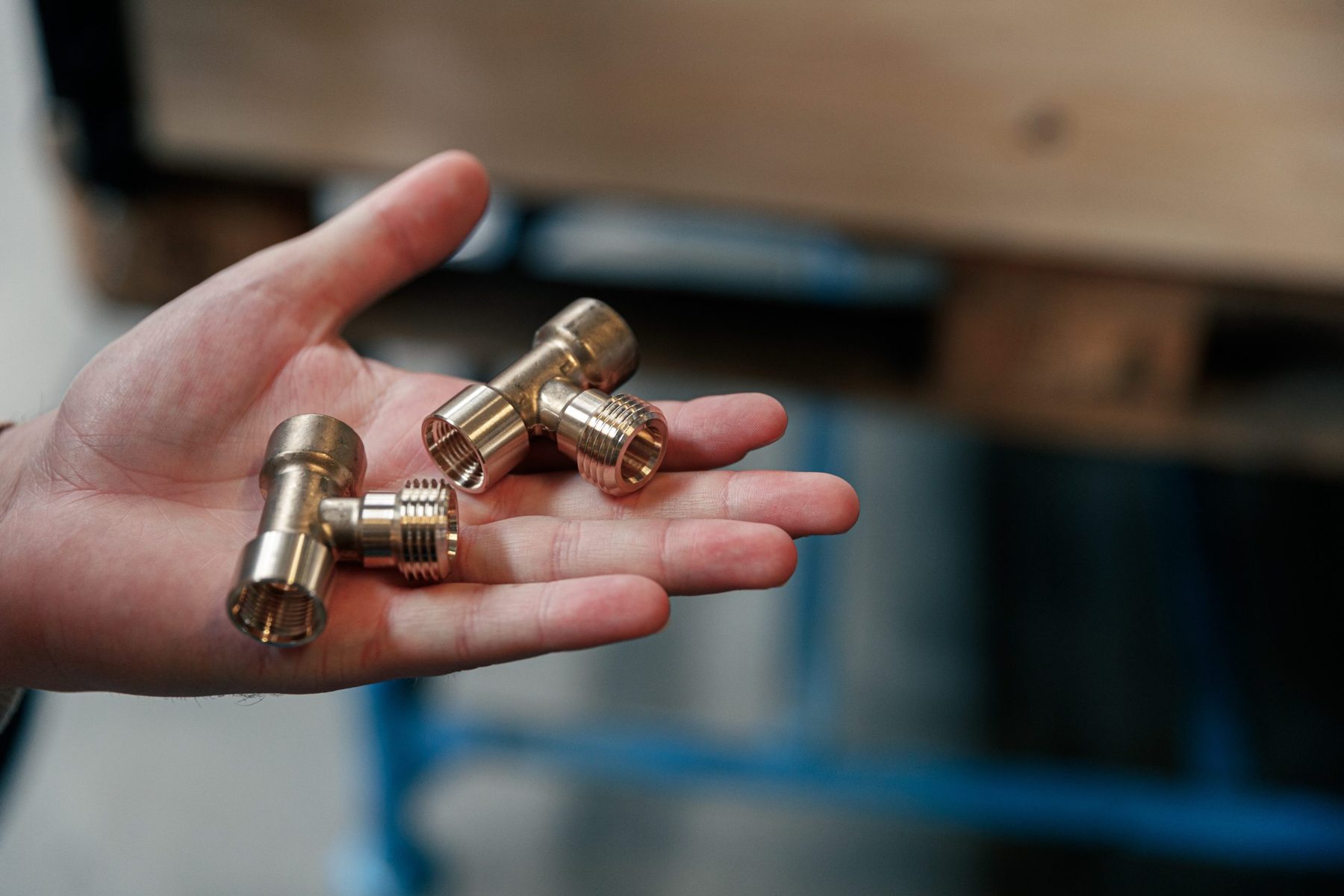
The choice between aluminium, brass, stainless steel and technical polymers in an electronics component decides not only mechanical strength but also thermal and electrical conductivity where it matters for product function. We advise on material choice when we can see that a component's position in the product demands shielding or heat dissipation not directly stated in the drawing's dimensions.
Brass is often used for components that must conduct electricity or withstand repeated connection and disconnection, such as connectors and contact parts. We know the cutting data that give a clean, bright surface in brass, which is critical for both appearance and electrical contact resistance in the finished component.
Technical polymers are chosen where insulation or low weight matters more than strength, and we have experience machining these materials with the cutting data and fixturing methods that avoid the heat build-up and deformation polymers are more sensitive to than metal.
Micro-tolerances for connectors, optics and sensors
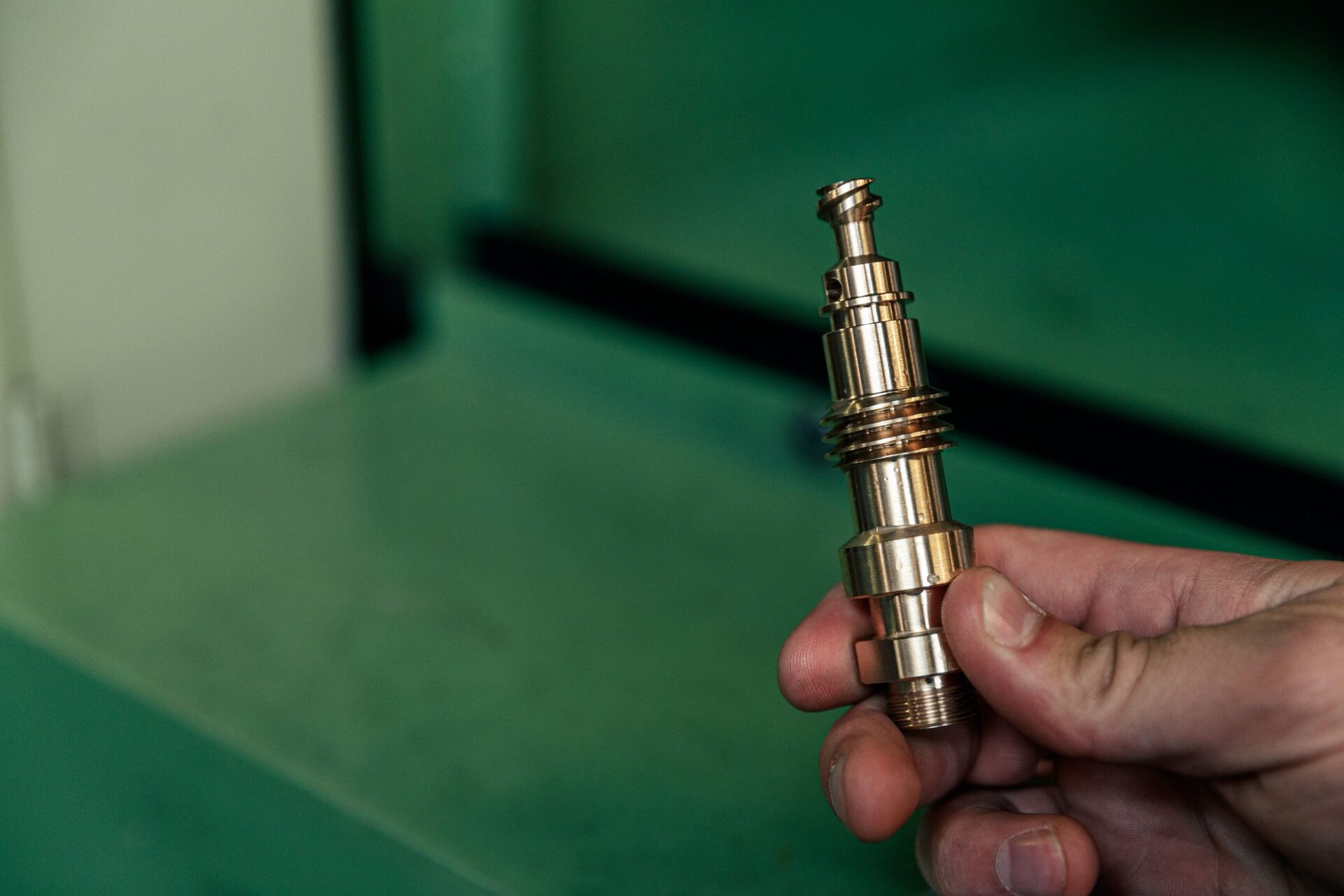
Connectors, optical components and sensor housings often require tolerances at the absolute tight end of what conventional machining can deliver, because even a small deviation can cause poor electrical contact, incorrect optical alignment or unreliable sensor readings. We use fine mechanical machining on machines dedicated to this type of work, with controlled handling from fixturing to packing.
For optical and sensor-related components, surface finish is often as critical as the dimension itself, because a rough surface can scatter light or create friction that affects function. We fine-finish the critical faces specifically and document the result with a measurement report where the customer needs it.
Because electronics products are often produced in large numbers with short product cycles, we focus on establishing a robust process early, so micro-tolerances hold throughout the series without gradual drift, even when production runs unattended across several shifts.
Documentation and revision control through the product lifecycle
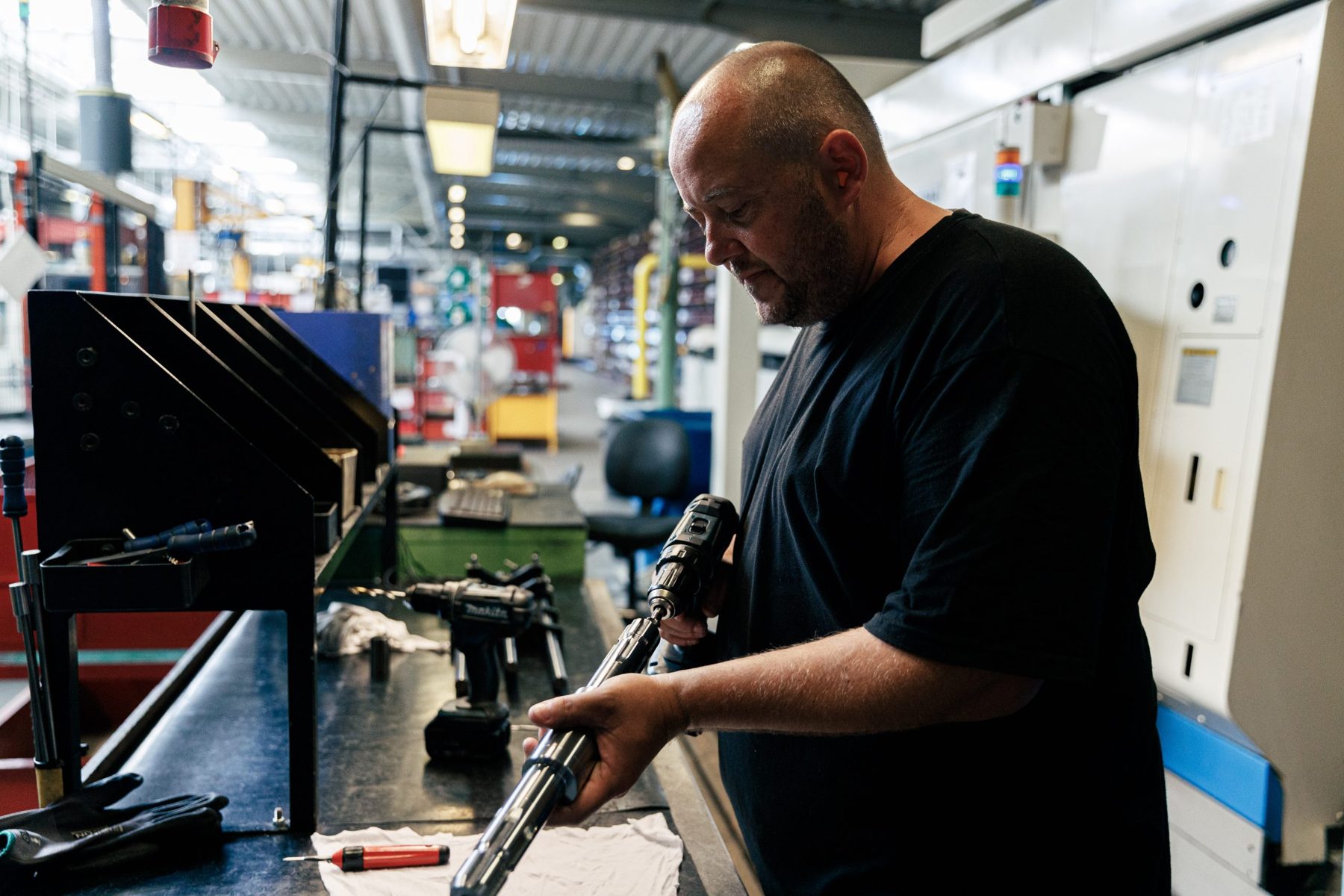
Electronics products often change several times during their life, from first prototype through design revisions to the final series version, and each revision must be traceable back to the correct drawing and production basis. We record the revision number on the production order, so there is never doubt about which version of a component was delivered to which series.
Measurement reports and traceability are provided on components where the customer needs them for their own documentation, without becoming unnecessarily heavy paperwork on parts where risk is low. Scope is agreed specifically per component, so documentation matches its actual importance to product function.
When scaling from prototype to series, we ensure documentation follows the scale-up, so the customer can see a clear line from the first measurement results on the prototype to the statistical process control run once the series is in full operation.
01Swiss-type turningSlender, complex precision parts up to ø32 mm in efficient series production.02Precision engineeringPrecision parts in every material, from acid-proof steel to POM and composites.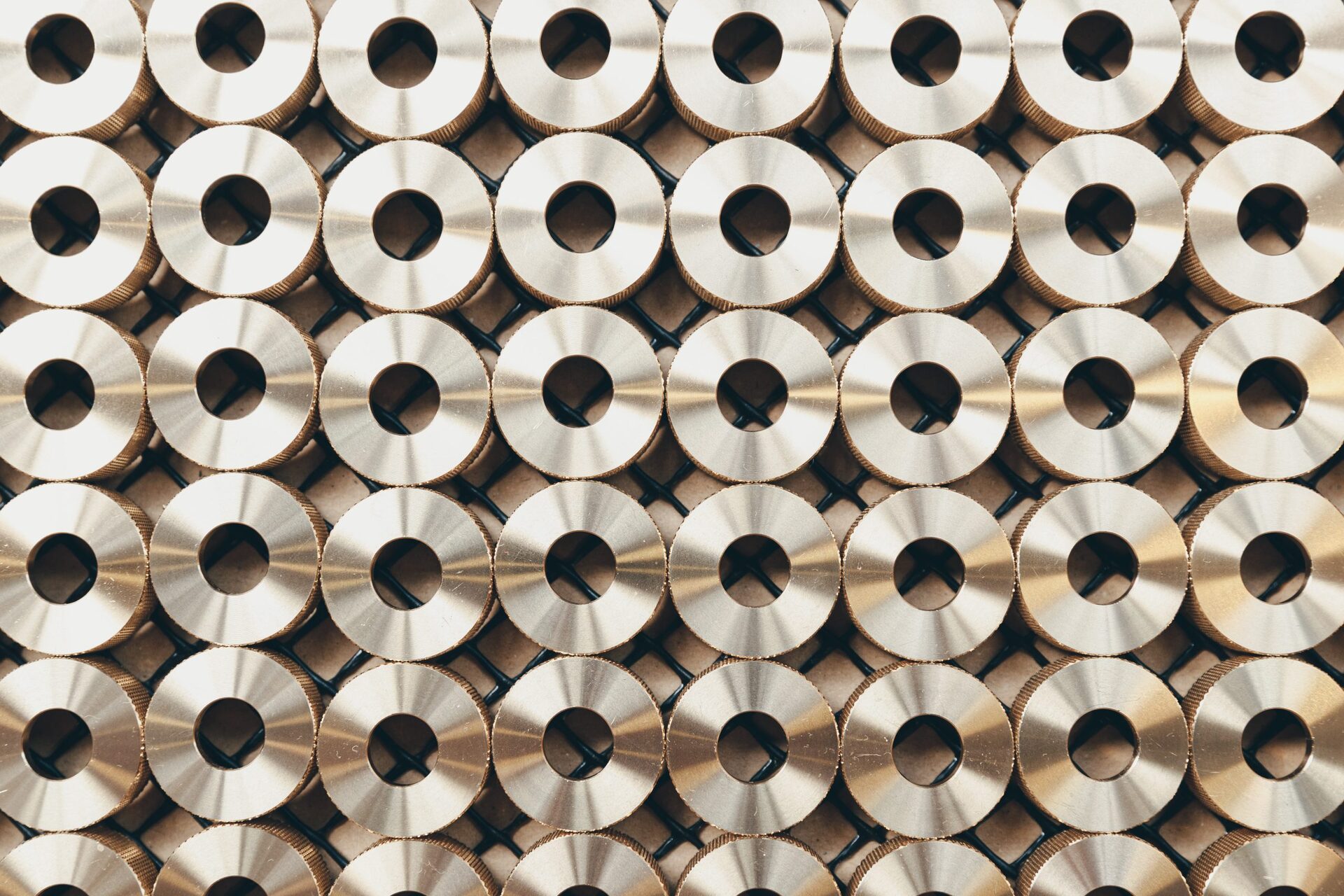 03Surface treatmentDelta coating, nickel plating, anodising, painting and hardening through qualified partners.
- ISO 9001 certified quality management since 2015
- 3D measurement of parts and measurement reports as documentation
- Non-disclosure agreement, secure drawing storage and role-based access
- Surface treatment and marking to the customer's specification
If you have questions about this content, please contact us at salg@rmfintech.dk.
Series, scaling and confidentiality around new products
Electronics products often move from a handful of prototypes to large series quickly once a product hits the market. We are set up to follow that curve, from manual setup of the first parts to automated production as volume grows, without the customer having to move the job to another supplier mid-scale-up.
New electronics products are often commercially sensitive long before launch, and a mechanical detail can reveal an upcoming product launch if it falls into the wrong hands. We sign confidentiality agreements as standard in this industry and store drawing material encrypted with role-based access internally.
We never reuse a customer's design or process experience on another job, not even in an adjacent product category. That strict separation is a precondition for several electronics companies in the same market being able to use us as a shared machining partner without fear of knowledge leaking between jobs.
Shall we produce something for your company?
Send us your drawing and we will come back with a technical assessment and a quotation. We accept electronic drawings in most formats and treat all material confidentially.