
Capabilities
From automatic turning of small precision parts to milling of heavy cast iron on our FMS cell. We cover the entire chain, including assembly and quality documentation.
Competences organised around the customer's product, not our machines
We have deliberately organised our competence areas around what the customer needs, rather than around any single machine type. That means an enquiry about a complex part is not first routed to the right internal department, but handled based on which combination of turning, milling, precision machining and assembly gives the best and cheapest solution. That approach requires close internal coordination, but it saves the customer from needing to know which process suits their part best.
When a part requires several processes in sequence, it is planned as a single combined flow with one lead time, not as separate orders that happen to be carried out under the same roof. A part that needs turning, milling and subsequent surface treatment at a partner is therefore managed on one timeline with one point of contact who has full oversight from start to delivery.
The combined organisation also makes it easier to optimise across processes. A part originally drawn to be turned and then milled in two setups can often be redesigned for a single setup on a turning machine with C and Y axes, if we see the drawing early enough. That kind of optimisation depends on the competences talking to each other internally, a direct consequence of how we have chosen to organise the company.
Material knowledge as an integrated competence
Our competences cover a broad range of materials: stainless and acid-resistant steel, free-cutting steel, aluminium, brass, titanium in smaller volumes, and engineering polymers such as POM and PEEK. Each material makes different demands on cutting speed, cooling, tool geometry and chip breaking, and that knowledge is embedded in our process planning, not just held by an individual operator. This means switching from one material to another on the same part geometry rarely requires a long commissioning period.
Material choice often has a major impact on both cost and function, and we are happy to advise if a customer's choice creates unnecessary production challenges. One example is a free-cutting steel chosen for historical reasons, where a stainless alternative would give a more stable process without materially changing the part's function. That kind of dialogue typically happens during quotation, before production starts.
We keep up to date with new material variants and suppliers, partly because material availability can fluctuate and because a customer specification sometimes needs to be renegotiated if a particular steel grade becomes hard to source. Being able to advise on alternatives with the same mechanical properties is part of the competence customers draw on when choosing us as a supplier.
Programming and digital preparation of orders
All CNC programming is done in Mastercam based on the customer's electronic drawings and 3D models. Programming is a distinct competence that precedes physical production, where decisions on fixturing, tool selection and machining strategy are made before the first chip is cut. Errors or inefficiencies at this stage are expensive to fix later, so we place great emphasis on thorough preparation.
Programmes are archived systematically together with fixture data, tool lists and inspection plans, so an earlier order can be retrieved and run again with the same result, even years later. This is especially important for customers with spare-parts needs or low, irregular demand, where production of a given part may be dormant for a long time between orders.
Digital preparation also includes simulating the machining sequence before the programme runs on the machine, reducing the risk of collisions and machining errors when new parts start up. The extra time spent simulating a sequence thoroughly is typically recovered already in the first setup, because the number of trial parts and corrections is reduced significantly.
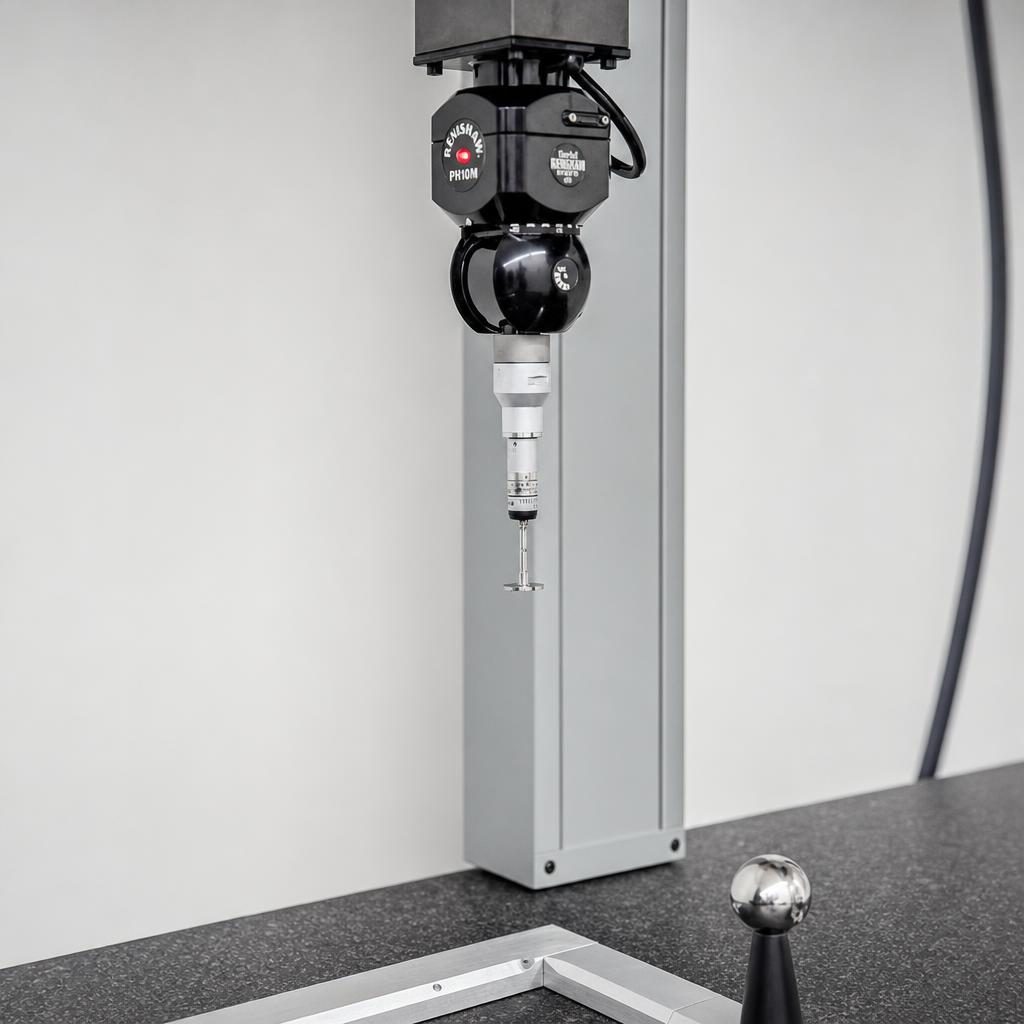
Close interaction between quality control and production
Quality control is not an isolated final check but an ongoing function coupled directly to production. Measurement equipment, including 3D coordinate measuring machines, is located close to the production departments, so results can be fed back quickly if a process starts to drift. That makes it possible to react to a trend before it becomes an actual defect, reducing the number of parts scrapped or reworked.
We apply statistical process control on series where it makes sense, meaning selected dimensions are tracked over time and deviations are caught systematically rather than by chance. Data from statistical control is also used to document process stability to the customer, which is often requested as part of supplier approvals in the medical and aerospace industries.
For parts with particularly critical dimensions, a specific inspection plan is prepared describing which dimensions are checked, how often, and with what equipment. The plan is agreed with the customer before production starts, so there is agreement on the scope of inspection, and the reports accompanying the delivery match what the customer's own incoming inspection expects to receive.
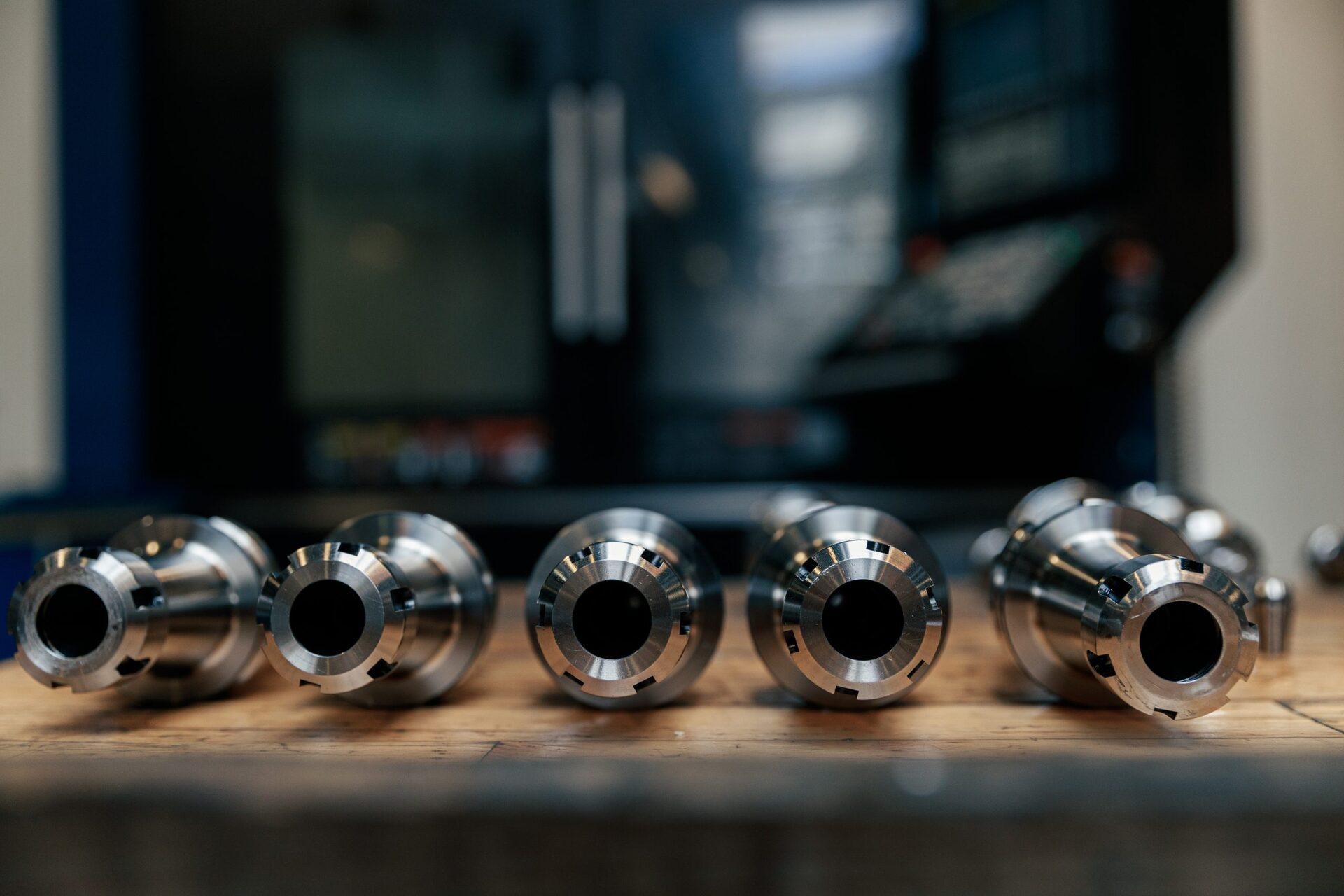 01TurningAutomatic and CNC turning up to ø400 mm, more than 50,000 parts per month.
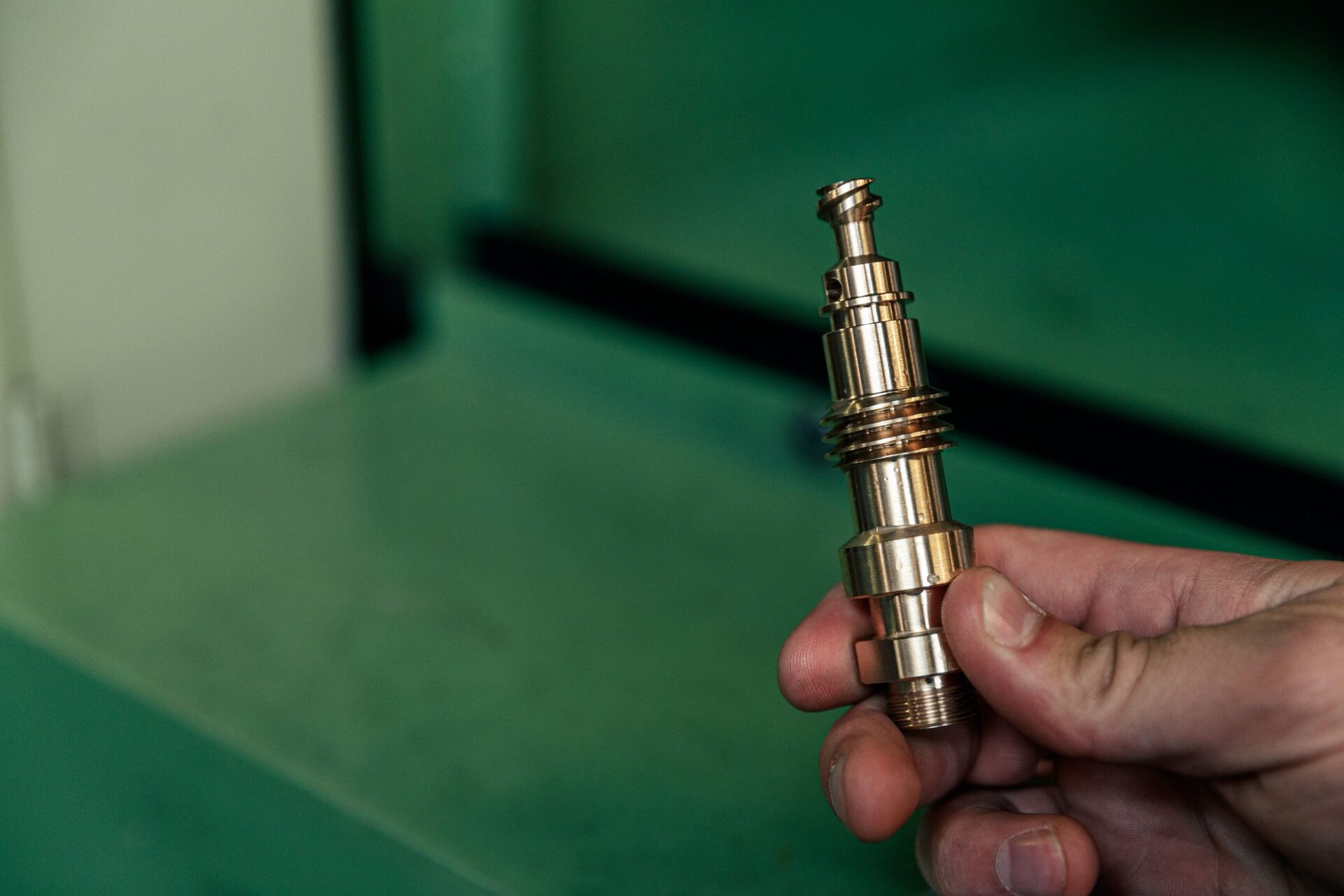 02Swiss-type turningSlender, complex precision parts up to ø32 mm in efficient series production.
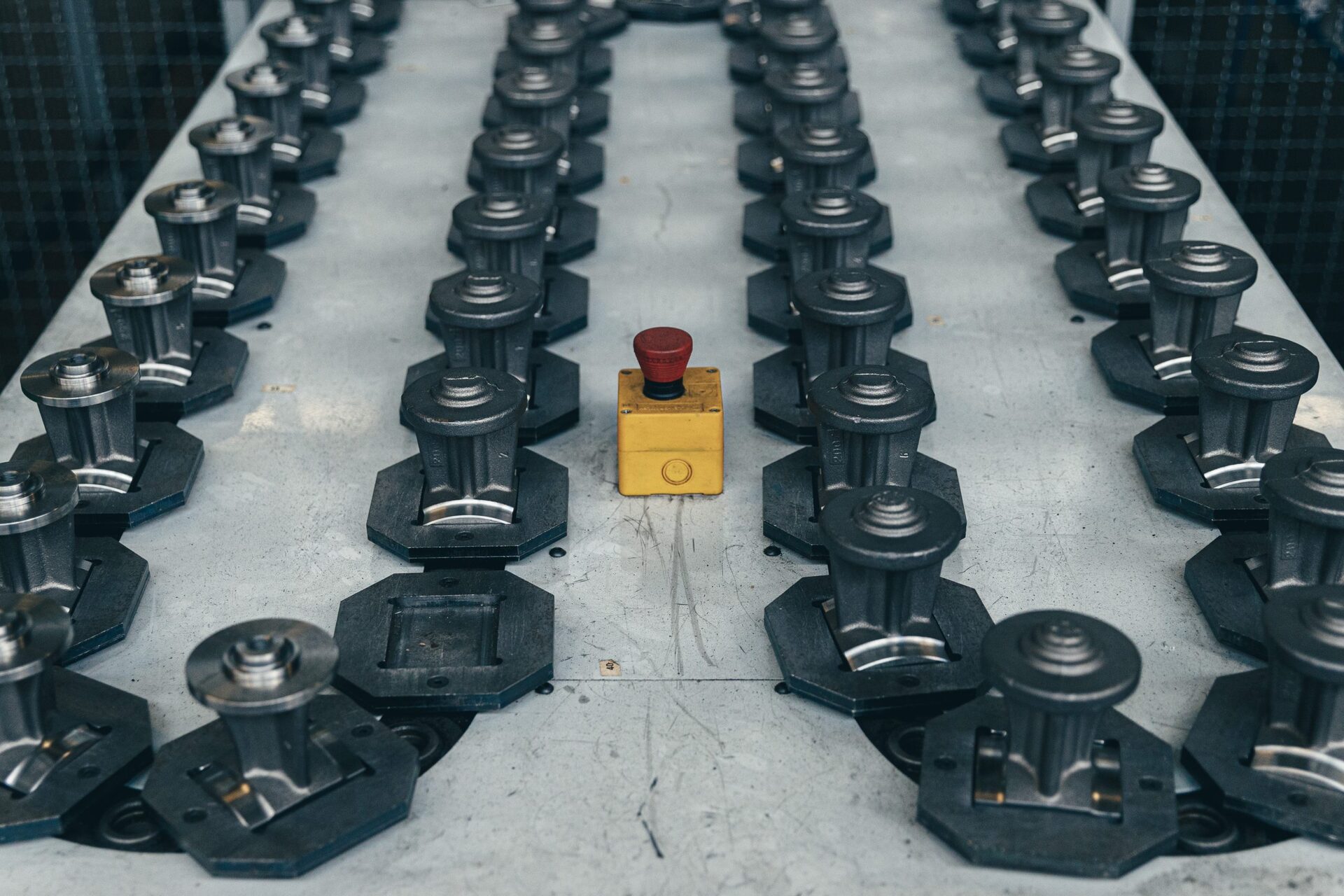
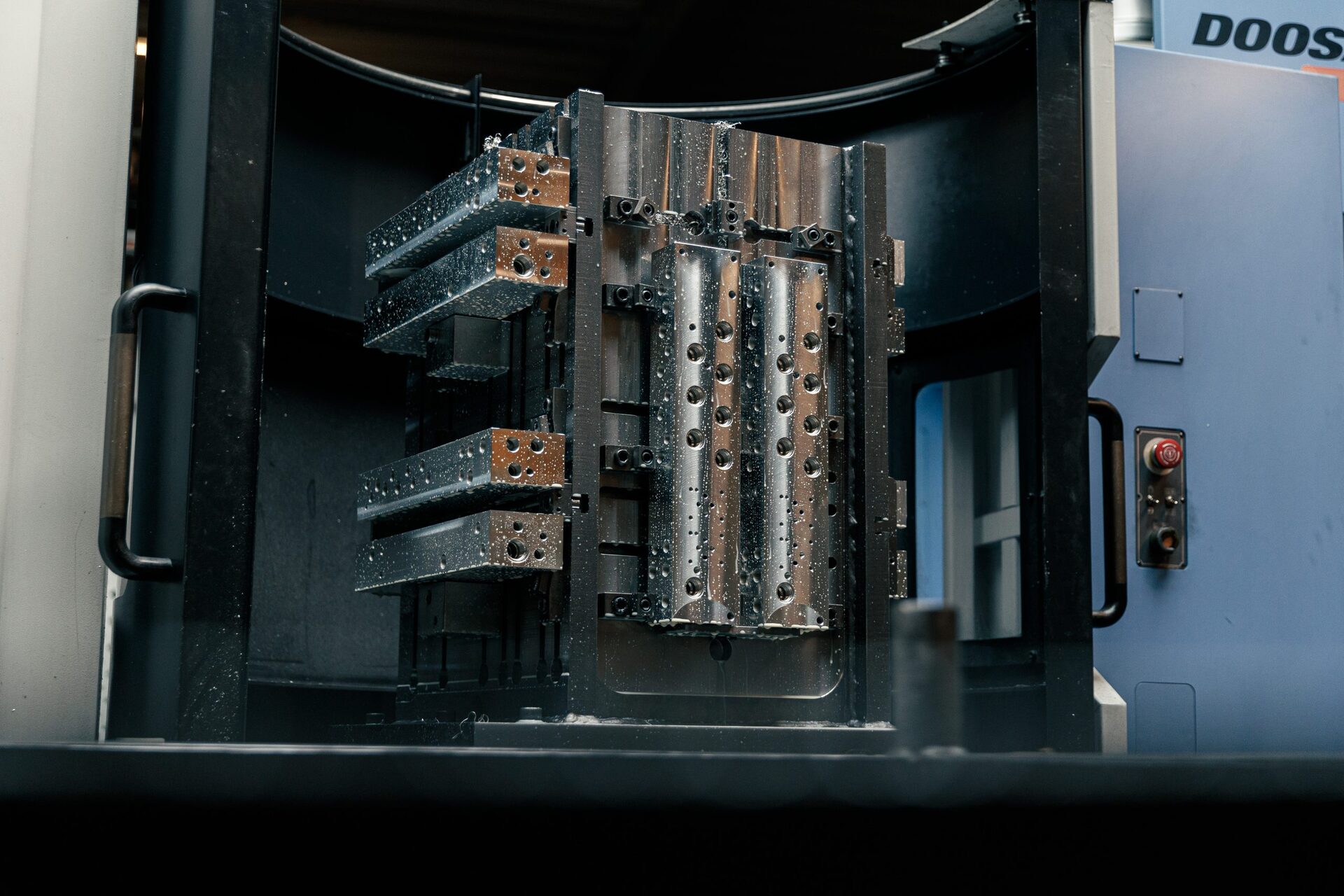 03Milling4-axis milling in an FMS cell with 48 pallets, more than 500 tons a year.
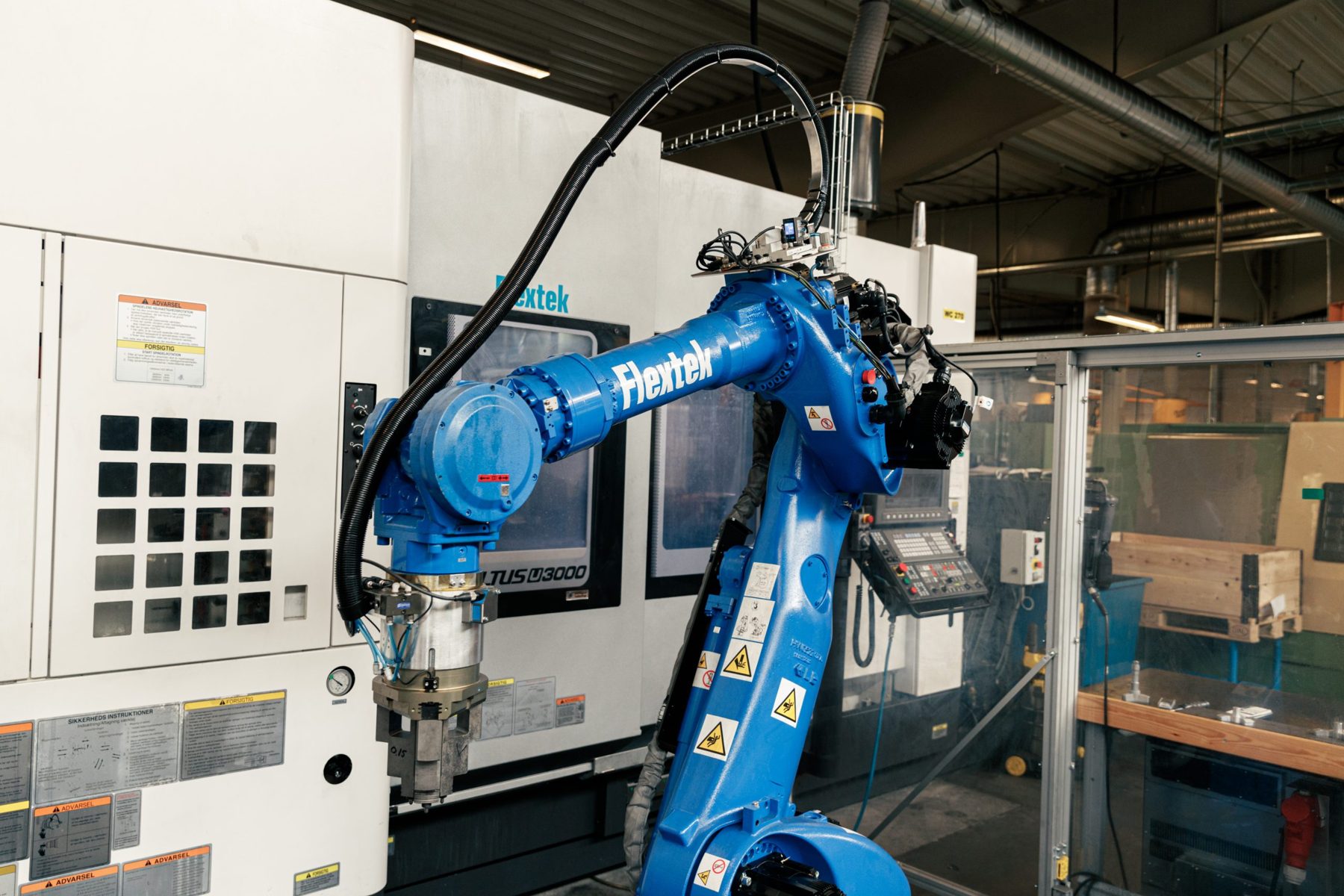
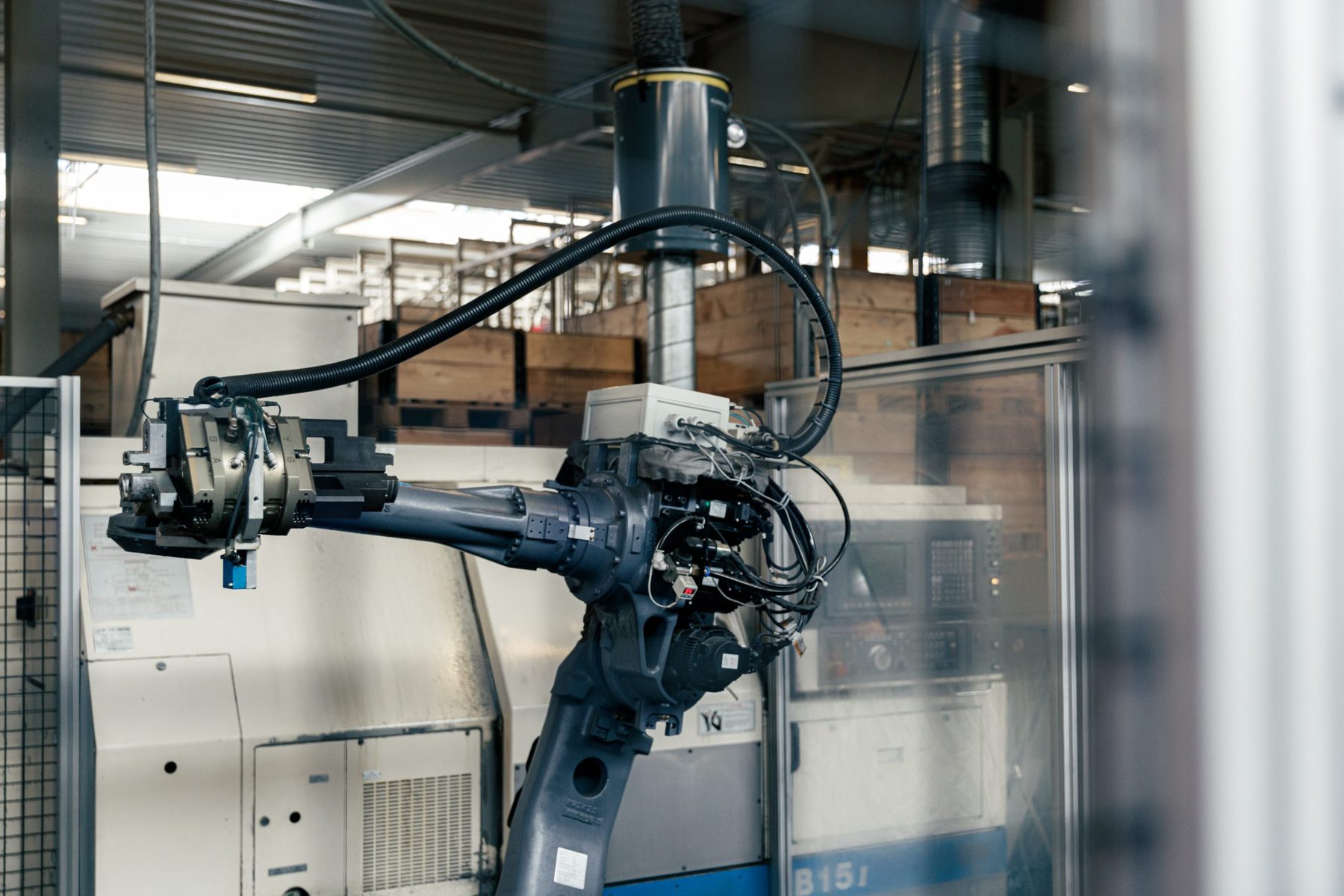
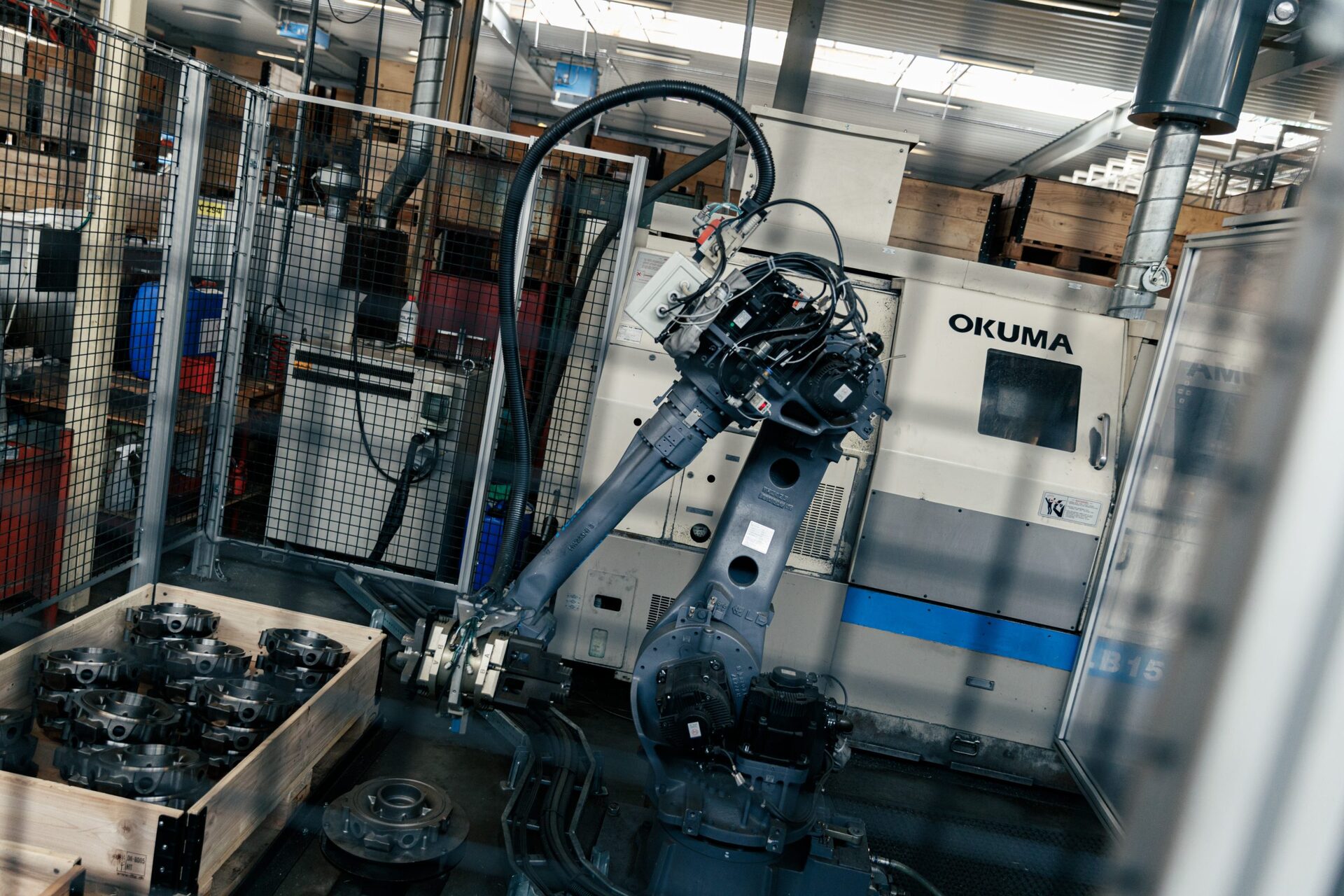 04AutomationRobot cells, pallet systems and a high-bay store enable round-the-clock production.
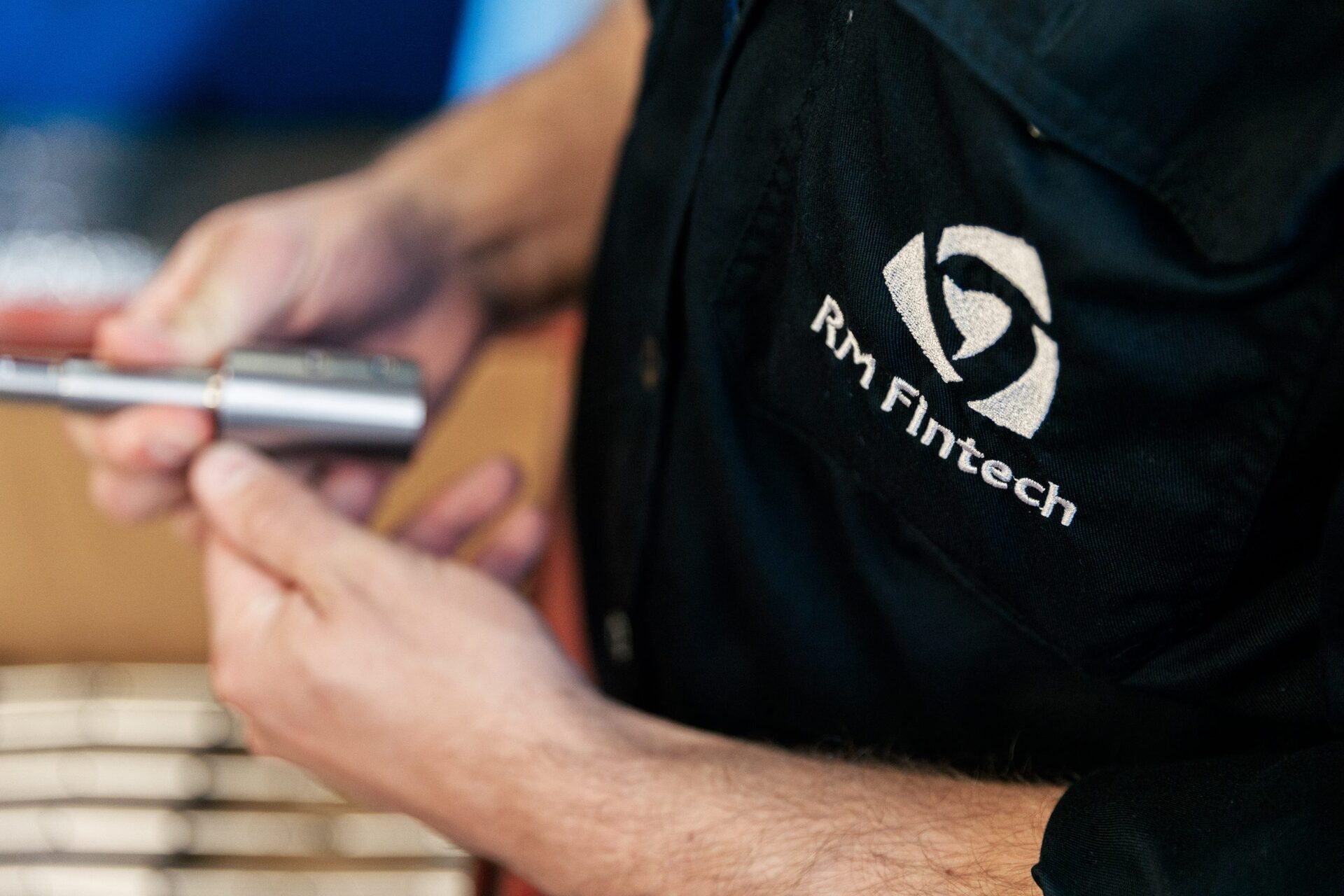 05Precision engineeringPrecision parts in every material, from acid-proof steel to POM and composites.
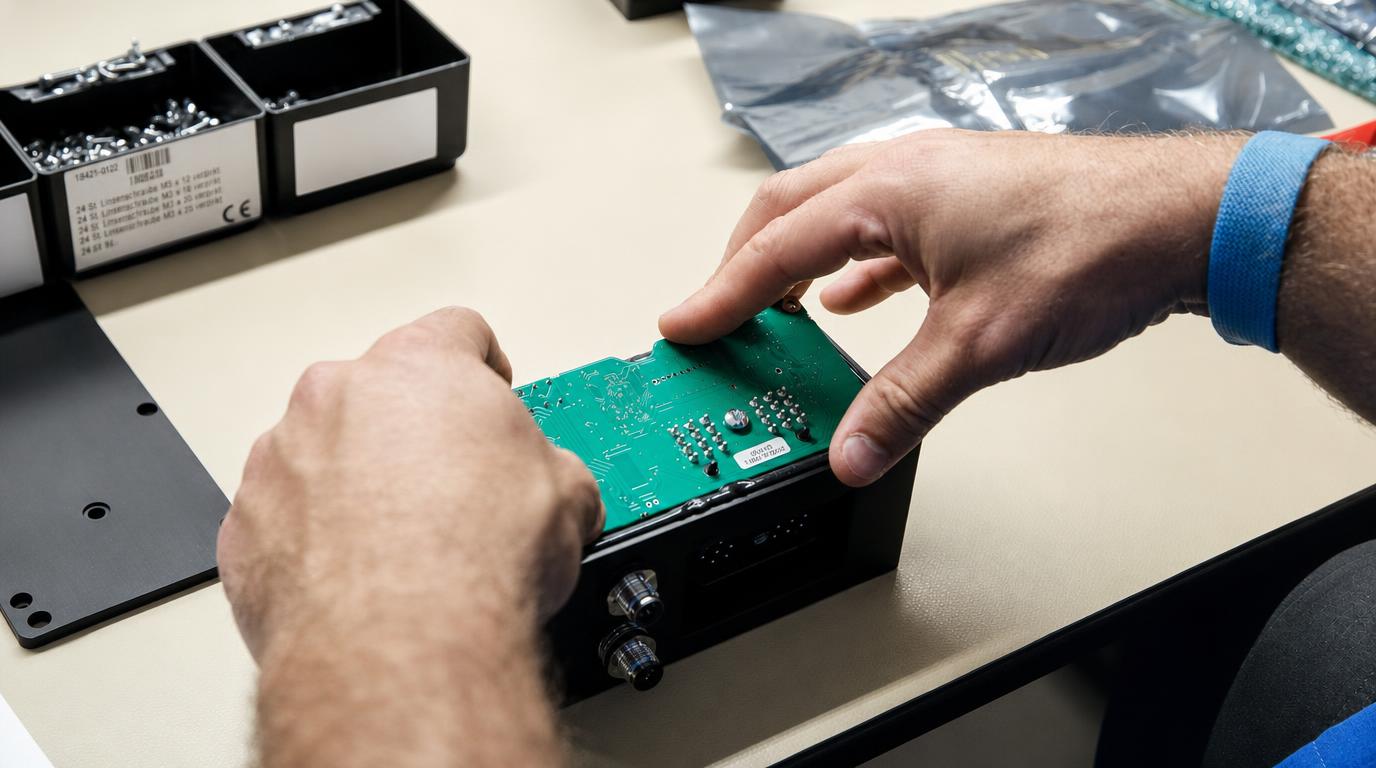
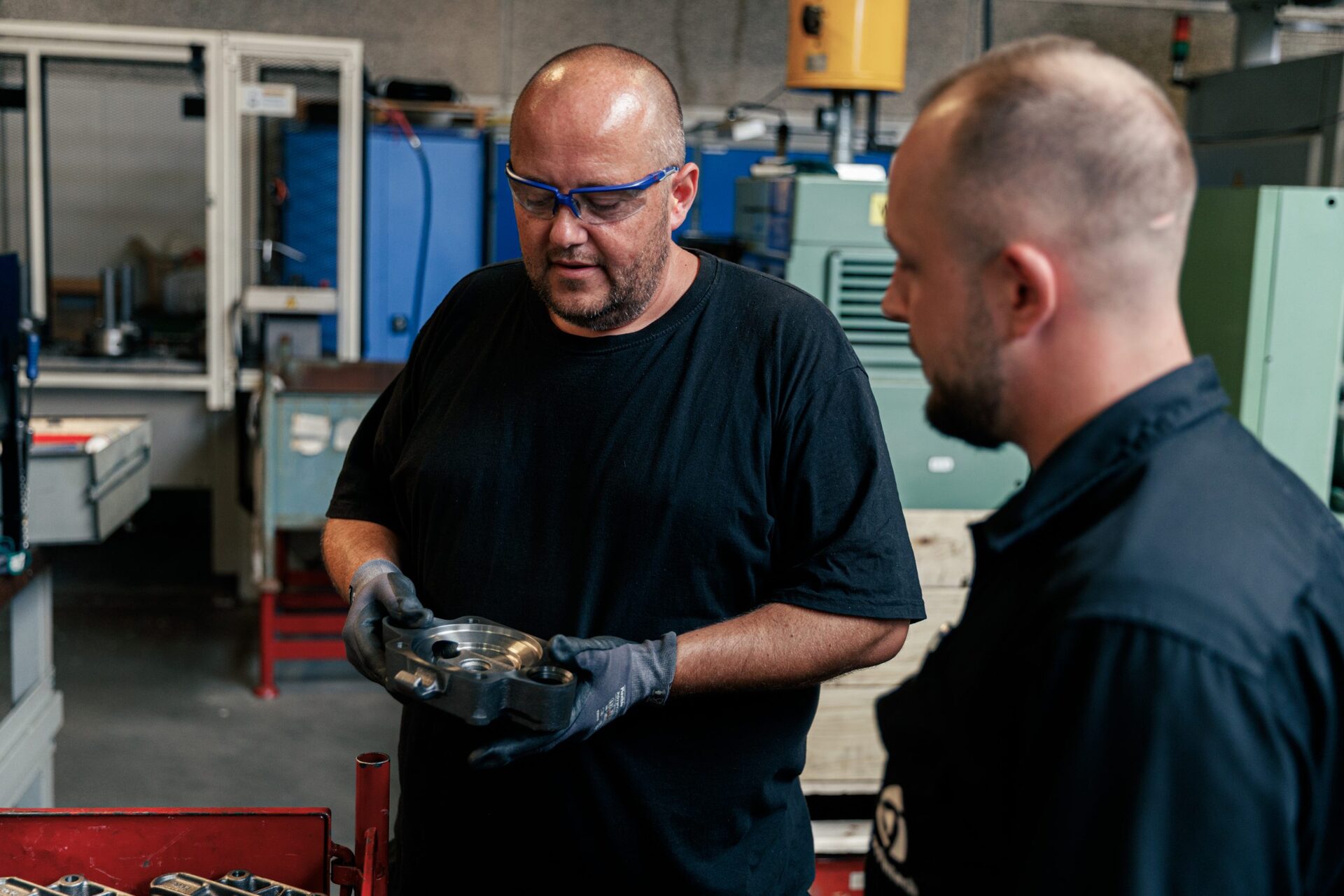 06AssemblyA new assembly department: sub-assembly and final assembly, fewer supplier links.
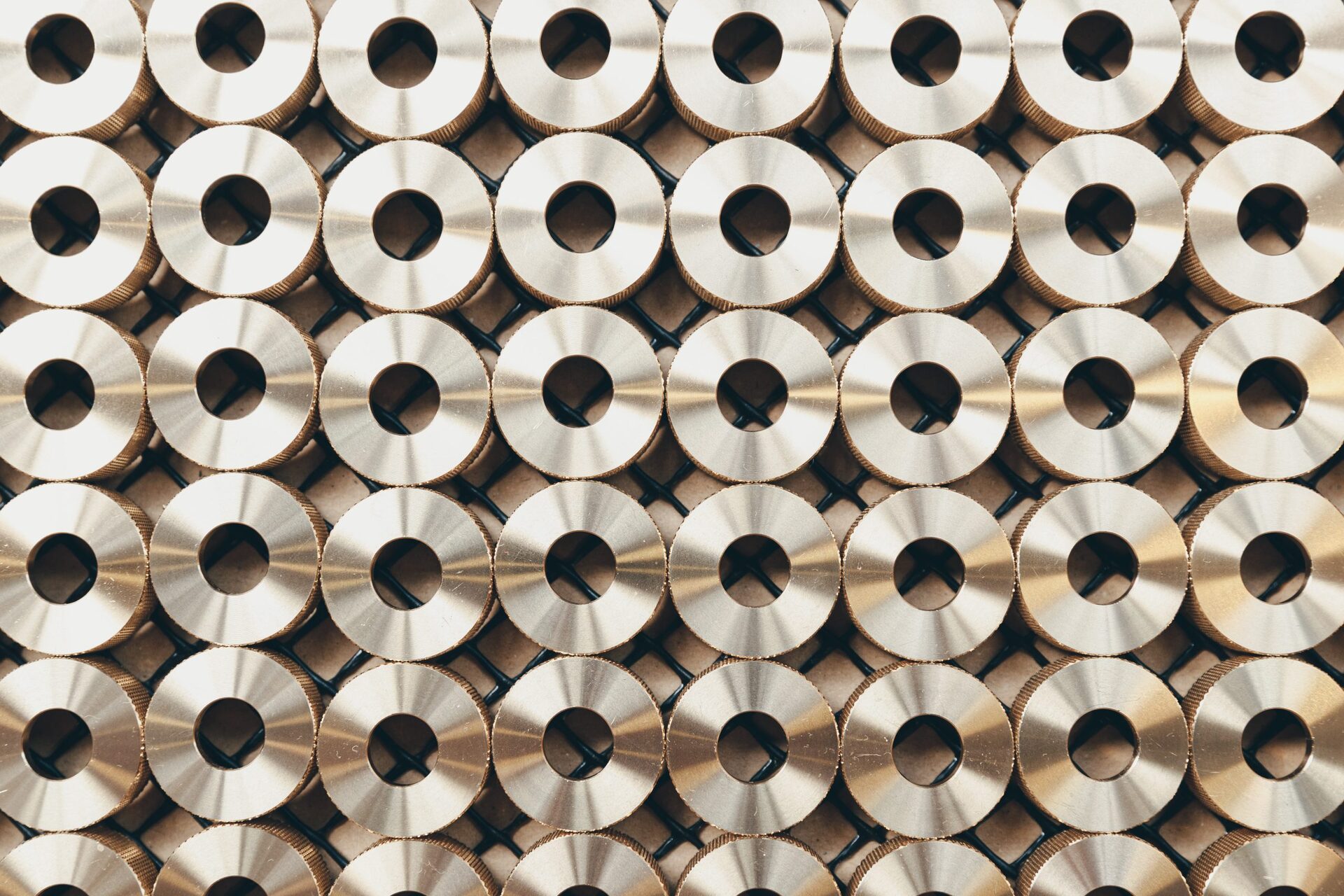 07Surface treatmentDelta coating, nickel plating, anodising, painting and hardening through qualified partners.
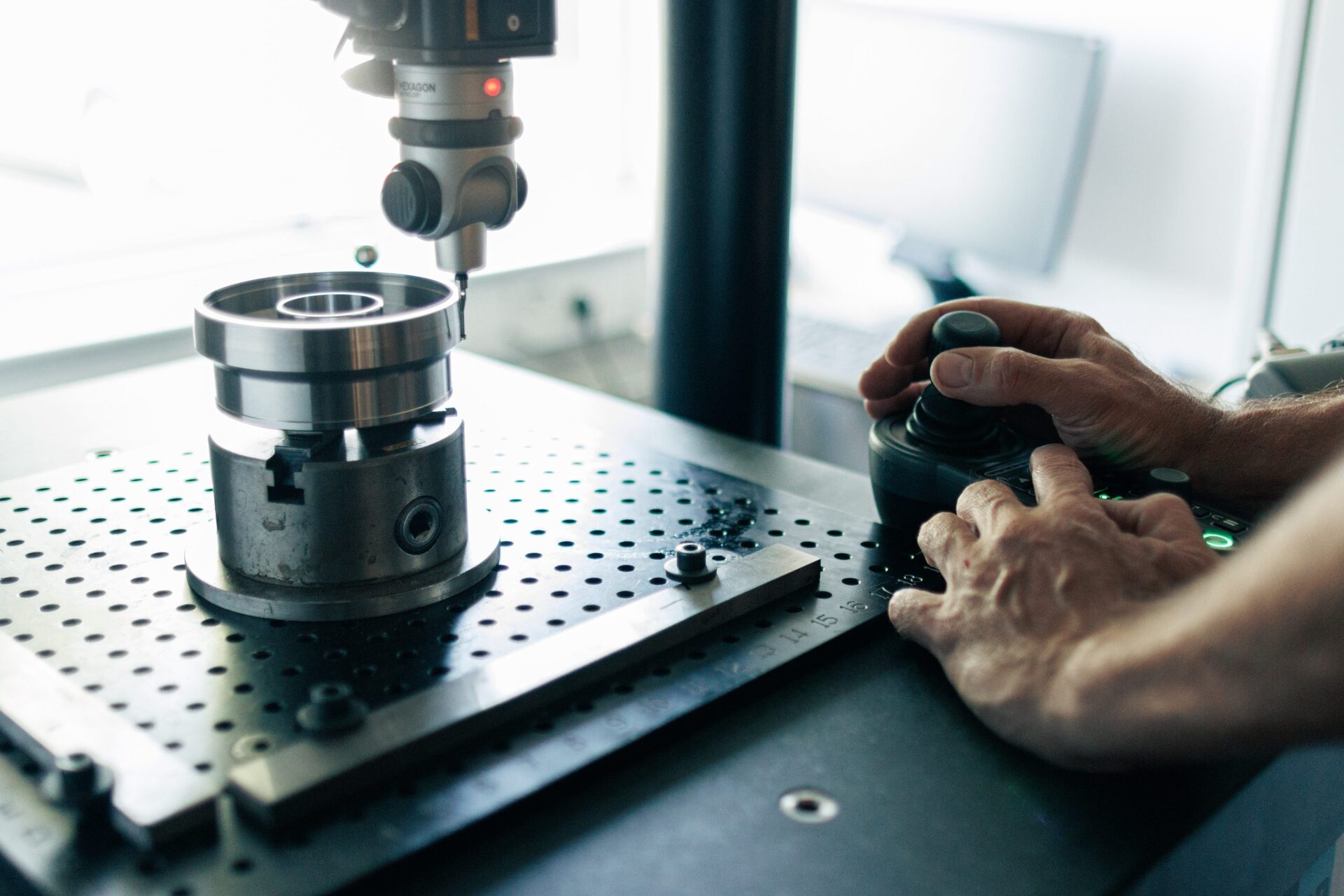 08Quality control3D measurement of every part, SPC on large series and measurement reports as documentation.
Logistics and stock management as part of the competences
Our competence areas also cover logistics and stock management around the parts we produce. Many customers do not want to tie up capital in large stocks of finished components themselves, and we therefore offer to hold agreed finished-goods buffers, delivered on call-off. This requires a system that can track both production orders and stock levels in parallel without the two becoming confused.
Stock management is closely linked to production planning, so replenishment happens automatically once stock reaches an agreed level, rather than depending on manual follow-up. That gives the customer a stable supply without having to monitor stock levels themselves, and it gives us a smoother production flow, because replenishment orders can be planned into overall capacity well in advance.
For components needing surface treatment at one of our fixed partners, transport to and from the partner forms part of the overall logistics competence. The part leaves our building, is treated, and returns for final inspection, without the customer having to coordinate the transport or deal with multiple delivery addresses.
Advice on design and manufacturability
A central part of our competences lies in the ability to assess a drawing based on how it will behave in production, not only on whether it is technically correct. This can involve rounding a sharp internal corner without functional consequence, shortening a thread length, or relaxing a tolerance on a non-functional surface. Such suggestions are typically put in writing with a concrete justification, so the customer can decide.
This advice is based on experience across a broad range of part types and industries, and it is always tailored to the requirements of the individual project. A tolerance that can be relaxed on an industrial component may be non-negotiable on a medical component, and we distinguish between the two rather than applying the same rule of thumb everywhere. That requires understanding the part's function, not just its geometry.
We are happy to take part in early design reviews with the customer's engineers, where suggested changes can be discussed directly while the drawing is still under development. That kind of dialogue is often the most valuable part of the collaboration, because changes that are expensive to make after release are cheap while the drawing is still open.
Collaboration with a fixed network of external partners
Although the core of our competences lies in our own production, the ability to coordinate with external partners is an equally important competence. Surface treatment, including Delta coating, nickel plating, anodising, painting and hardening, is carried out by fixed Danish partners we have worked with for many years. That relationship means we know the partners' capacity, lead times and quality level, and can plan accordingly.
When a part is sent to an external partner, it is accompanied by a clear specification of what must be done, including coating thickness, colour or hardness, depending on the job. We inspect the part both before it is sent and when it returns, so any deviation is caught while responsibility is still unambiguous, rather than being discovered by the end customer after delivery.
The fixed partner network lets us offer a broader service than our own production covers on its own, without the customer noticing the transition between us and the partner. The customer still has only one point of contact and one invoice, and we take responsibility for coordinating the whole process, regardless of how many links it actually involves.
Shall we produce something for your company?
Send us your drawing and we will come back with a technical assessment and a quotation. We accept electronic drawings in most formats and treat all material confidentially.