
Pumps, valves and fittings
Machined components for pumps, valves and fittings: bodies, shafts, impellers, spindles and seats with the fits that determine efficiency and sealing.
- Tight fits between rotating and fixed parts
- Good roundness, flatness and surface quality
- Materials that resist medium, pressure and temperature
- Consistent quality in large series
- Documentation of critical dimensions per delivery
Precision where parts work together
In a pump or valve, performance is decided by how precisely the parts fit together. We machine shafts, bodies and seats with controlled fits and document roundness, flatness and diameters on 3D measuring equipment, so the customer knows the assembly works before it is even put together.
From casting to finished part
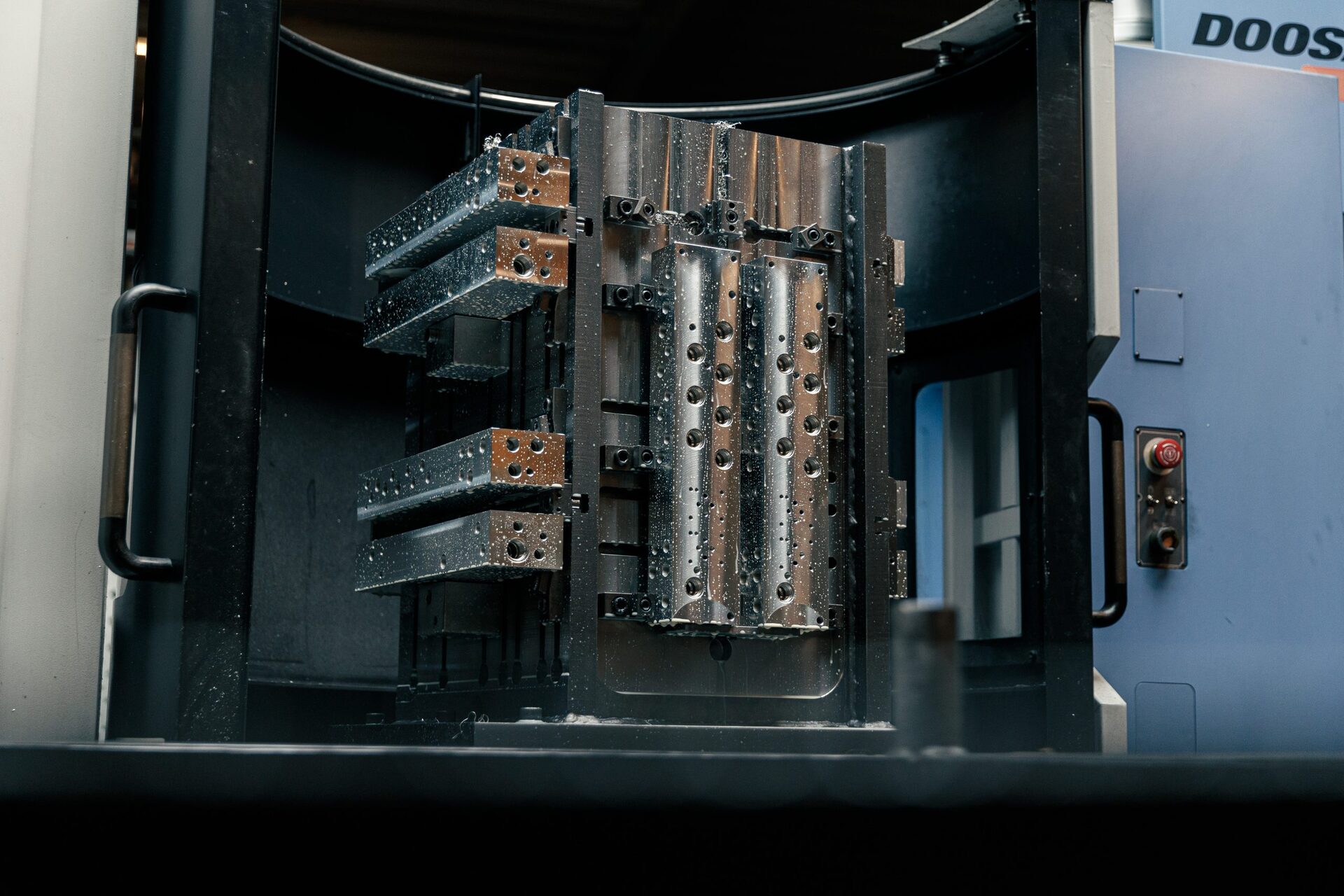
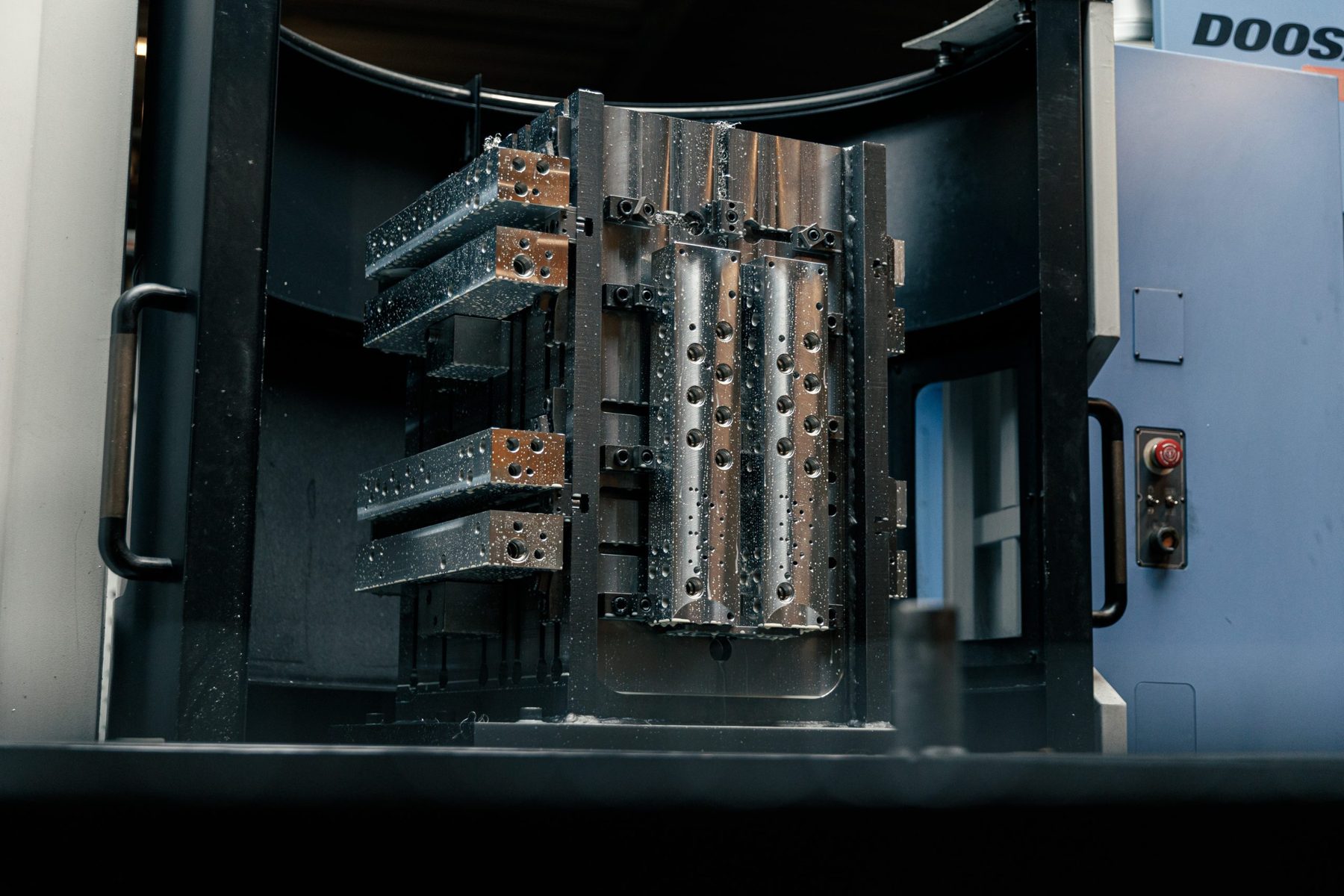
We mill more than 500 tonnes of castings a year, and our FMS with 48 pallets and a high-bay store is built for exactly that type of part: heavy, complex and with many operations. The pallets allow long unmanned runs, which keeps the unit price down even on parts with long cycle times.
Assembly of finished units
Our assembly department can build sub-assemblies or complete units, so the customer receives one assembled component instead of loose parts from several suppliers. That shortens the chain and places responsibility for function in one place.
Operating environment: media, pressure and temperature
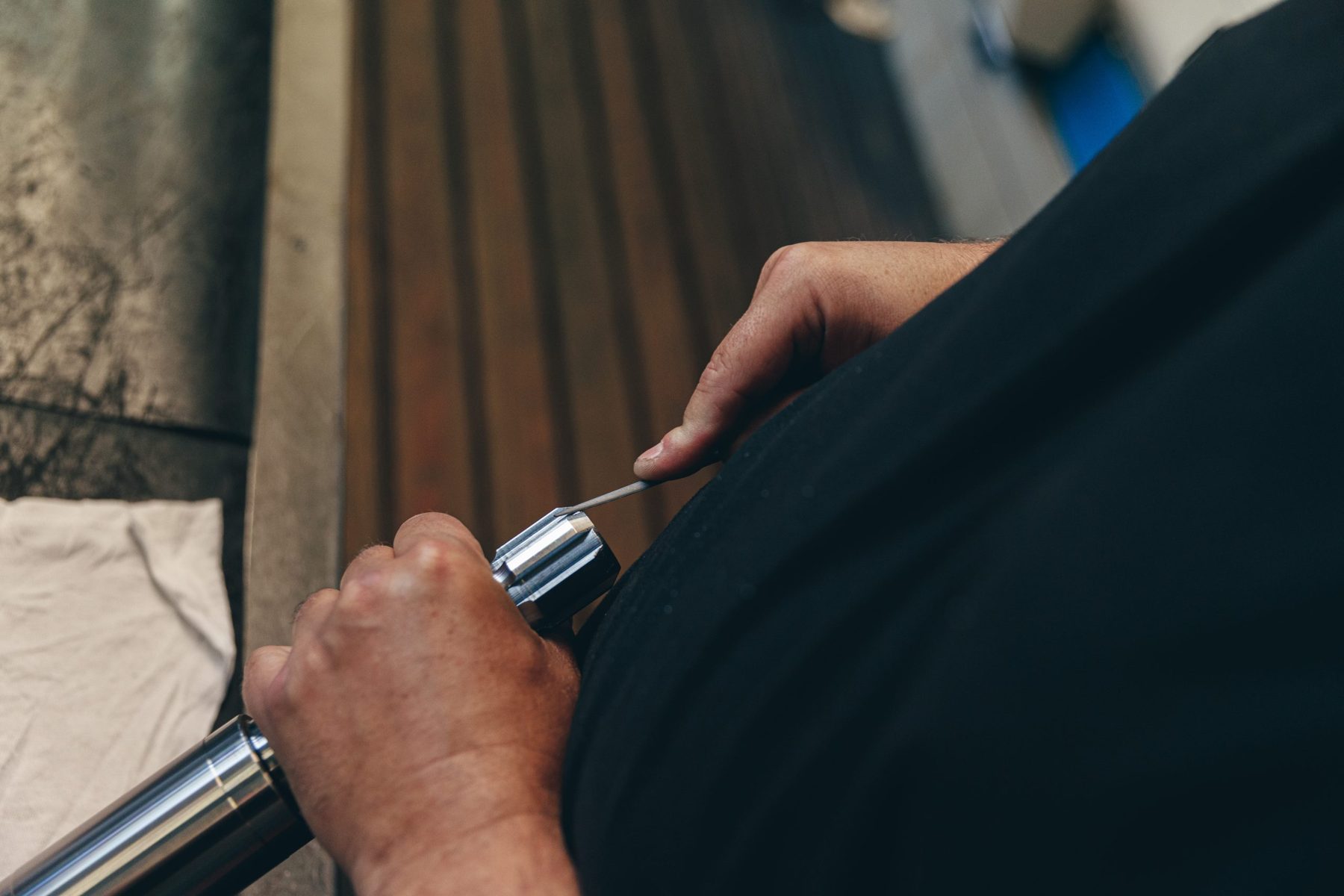
Pumps, valves and fittings often work in media that are anything but forgiving: oil, drinking water, wastewater, chemicals or district heating water at high temperatures. The component must function correctly throughout its entire operating life without changing shape under pressure and temperature loading. We take this into account when selecting fixturing and cutting data, so that residual stresses in the material are minimised, and the workpiece keeps its geometry once it is put into service, not only when it lies on the measuring table.
A pump housing or a valve intended for a district heating plant or a chemical process often experiences temperature cycles several times a day. This places demands on how mating surfaces and threads are executed, so that thermal expansion does not destroy the seal over time. We work closely with the customer's designers on where there should be clearance and where there should be a tight fit, so that the component can expand without losing its function.
Cavitation, erosion and corrosion are among the mechanisms that degrade pump components over time, and they often begin exactly where the surface has a rough edge or a sharp transition. We place emphasis on surface finish in flow paths and deburring of edges that meet the medium directly, so that the component lasts longer than it otherwise would with the same choice of material.
Materials selected according to medium and function
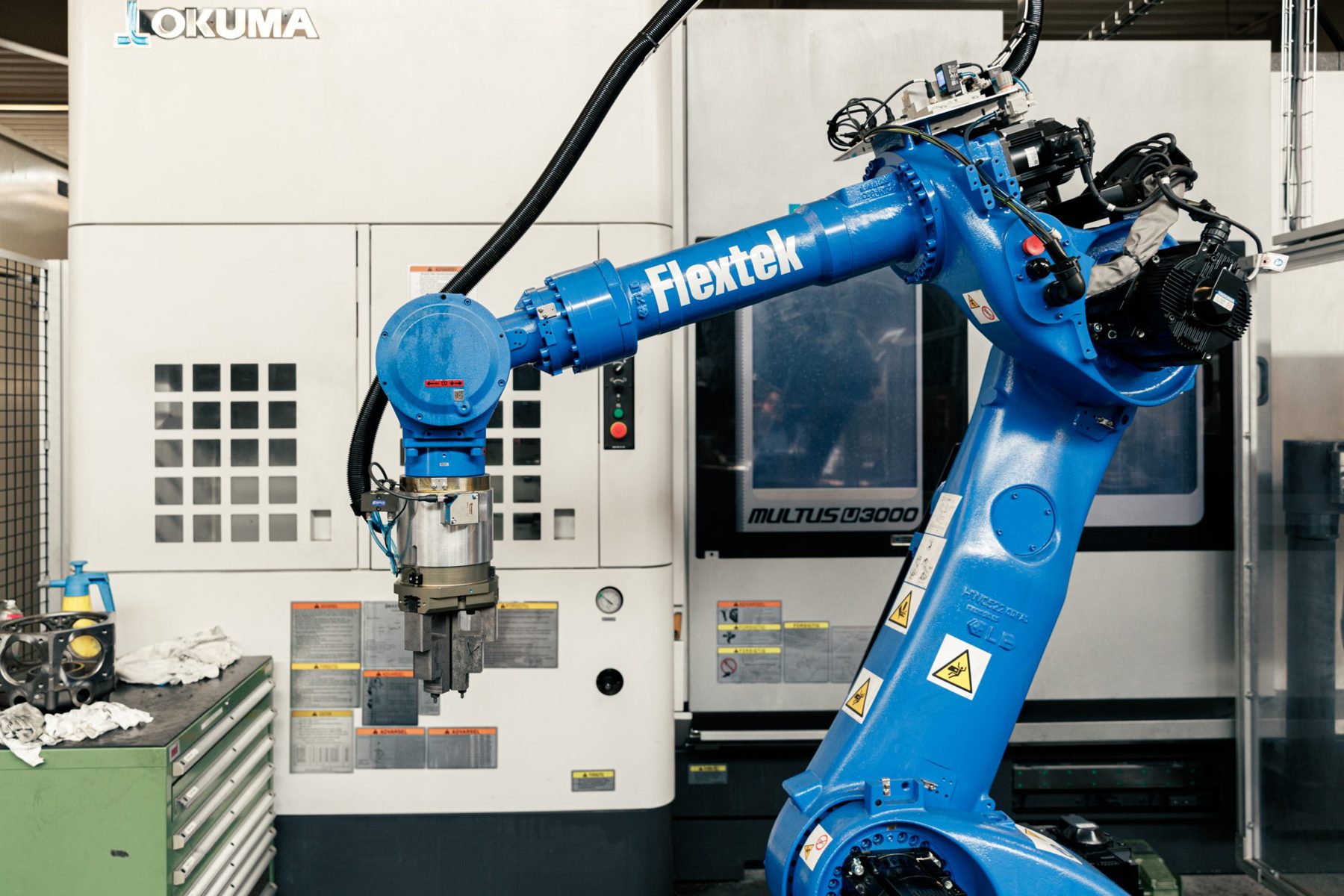
We machine everything from ordinary structural steel to stainless steel, acid-resistant steel, duplex and bronze alloys, chosen according to the medium the component must withstand. An impeller for raw water does not require the same material as an impeller for an acidic process, and the choice affects cutting data, tool selection and the subsequent surface treatment alike. We advise on material selection when the customer is in doubt, based on experience from comparable components.
Castings are a regular part of our daily work in the pump and valve industry. We machine more than 500 tonnes of castings a year, and this requires a different approach from bar stock: the workpiece must be fixtured stably despite variation in the raw casting, and the first cuts must be planned so that they establish the correct reference before finish machining begins.
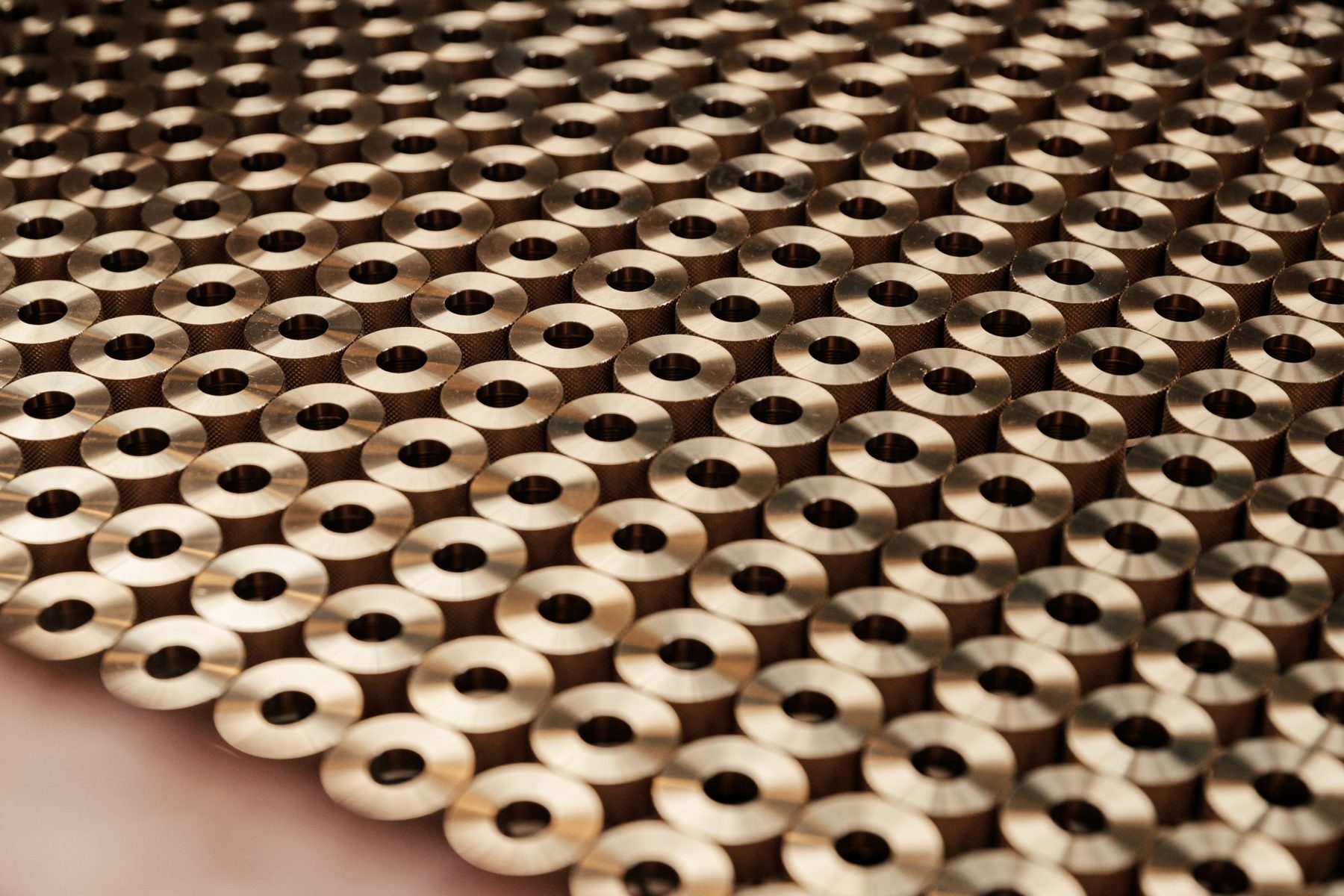
Bronze alloys and other copper-based materials are often used for impellers and bearing surfaces because of their sliding properties and corrosion resistance, but they are also sensitive to heat generation during machining. We have built up cutting data specifically for these alloys, so that the surface comes out clean without smeared material, which is essential for both fit and service life in the finished pump.
Tolerances that determine how parts work together
In a rotating machine such as a pump, it is not the individual dimension but the relationship between several dimensions that determines whether the component functions. Concentricity between bearing seats, squareness between shaft and flange, and an even gap all the way round an impeller are examples of requirements that cannot be read from a single tolerance field on the drawing, but which we factor into the machining strategy itself.
We machine critical surfaces in as few setups as possible, often in one, to avoid shifting references along the way. This gives better relative precision between mating surfaces, seal grooves and bearing seats than if the workpiece had to be turned several times between different machines, and it is precisely this relative precision that the customer experiences as lower noise and longer service life in the finished pump.
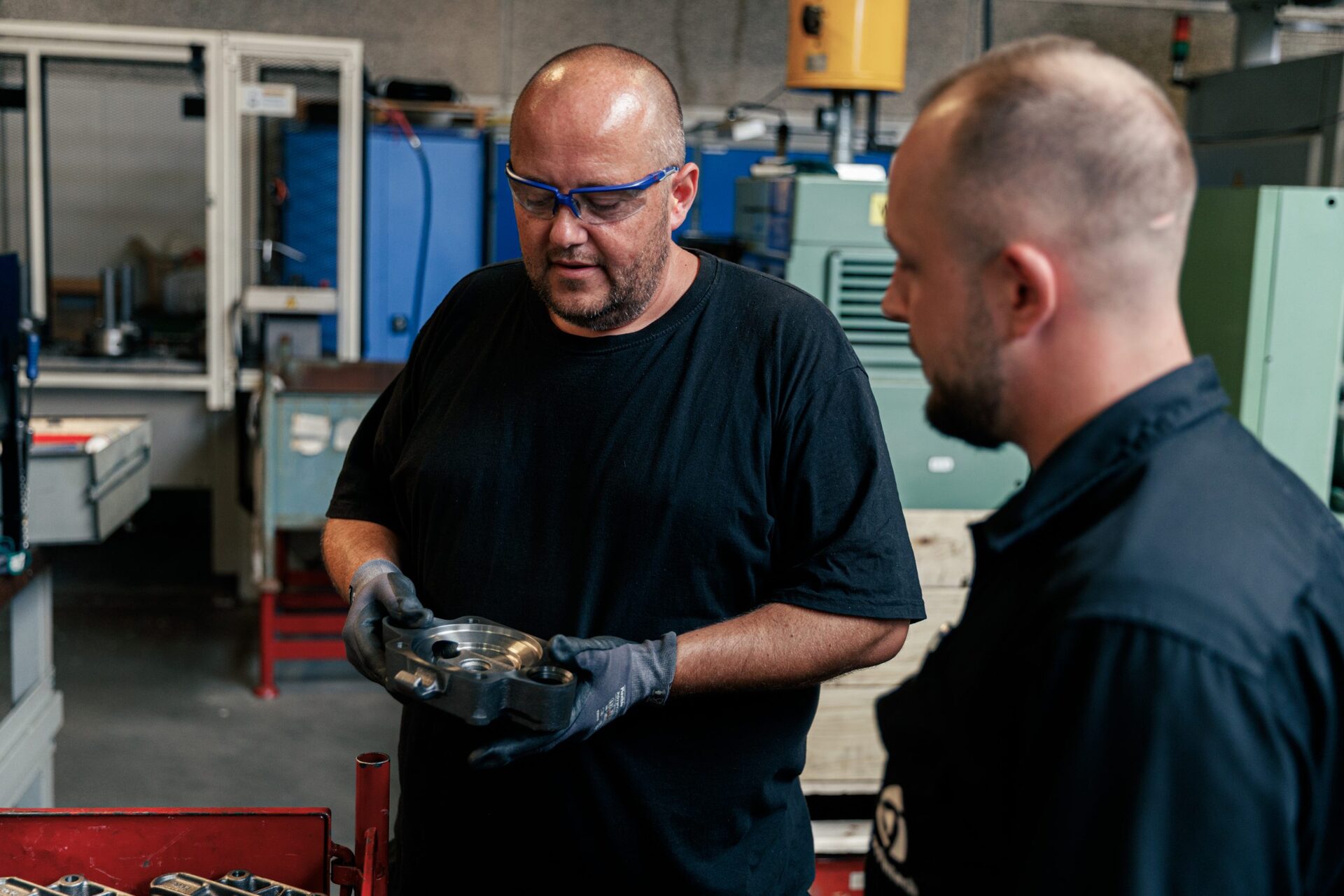
Roundness, cylindricity and flatness are documented on 3D measuring equipment, because these form requirements are often more important for function than any single diameter measurement. A shaft can lie within the diameter tolerance and still cause problems if it is not sufficiently round. We therefore measure form errors as a standard part of the inspection on critical pump components, not only on a sample basis.
Tightness and wear over the expected service life
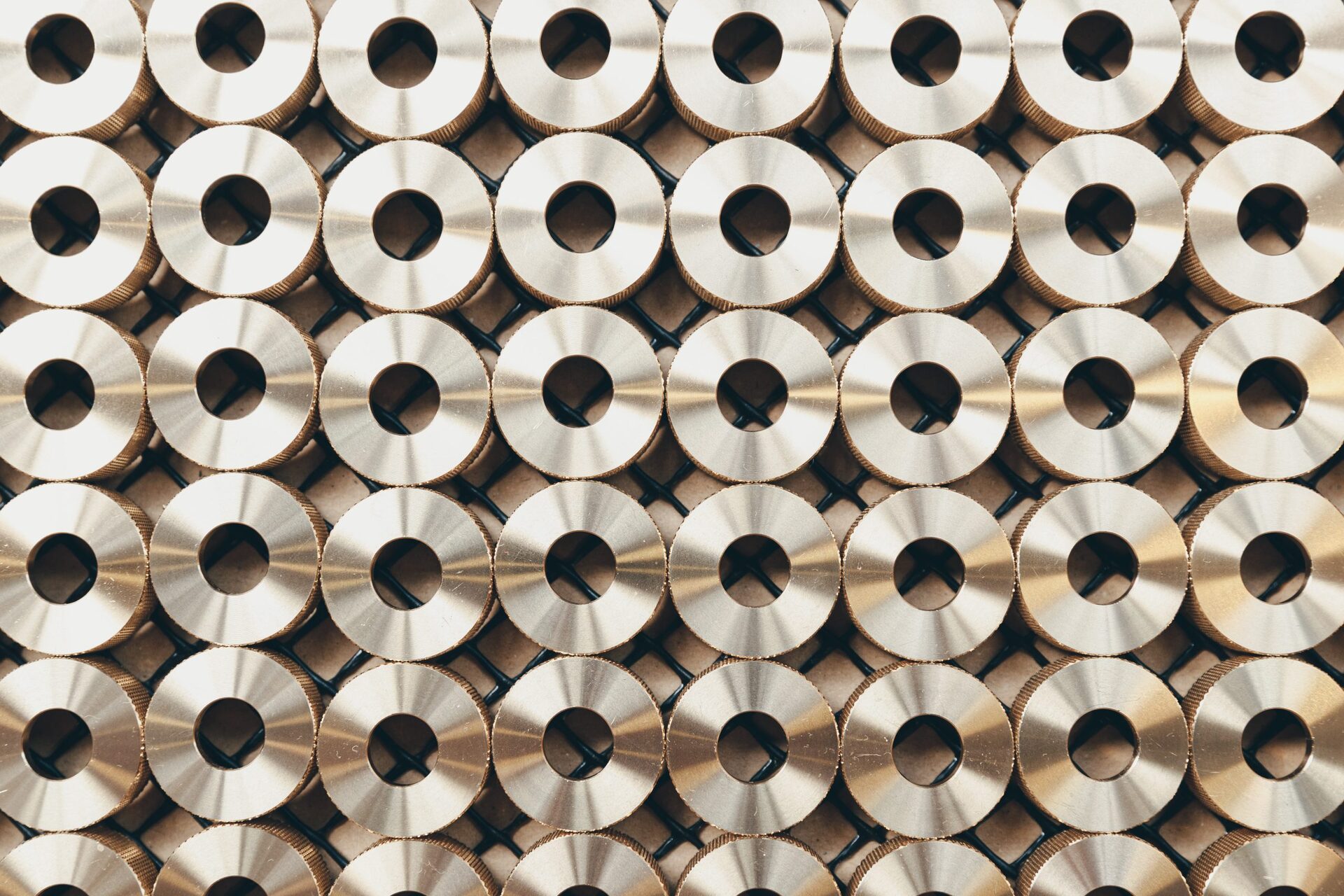
Tightness in a pump or valve depends on the interplay between surface quality, fit and the sealing material used in the joint. We adapt surface finish on sealing surfaces according to whether an O-ring, a flat gasket or a mechanical seal is to be fitted, because the requirements for roughness differ from one type of seal to another, and a surface that is too smooth can be just as problematic as one that is too rough.
Wear tracks in pumps and valves are subject to constant movement against another material, often in a medium containing particles. We work with hardening and nitriding through established Danish partners where the design requires it, and we plan the machining so that dimensions are maintained after treatment. The result is wear surfaces that are dimensioned to last the calculated service life, not merely to pass the first functional test.
We often see that a small adjustment to a radius, a chamfer or a transition between two diameters can significantly extend a component's service life without changing the overall design. We build up this type of experience through repeated series of the same component, and we readily share it with the customer's designers when we see a recurring wear pattern on spare parts returned for analysis.
- ISO 9001 certified quality management since 2015
- 3D measurement of parts and measurement reports as documentation
- Traceability at batch and part level
- SPC in large series and measurement reports on critical dimensions
If you have questions about this content, please contact us at salg@rmfintech.dk.
Documentation that follows the component
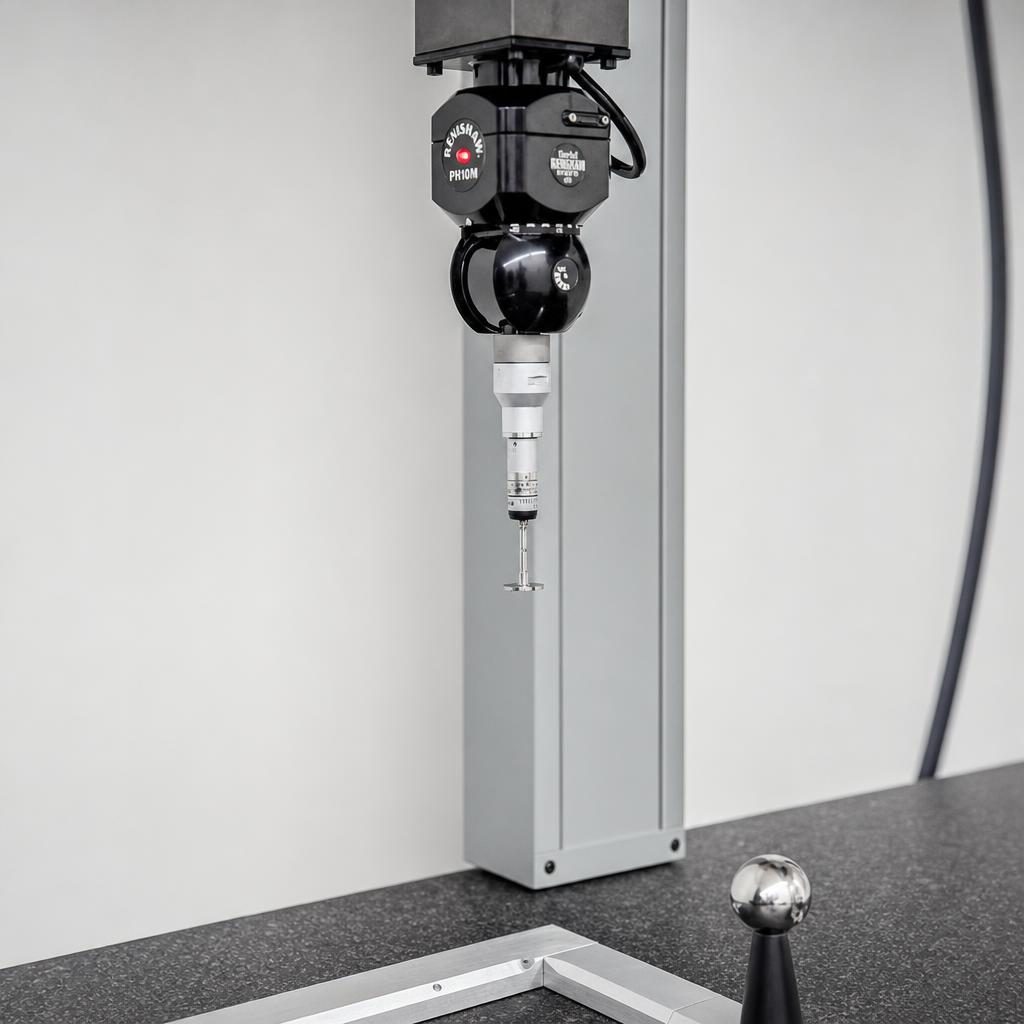
Pumps and valves for critical processes, energy plants or food production often require documentation that follows the component for the rest of its service life. We issue measurement reports on the critical dimensions the customer defines in advance, and we can link material certificates, process history and measurement reports at component or batch level, so that documentation can be retrieved again if a question about a particular delivery arises later.
For large series, we use statistical process control to track how critical dimensions develop from workpiece to workpiece. This allows us to intervene if a bore or diameter begins to drift towards a tolerance limit, long before it becomes a deviation the customer discovers at incoming inspection. Data from SPC can be made available to the customer as part of the delivery, if agreed.
For components that must be approved by the end customer or an authority, we adapt the scope of documentation to the requirement, from a simple delivery note to a full measurement report with traceability back to the material certificate. The scope is agreed before the series begins, so that we do not have to recreate documentation retrospectively if the need changes during a project.
Series production and the aftermarket
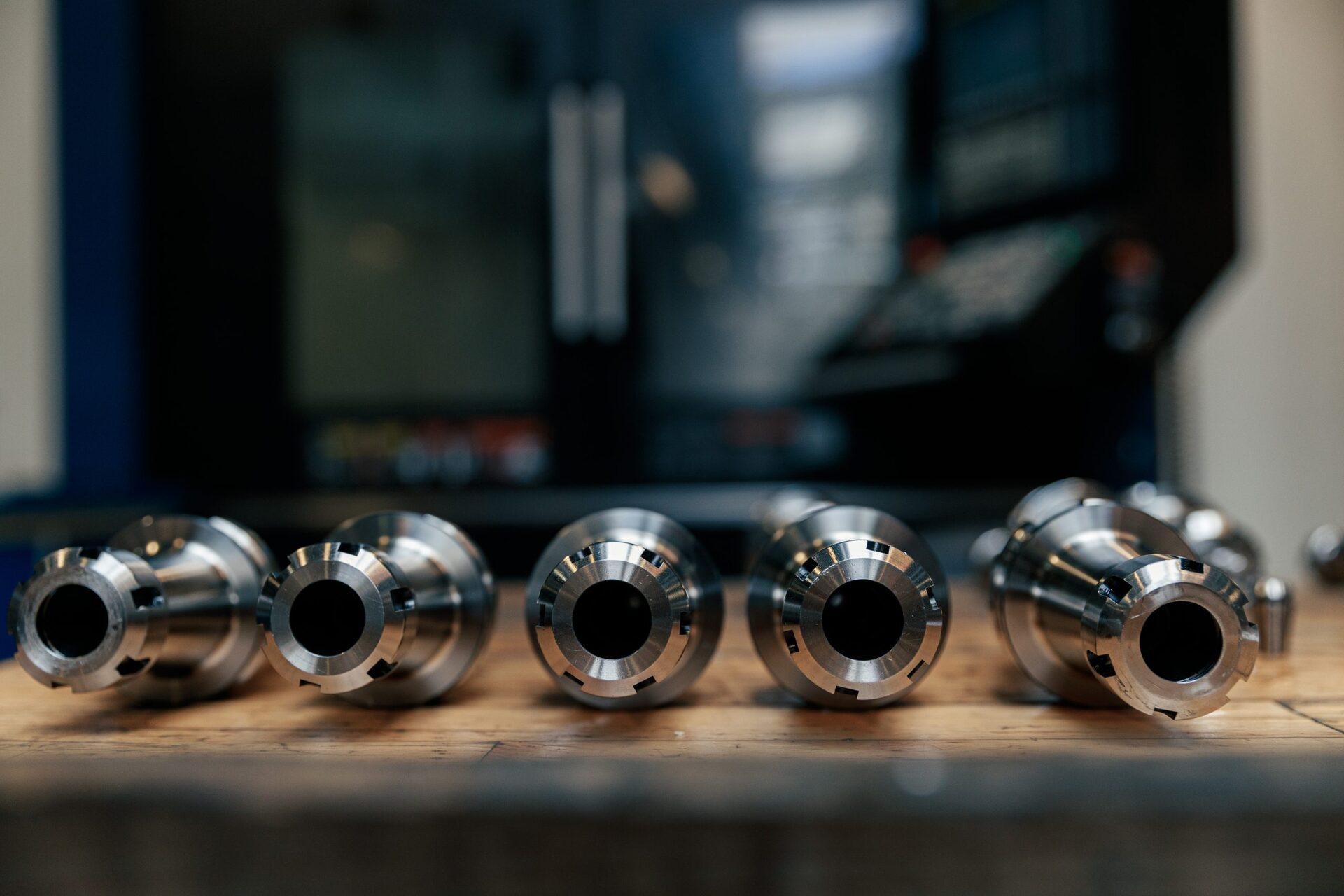
Pump and valve components often remain in service long after the original design has been discontinued by the manufacturer. We archive programs, fixtures and measurement plans, so that a spare part ordered ten years after the first series can be produced identically to the original, without the customer having to keep drawings and specifications for that long period themselves.
The FMS installation with 48 pallets and integrated high-bay storage makes it possible to run long, unmanned series on components with many operations and long cycle times, which is typical for heavy pump housings and fitting parts. This keeps the unit price down on both the original series and later reruns, because the capacity already exists and does not have to be rebuilt each time.
We readily handle both planned series production and the urgent single items that arise when a pump fails in a plant that cannot stand still. The two types of task run side by side in our production, and because machining, assembly and measurement are all under one roof, an urgent item can get through without waiting on external links.
Collaboration and confidentiality
Designs for pumps and valves often contain the customer's own knowledge of performance curves, material choices and geometries developed over years. We treat that knowledge confidentially, store drawings and models with role-based access, and readily enter into a confidentiality agreement before a dialogue about a new component begins.
We are happy to get involved in the design early, while the cheapest changes are still possible. A different placement of a seal groove, a changed radius, or a tolerance that is relaxed in one place and tightened in another can make a component significantly cheaper to produce without changing the pump's performance.
Once the design is locked, we hold it firm throughout the delivery. Programs, fixtures and measurement plans are archived under the customer's order number, and we do not change a process without agreement, even if we could see a technical advantage in doing so. Stability in the process is part of what the customer pays for.
Shall we produce something for your company?
Send us your drawing and we will come back with a technical assessment and a quotation. We accept electronic drawings in most formats and treat all material confidentially.