
Automotive
Series production with stable capacity, short lead times and a competitive piece price through high automation.
- Stable capacity for large series
- Competitive unit cost
- Consistent quality over long production runs
- Security of supply and predictable lead times
Automation keeps cost down
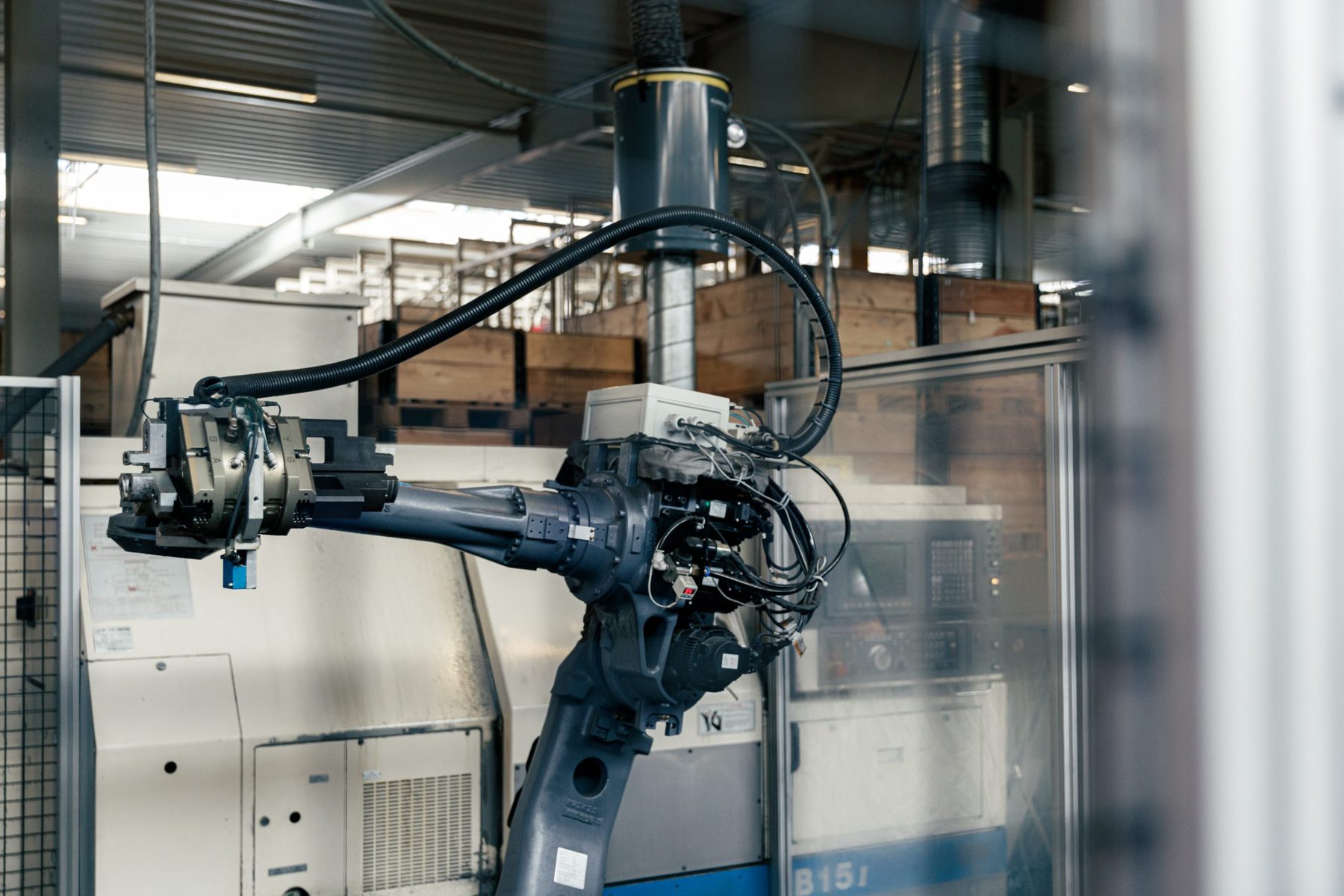
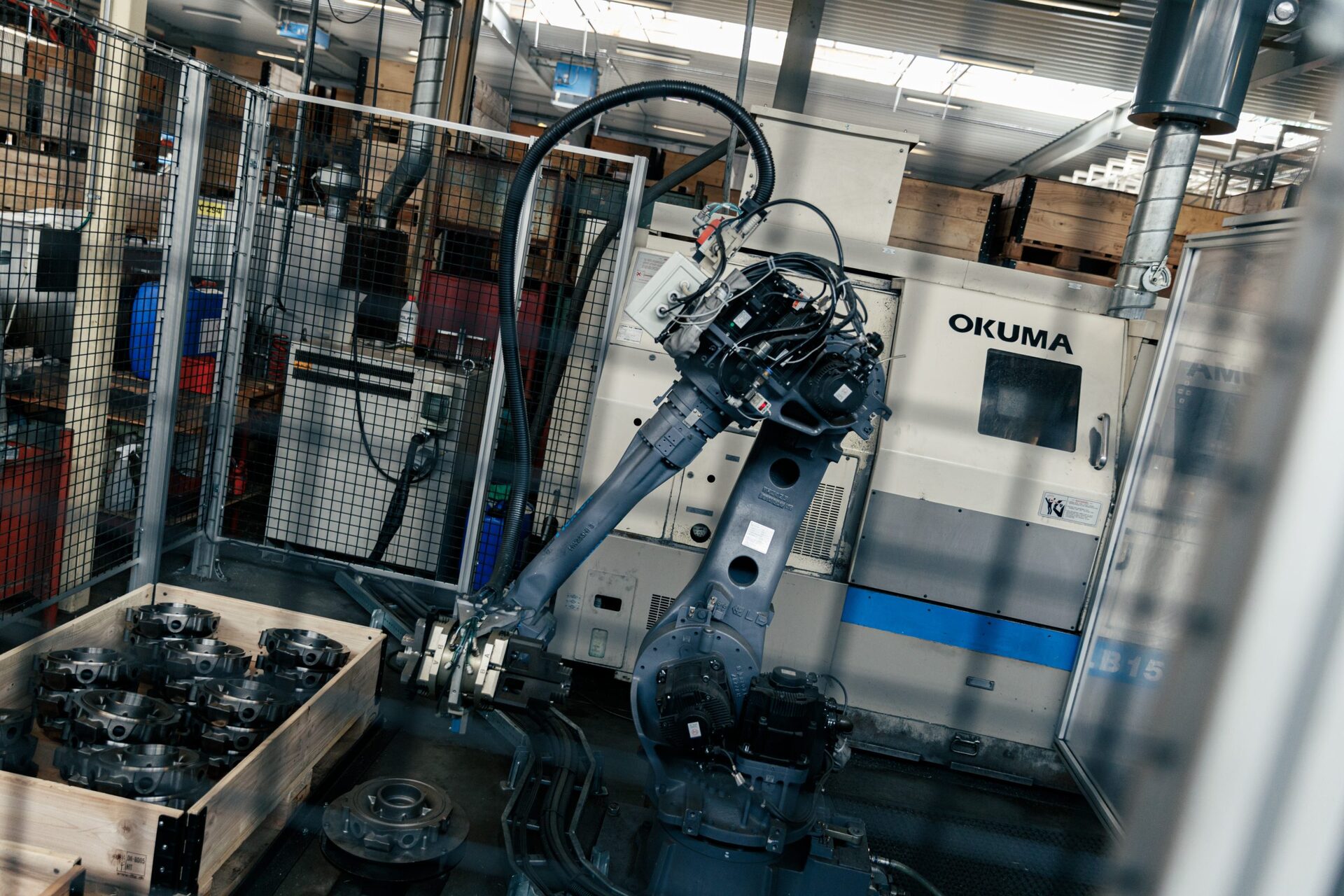
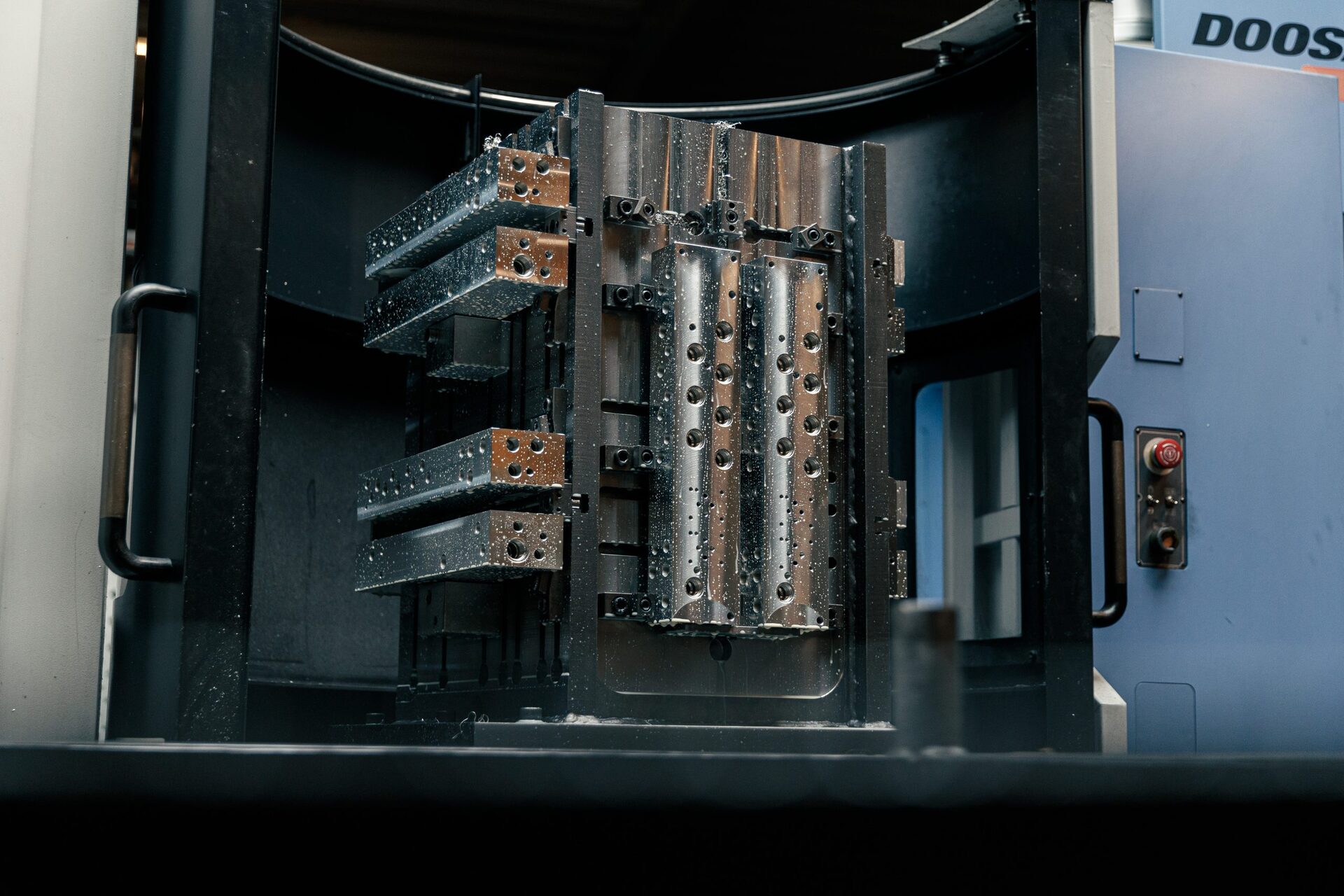
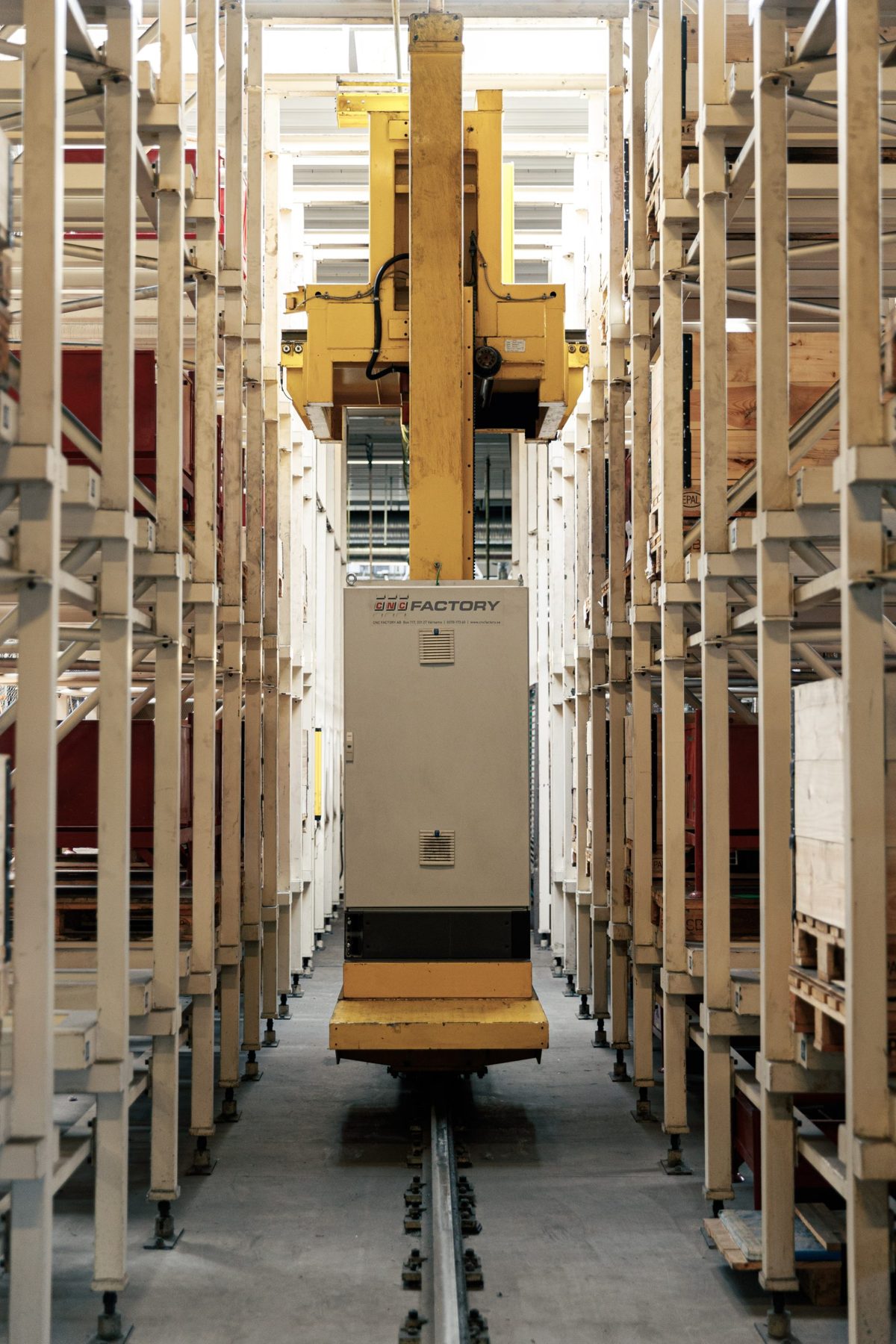
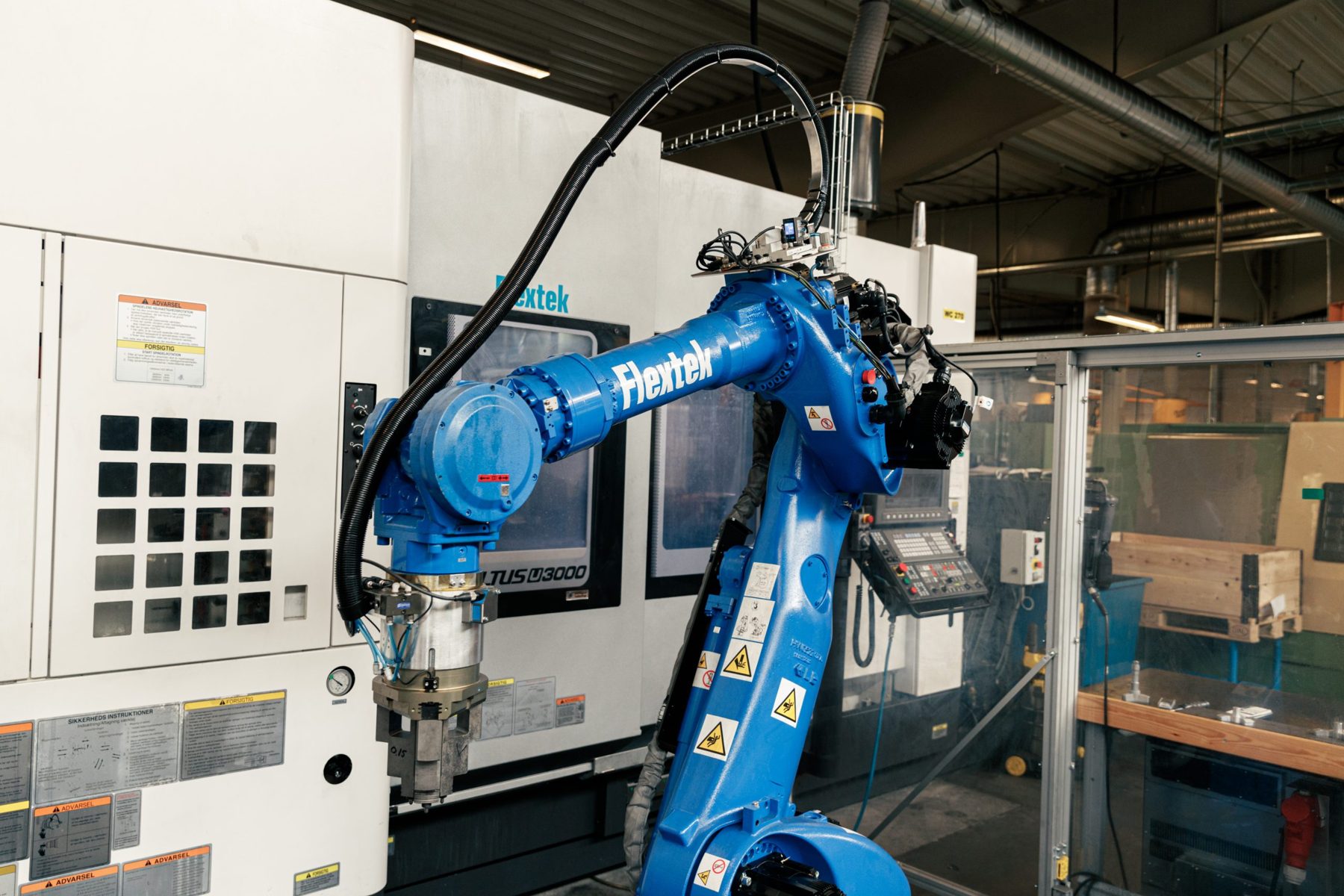
The FMS cell with 48 pallets, robot-tended turning centres and unmanned operation deliver high capacity per employee and therefore a competitive unit cost.
SPC throughout the series
Statistical process control is applied on large series so deviations are caught in the process rather than at final inspection.
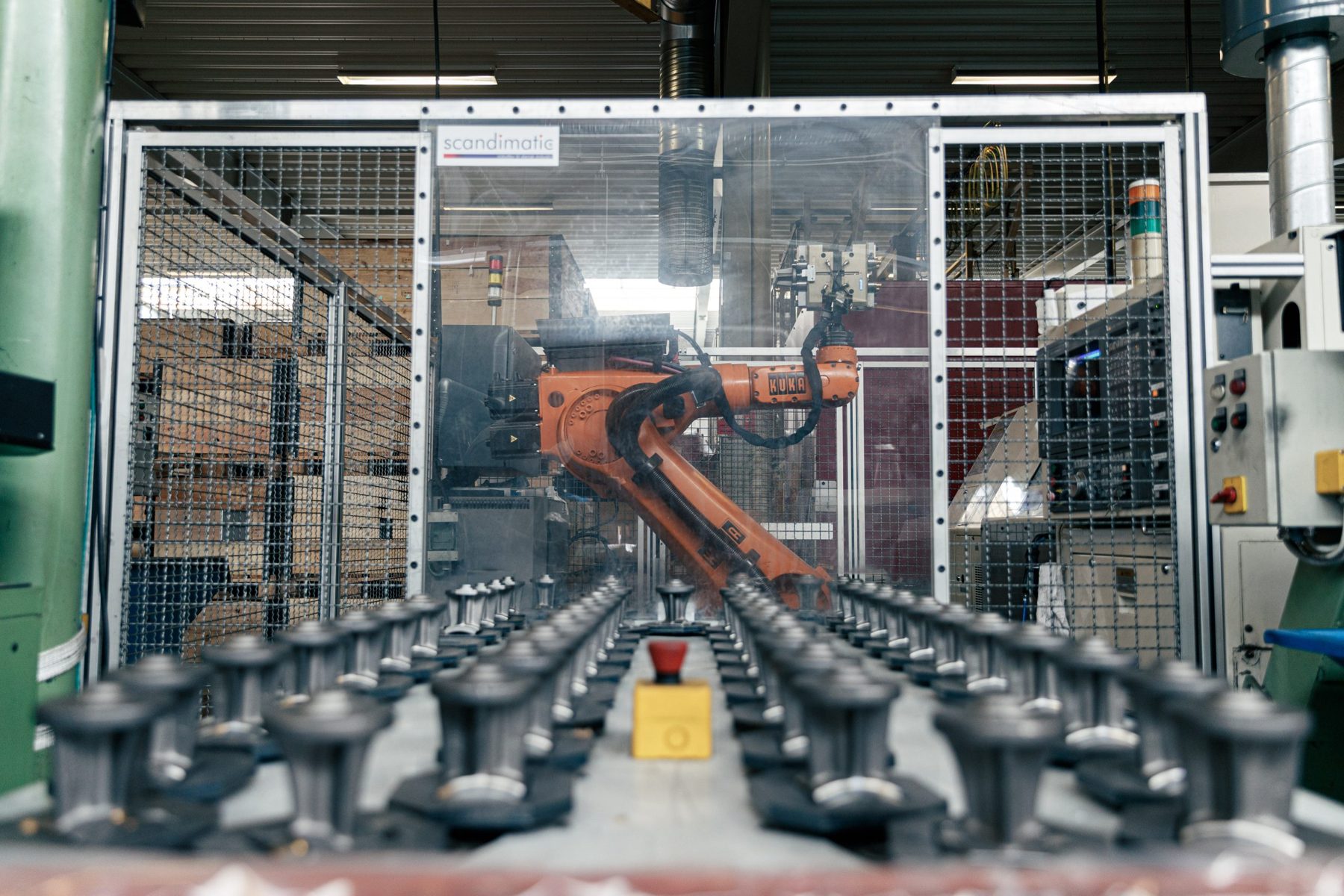
Automated production as the basis for competitive pricing
Automotive parts typically compete on price in a market with narrow margins, and that requires production where working hours are not the limiting factor. Our robot-cell and bar-magazine-fed turning cells and the milling FMS keep machines running far beyond normal working hours, directly reducing unit price in large series.
Automation also means capacity can be scaled up relatively quickly in response to a rise in demand, provided material and fixturing are planned in good time. We are happy to discuss expected volume trends so we can allocate capacity before the need becomes urgent, rather than reacting only once an order is already in hand.
Even in highly automated production, monitoring and process optimisation remain a human task. Our operators follow the process continuously, adjust tooling and cutting data at signs of wear, and intervene before a trend develops into a scrapped series. Automation does not replace craftsmanship, it amplifies its effect.
Managing engineering changes within a standing series
Automotive parts are regularly updated due to design changes, new supplier requirements or optimisation of the finished product. We handle that kind of change as a formal revision of the drawing and production documentation, where the new setup is validated with a trial series before the new revision replaces the old one in standing production.
The transition between two revisions is planned so there is clarity about when the last delivery of the old revision occurs and when the new one starts, including how any remaining stock of the old version is handled. This is agreed specifically with the customer, so there is no doubt about which version is in circulation at any given time.
We archive all previous revisions of the programme and fixture description, so an earlier version can be reproduced precisely if that becomes necessary, for example in a recall or a technical investigation requiring an understanding of how an older version of the part was made.
Delivery reliability and just-in-time-style agreements
Automotive customers often work with tight production schedules, where delayed deliveries quickly have consequences further down the chain. We enter agreements with agreed call-offs and buffer stock, where the customer can draw on a fixed quantity of finished parts at short notice, while we continuously replenish the buffer based on an agreed forecast.
Supporting that kind of agreement requires our own planning of material, capacity and inspection resources to be forward-looking rather than reacting only to the individual order. We follow the customer's consumption pattern over time and adjust the production plan continuously, so the buffer is neither too large nor too small relative to actual need.
In the event of unforeseen disruption, for example a machine breakdown or a material shortage at our own supplier, we notify the customer as early as possible and discuss alternative solutions, rather than waiting until the agreed delivery date approaches. Open communication about risk is part of what we consider good delivery reliability.
Cost optimisation through close technical dialogue
Because automotive parts are often produced in very large numbers, even a small saving per part can have a considerable overall effect. We actively analyse whether a drawing contains tolerances, surface requirements or geometries that make a part unnecessarily expensive relative to its function, and put forward specific proposals for how it could be produced more cheaply without changing its properties.
Material choice often features in that dialogue, because a small adjustment to alloy or part geometry can significantly reduce machining time or extend tool life. We advise specifically based on our own experience with the material concerned, but the final decision to change a specification always rests with the customer.
We are happy to share data on cycle time, tool consumption and yield for a given process, when it can help the customer understand where the cost in a unit price actually comes from. That transparency enables a constructive dialogue about where a saving can realistically be found.
- ISO 9001 certified quality management since 2015
- SPC on large series
- 3D measurement and measurement reports
- Supply agreements, kanban and call-off from stock on agreement
If you have questions about this content, please contact us at salg@rmfintech.dk.
Statistical process control and ongoing capability documentation
In automotive it is common to require documented process capability, not just tolerance compliance on the individual part. We apply statistical process control in large series and can supply periodic capability reports showing how stable and centred a process is over time, in the format and at the frequency the customer requests.
When a process shows signs of drifting towards a tolerance limit, it is adjusted before it affects delivered parts, and the event is documented as part of ongoing quality follow-up. That makes it possible to demonstrate a consistent history over a long period, which is often a precondition for retaining status as an approved supplier.
We update capability documentation whenever tooling, material or fixturing changes, so it always reflects the current process. Historical data is archived so a trend over several years can be analysed if the customer wants to understand how a process has developed over the product's entire service life.
Component assembly integrated into the delivery
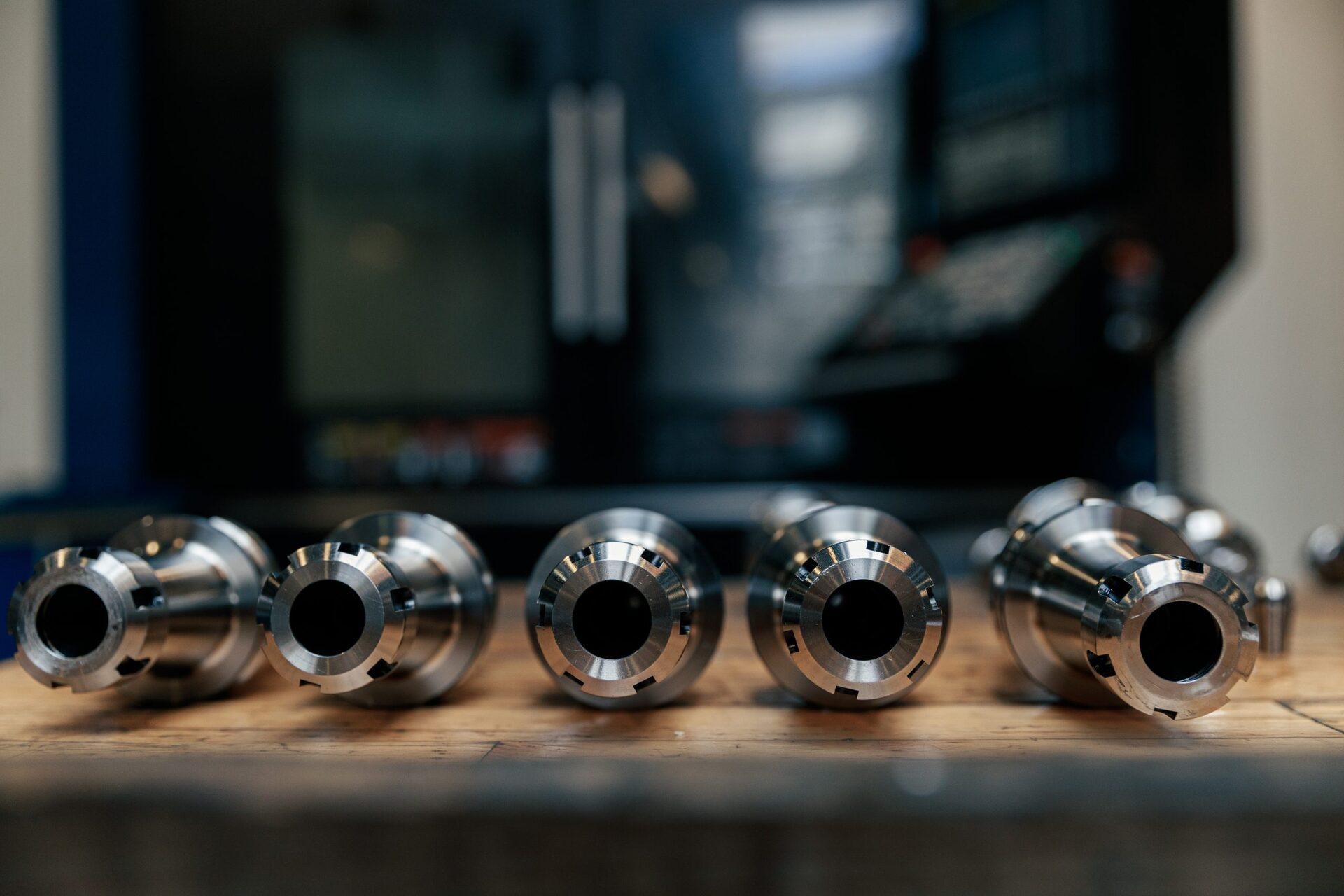
Some automotive customers ask not just for the machined part but for a partly or fully assembled unit that can go straight onto their own line. Our assembly department handles that kind of work in close connection with machining, so parts already measured and approved go straight into assembly without unnecessary intermediate storage.
For series with a high takt rate, assembly is organised with fixed workstations and standardised workflows matching the pace the customer works to, so the delivery can flow into the customer's production without creating bottlenecks on the customer's own line.
Functional testing of the assembled unit is agreed based on which function is critical to the finished vehicle or component, and documented in the same systematic way as other measurement results, so the customer has full insight into what has been checked before the unit leaves our building.
Long-term capacity planning together with the customer
Automotive programmes often span several years with an expected volume curve that rises, peaks and falls again in line with the finished product's life cycle. We plan our own capacity around that curve when the customer shares it with us, so investment in tooling and fixturing follows actual need, neither too early nor too late.
Towards the end of a programme's life, as volume falls, we adapt the production method so unit price does not rise unnecessarily even at lower quantities. That can mean moving from a fully automated setup to a more flexible, less capital-intensive process once the total quantity no longer justifies the original investment.
We are happy to discuss how a closing phase or the eventual phase-out of a programme is managed, including whether a final buffer of spare parts should be produced before tooling and fixturing are potentially taken out of service. That kind of planning gives the customer confidence in supply right up to the programme's end.
Shall we produce something for your company?
Send us your drawing and we will come back with a technical assessment and a quotation. We accept electronic drawings in most formats and treat all material confidentially.