
Milling
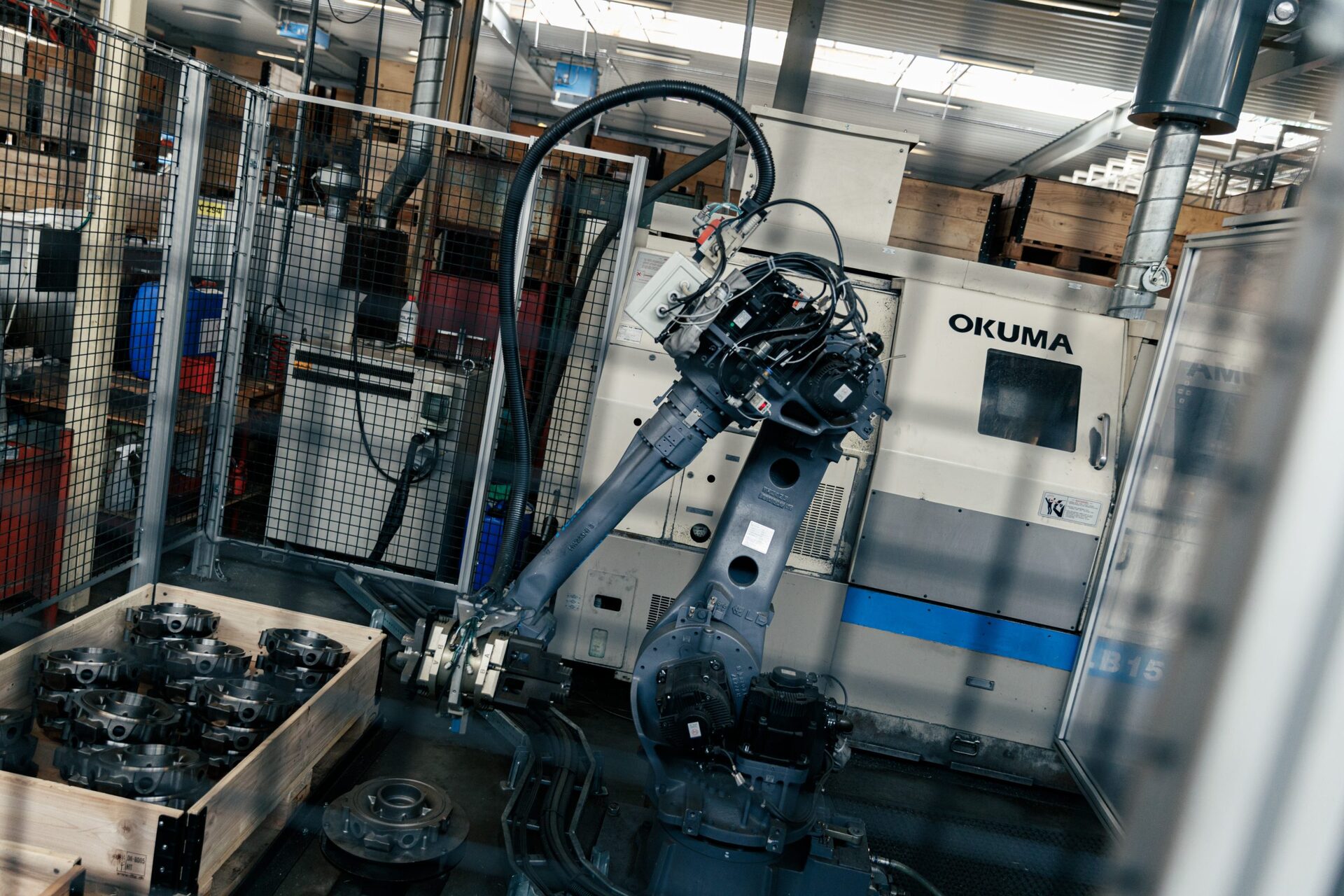
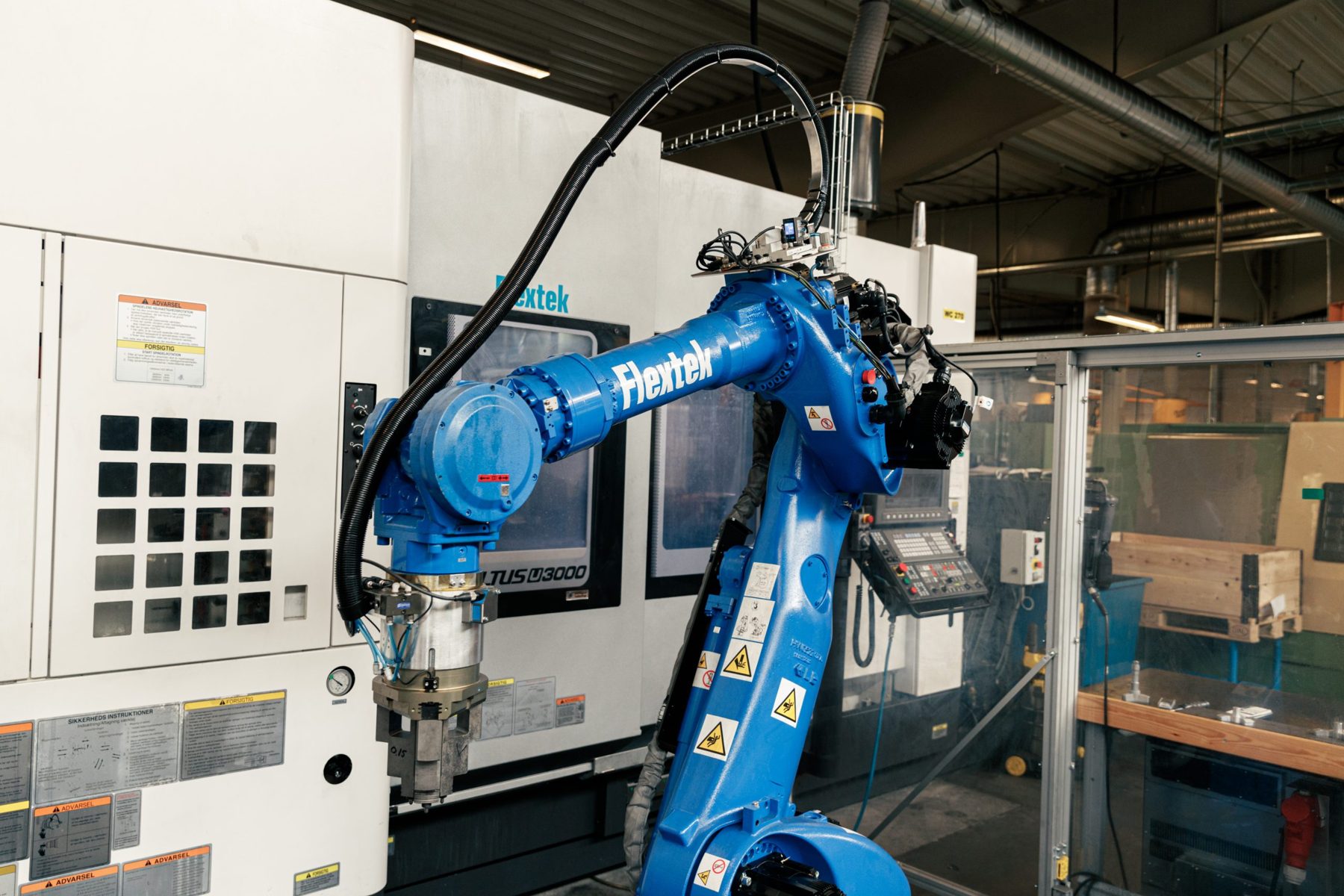
4-axis CNC milling on an FMS cell with 48 pallets and integrated high-bay storage. We mill more than 500 tons of cast iron per year.
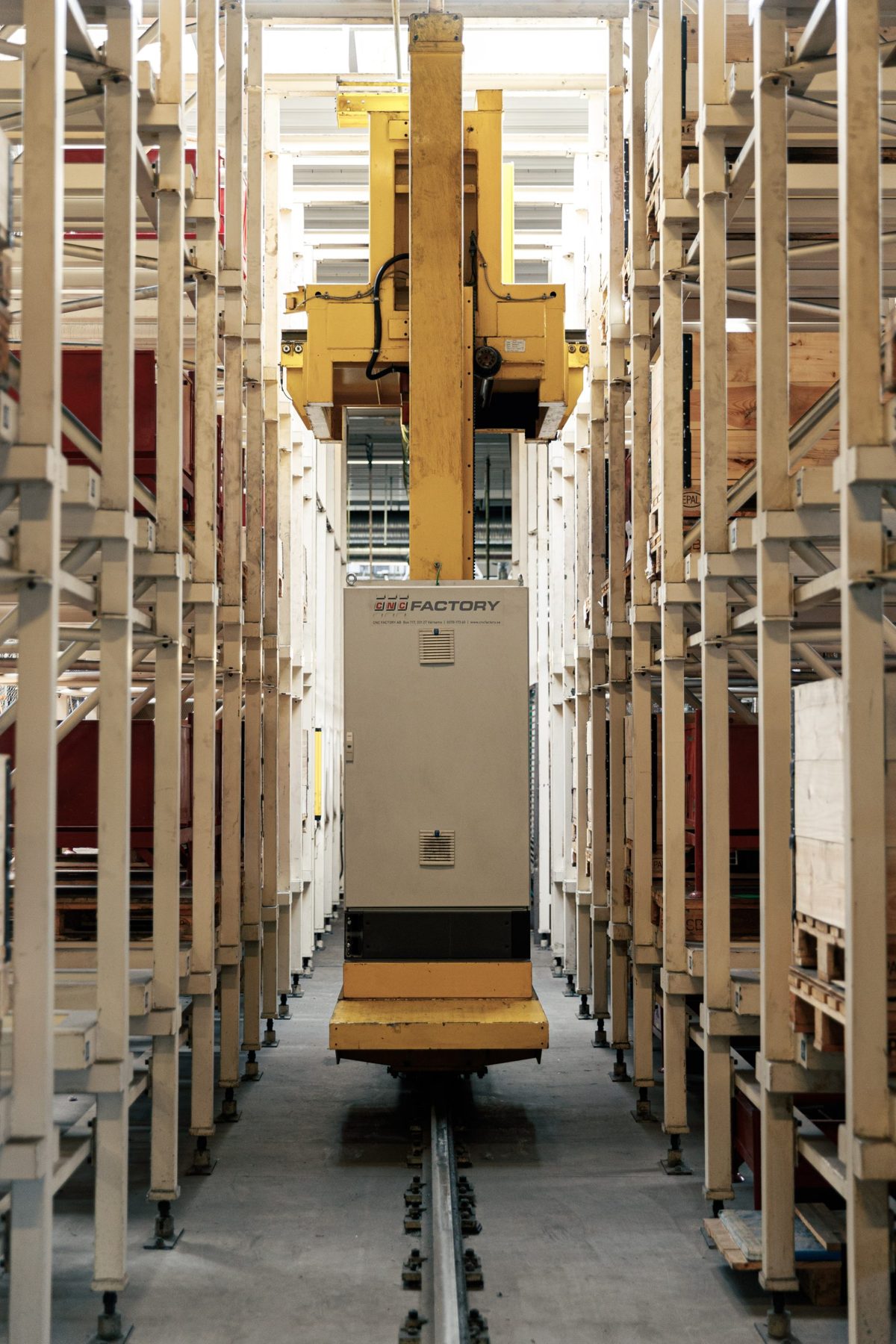
- FMS cell with 48 pallets and integrated high-bay storage
- 3 × Niigata HN500 machining centres in the FMS
- Doosan machining centre with 7 pallets (650 × 650)
- 4-axis milling
- Drilling with 70 bar high pressure
Cast iron in series
Pallet-driven production makes changeover fast and operation unmanned, giving stable capacity on heavy cast parts and short lead times.
- Cast iron
- Structural steel
- Stainless and acid-proof steel
- Aluminium
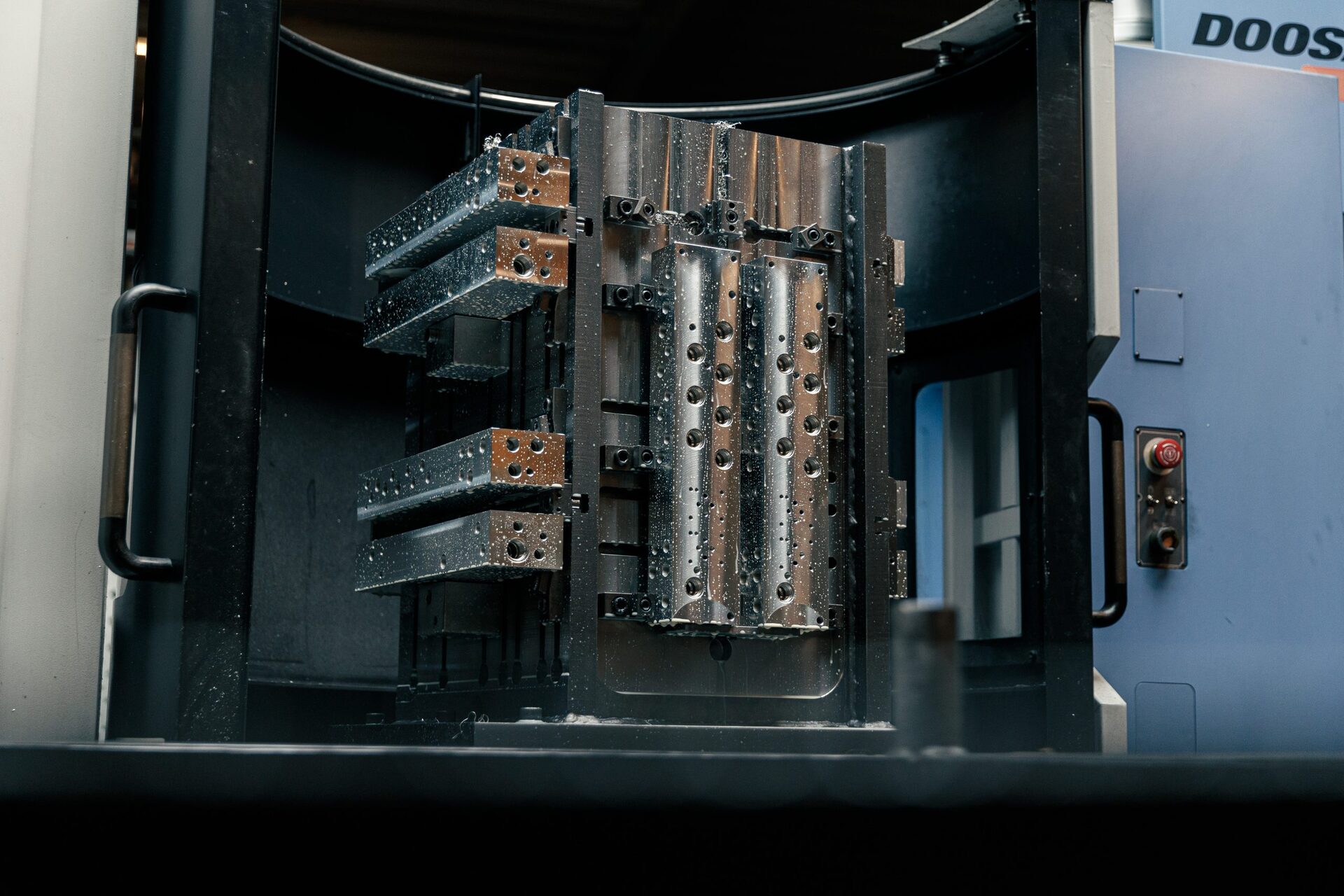
The Niigata machines as the backbone of the FMS
The three Niigata HN500 horizontal machining centres form the core of our FMS and were chosen specifically because they can be served fully automatically by the system's 48 pallets and integrated high-bay store. Horizontal machining gives good access to several sides of the part and efficient chip evacuation, which is essential when the machines have to run unmanned over long periods without manual cleaning in between.
Because the three machines are of the same type, jobs can be moved between them without reprogramming from scratch, giving planning flexibility if one machine is occupied with another order. It also means maintenance can be scheduled so that one machine is taken offline at a time without stopping production across the whole system.
The combination of three machines under one FMS control means the system as a whole can maintain a high and stable utilisation rate, even when the order picture varies. The system distributes jobs between the machines based on current load, so none of them stand idle while another is overloaded.
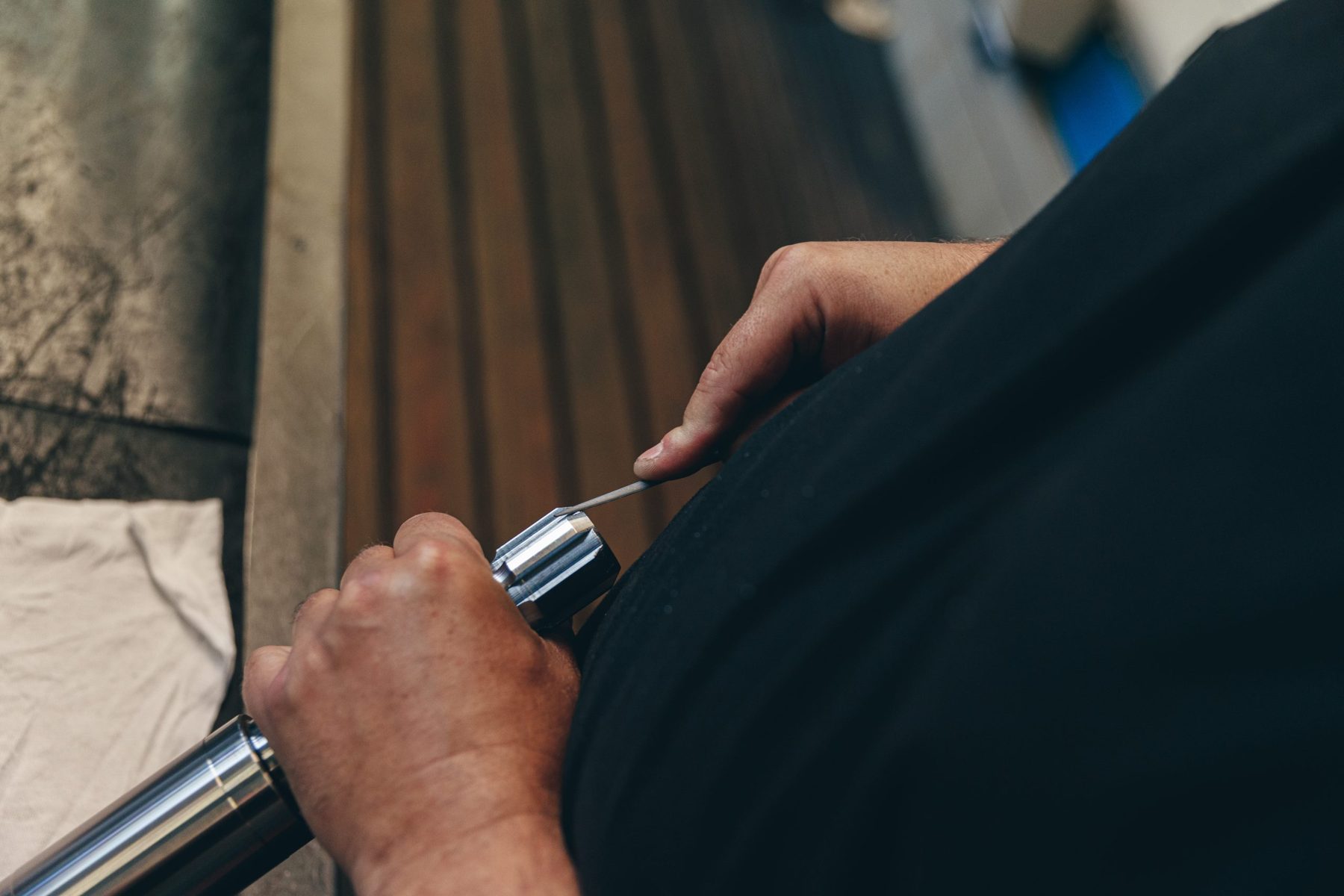
The role of the high-bay store in planning and capacity
The integrated high-bay store in the FMS makes it possible to prepare a large number of pallets in advance and let the system fetch the right pallet when a machine is ready. That means we can plan production days ahead without depending on an operator physically moving parts between store and machine at the moment they are needed.
The capacity of more than 500 tonnes of castings per year is a direct consequence of this setup. By separating pallet preparation from actual machining time, the system maintains a high utilisation of machine time, because the machines rarely wait for a new job to be manually prepared.
The high-bay store also provides a buffer that makes production more robust against fluctuations in order volume. When a customer calls off a larger quantity than usual, several pallets of the same part type can be prepared and queued in the store, so the machines can work through the order without unnecessary pauses between batches.
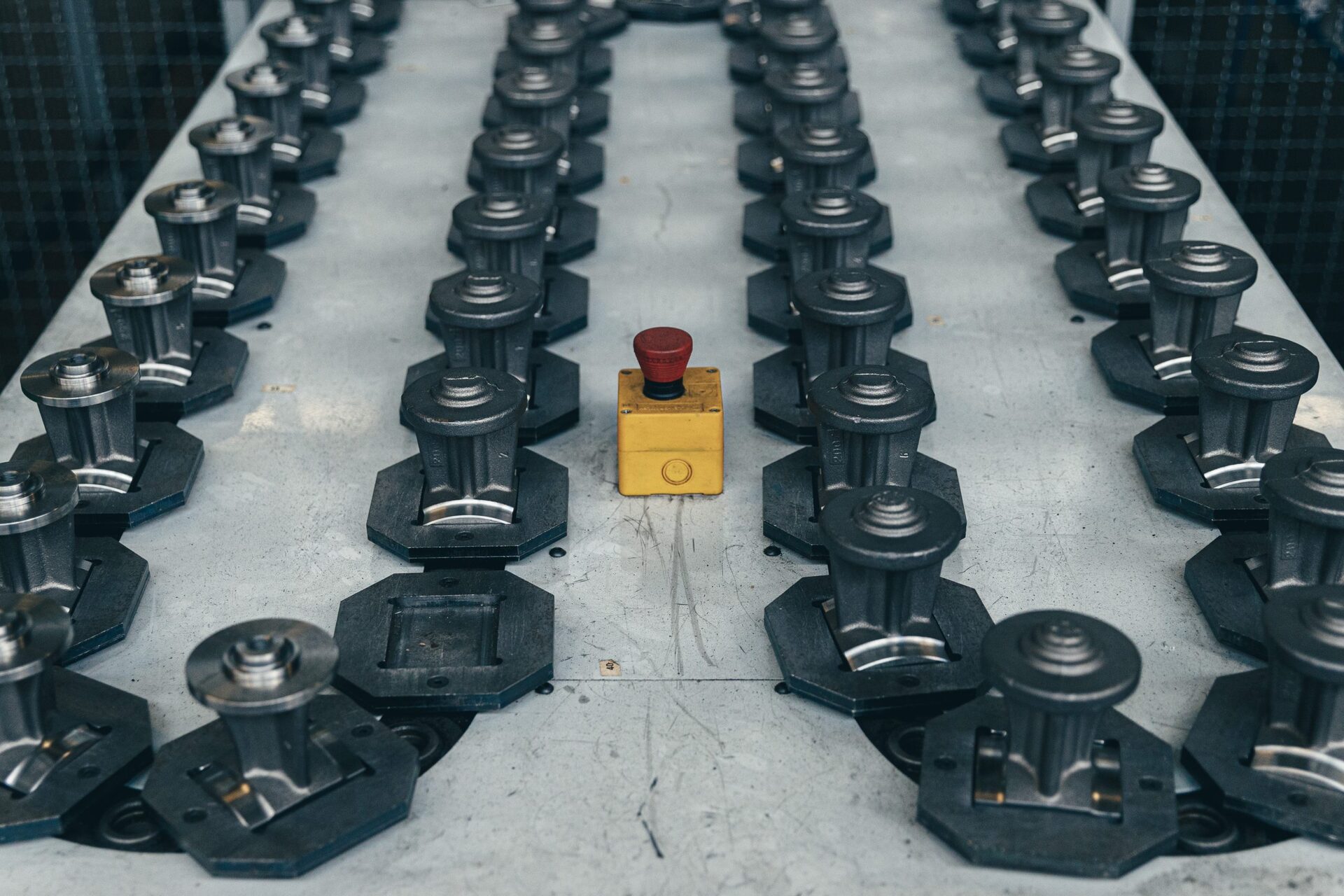
The Doosan machine for jobs requiring more frequent changeover
The Doosan horizontal machining centre with seven pallets and a 650 × 650 mm working envelope covers the part of the workload where parts are more varied, or where volumes are too low to justify a permanent slot in the FMS. With seven pallets, several different jobs can be prepared at once, giving shorter response time when a customer needs a quick changeover between part types.
This machine is often used for prototypes, smaller series and parts that have not yet matured to run in the large, automated flow. Once a part has been tested and proven stable, production can in many cases be transferred into the FMS if volumes grow enough to make it economically advantageous.
The flexibility in this part of the milling department means we can accept jobs at short notice without disrupting planned production in the FMS. That gives customers fast responses to urgent jobs, while the large standing series continue undisturbed.
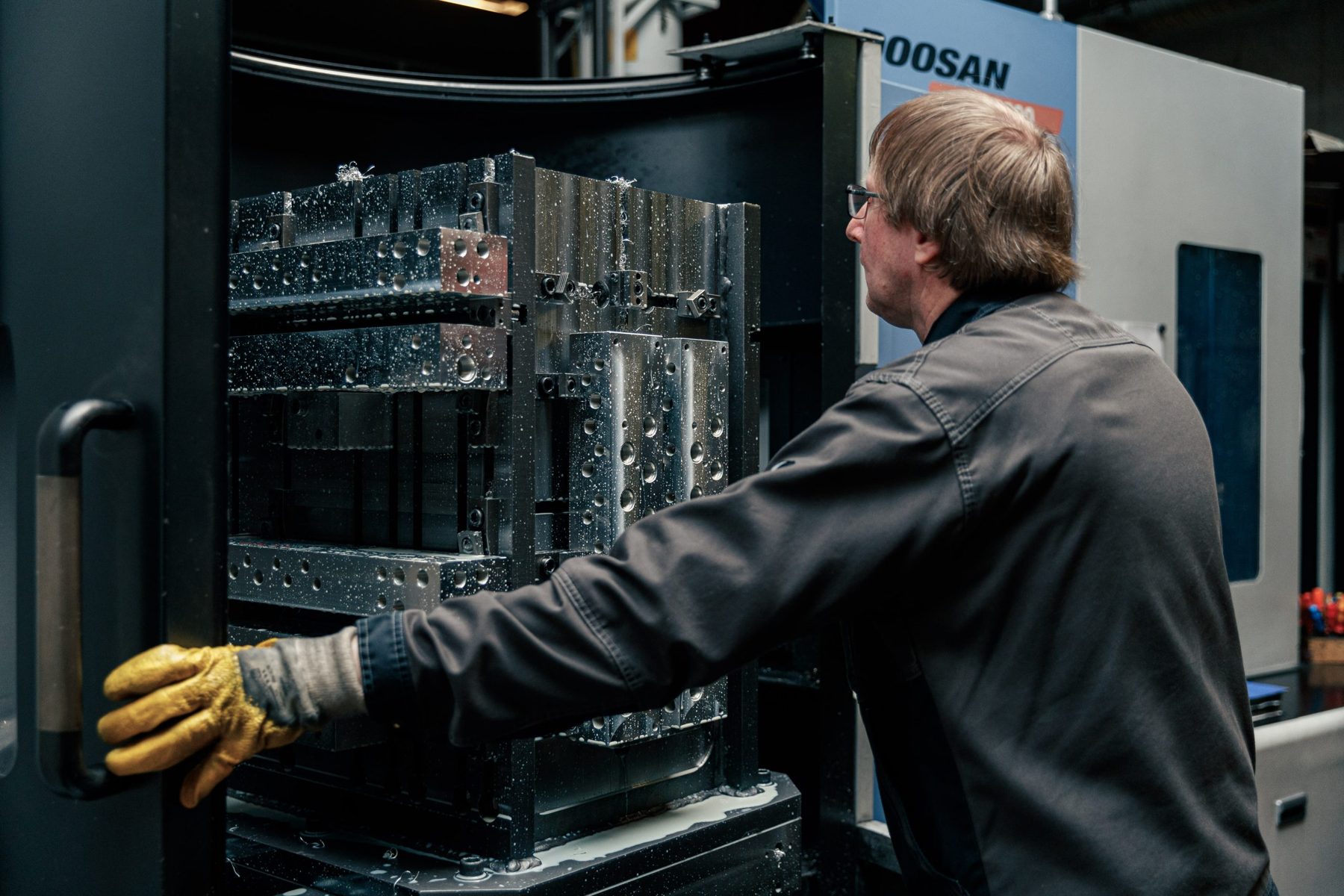
Vertical machining centres for complementary jobs
Alongside the horizontal machines, we operate a range of vertical machining centres used for part types where a vertical setup gives more natural access to the part's geometry, or where part size does not fit the FMS pallet system. This part of the machinery complements horizontal machining and lets us accept a broader range of jobs in-house.
The vertical centres are often used for single units, smaller series and jobs requiring a quick setup without the automated pallet system. That makes them well suited to prototypes and to parts where the customer's drawing is still under development and small adjustments are expected between each unit produced.
Although the vertical centres are not connected to the FMS's automation, they follow the same standards for programming, tool management and documentation as the rest of the milling department. That ensures a part later transferred from a vertical centre to the FMS can be moved across without a completely new development process.
Standardisation of fixtures and zero points
A precondition for setting up pallets while the machine runs another job is that fixtures and zero points are standardised across part types as far as possible. We work systematically with fixed reference points and reusable clamping tools, meaning a new pallet can be prepared without designing a unique fixture from scratch each time.
Standardisation also extends to tool sets, which are prepared and checked before a setup begins, so the machine does not have to stop waiting for a tool that is not ready. Tool data is recorded in the system so a specific tool set can be unambiguously linked to a specific job, reducing the risk of mix-ups.
The systematic approach to fixturing and tooling turns changeover time into a planning task rather than a production stop. When a customer calls off a new batch of a known part, the corresponding pallet can be prepared while the machine still works on the previous job, minimising the time the machine actually stands idle between orders.
Four-axis machining and reducing the number of operations
Four-axis machining gives access to several sides of the part within a single setup, meaning a part that would otherwise require two or three separate setups can often be completed in one. That not only reduces lead time but also improves the mutual tolerances between features on different sides of the part, because there is no re-clamping between steps.
The decision on whether a part should be machined in three or four axes is made early in process planning, based on the part's geometry and the tolerance requirements stated on the drawing. Four-axis machining requires more extensive programming and simulation in advance, but the extra effort typically pays off in fewer operations and more stable quality throughout the series.
For parts with features on several sides that must fit precisely together in a subsequent assembly, four-axis machining is often the only way to guarantee the necessary mutual precision. We are happy to advise on when this machining form makes sense, and when a simpler setup is sufficient and cheaper.
Programme archiving and re-running earlier orders
All programming for the milling department is done in Mastercam based on electronic drawings and 3D models, and the finished programmes are archived systematically together with fixture data and tool lists. This means a previously produced part type can be put back into production at short notice without repeating the programming from scratch.
The archiving is especially valuable for customers with spare-parts needs, where a given part may only be produced in small numbers with several years between orders. Here systematic archiving means the customer can expect the same quality and the same dimensions on a repeat order, regardless of how much time has passed since the last production run.
When a re-run is ordered, the archived programme and its accompanying documentation are reviewed to ensure any changes to the drawing since the last run have been incorporated correctly. That check is carried out before production starts, so a re-order is never mistakenly produced against an outdated version of the drawing.
Shall we produce something for your company?
Send us your drawing and we will come back with a technical assessment and a quotation. We accept electronic drawings in most formats and treat all material confidentially.