
Medical
Precision parts for the medical device industry in stainless/acid-resistant steel, engineering plastics and aluminium with full measurement documentation.
- Fine tolerances and reproducible processes
- Clean, burr-free surfaces
- Material documentation and traceability
- Validatable and stable production
Small, complex parts in series
Swiss turning up to ø32 mm and automatic turning allow small, complex precision parts to be produced in high volumes with consistent quality.
Materials for medical devices
We machine stainless and acid-proof steel, aluminium, POM and other engineering polymers, the materials the medical industry typically uses.

Cleanliness and contamination control in production
Components for the medical industry often have to be delivered free of residues from cutting fluid, chips or particles that could cause problems in the customer's own cleaning or sterilisation process. We adapt cleaning and packaging of the part to the agreed cleanliness level, and we document which cleaning process was used, so the customer can validate that it matches their own requirement.
For parts with particularly high cleanliness requirements, for example implant-adjacent components, we agree a specific handling procedure that limits how many times the part is touched without gloves and how it is stored between operations. That kind of requirement is documented on the production order, so everyone handling the part knows the procedure.
Packaging is chosen to protect against contamination during transport and storage at the customer, often in sealed bags or trays that are only opened in the customer's own controlled environment. The packaging material and design are agreed with the customer, especially if the part is to enter a clean room or a sterile process later in the chain.
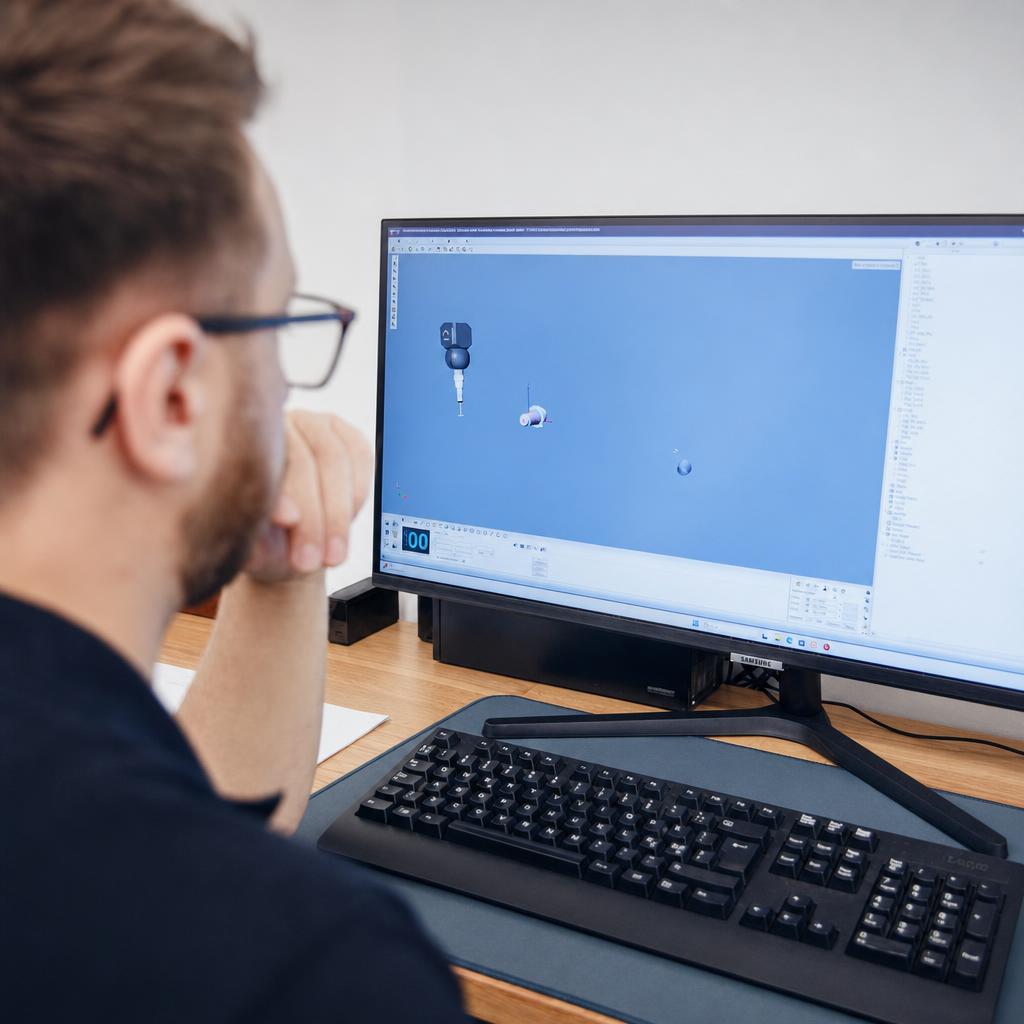
Materials for implants, instruments and single-use devices
We machine medical-grade stainless and acid-resistant steel, titanium alloys for implant-adjacent and tissue-contacting components, and engineering plastics such as POM and PEEK, where the material must withstand repeated sterilisation or contact with bodily fluids. Each material requires its own approach to cutting data, cooling and finishing to avoid introducing stresses or surface damage that could cause problems later.
For instruments intended for reuse after sterilisation, surface quality is critical to both function and durability. A rough surface can hide biological material during cleaning, and sharp transitions can create stress concentrations leading to fatigue failure after repeated use. We machine and, where relevant, polish the part so it meets the functional standard.
For single-use devices, where the part is used only once, the requirement is often more focused on consistency across large series than on individual surface finish. Here we use automated setups and statistical process control to ensure part number one and part number ten thousand are practically identical.
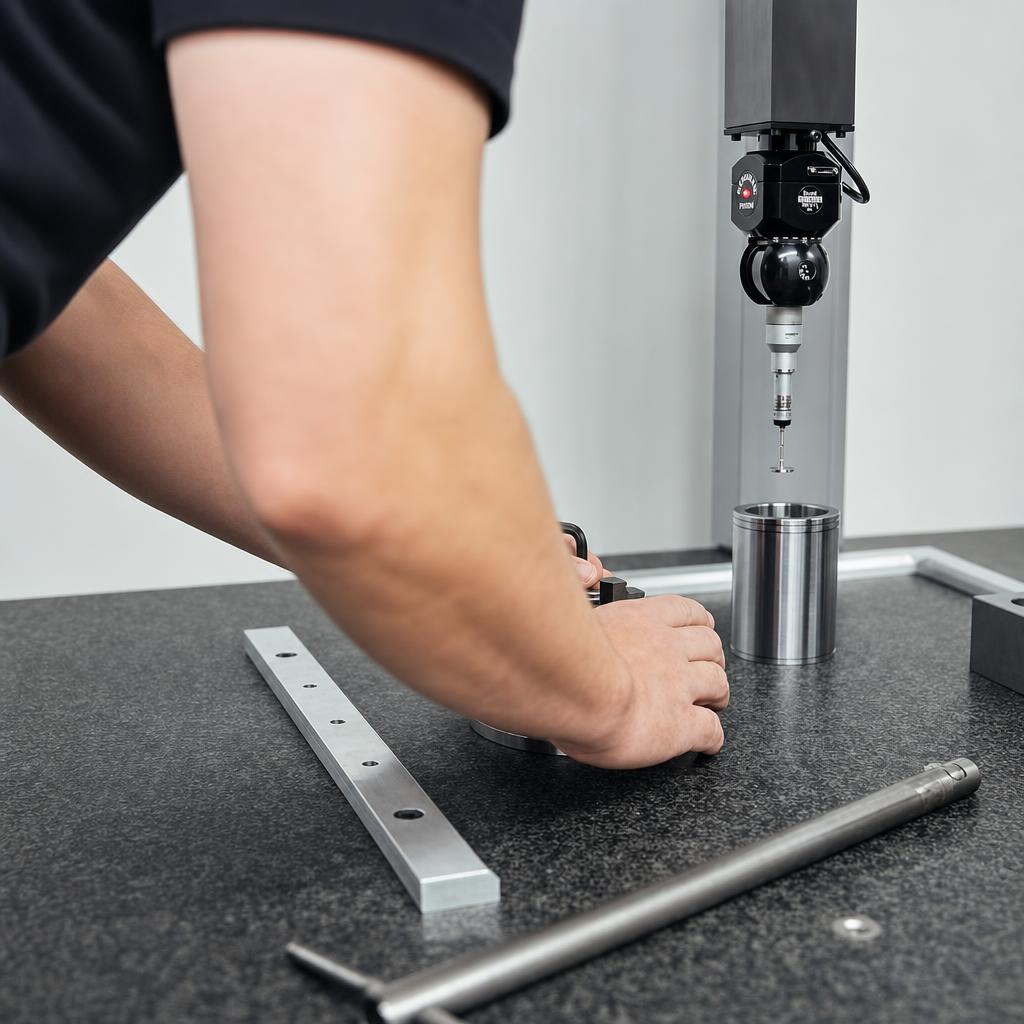
Regulatory documentation as part of the delivery
The medical industry is subject to strict regulation of finished products, and that regulation places requirements further down the supply chain to the component supplier. We support the customer's own documentation by delivering inspection reports, material certificates and process descriptions in the format and scope the customer needs for their own technical documentation and risk management.
Where a customer requires a formal supplier audit or approval process before we are accepted as a supplier for a particular product, we take an active part and provide the required documentation. We have experience with how medical customers typically structure their audits and prepare material so the process can run efficiently for both parties.
Changes to process, material or fixturing for an already approved part are handled as a formal change control, where the customer is informed and, where required, must approve the change before it is put into operation. That is a precondition for the customer's own regulatory documentation to remain valid after a change on our side.
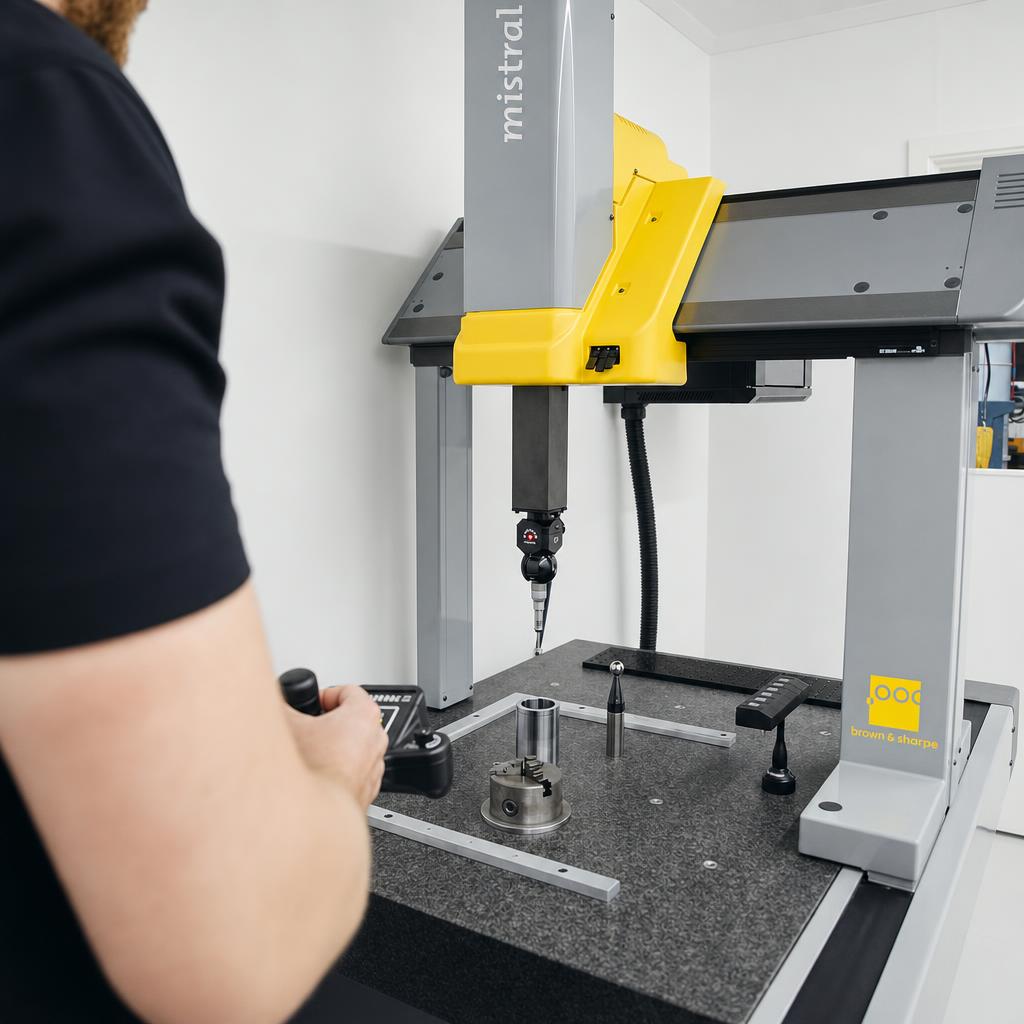
Series production with minimal variation over time
Medical customers typically look for a highly stable process rather than the cheapest possible single delivery, because the cost of qualifying a new supplier or a new process for a regulated product is high. We therefore emphasise locking down a well-functioning process and documenting it thoroughly, rather than continuously seeking marginal improvements that require re-approval.
Statistical process control is used systematically in large medical series to monitor whether the process remains within the capability documented at the original approval. Should a trend appear, action is taken before parts approach the tolerance limit, and the event is documented so the customer can assess whether it affects previously delivered batches.
We archive programmes, fixtures and inspection plans without a time limit for medical parts, because the product's service life and any regulatory traceability requirements often extend far beyond the period the part is actively produced. That makes it possible to reproduce an earlier production run exactly, even after a longer pause in delivery.
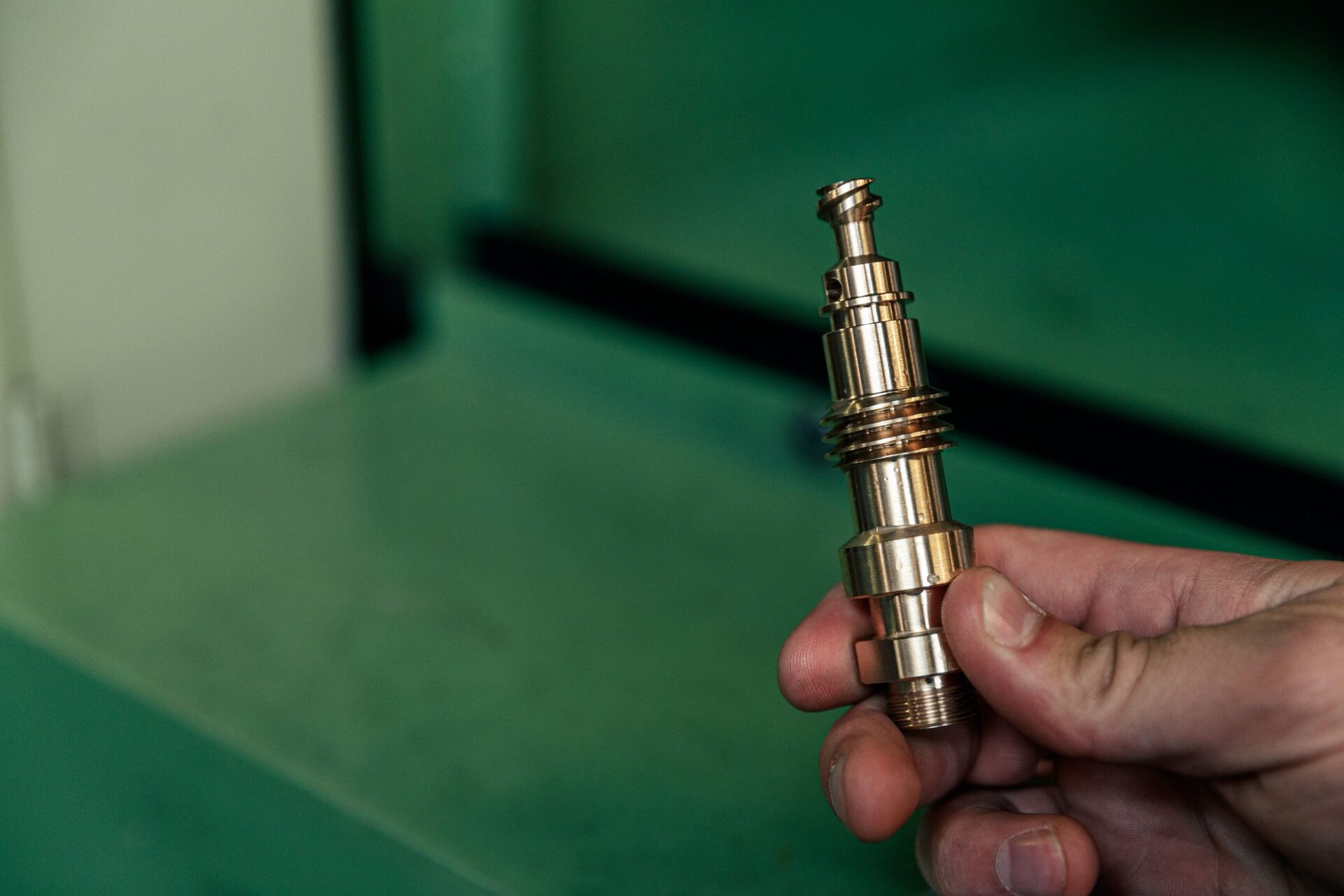 01Swiss-type turningSlender, complex precision parts up to ø32 mm in efficient series production.
 02Precision engineeringPrecision parts in every material, from acid-proof steel to POM and composites.
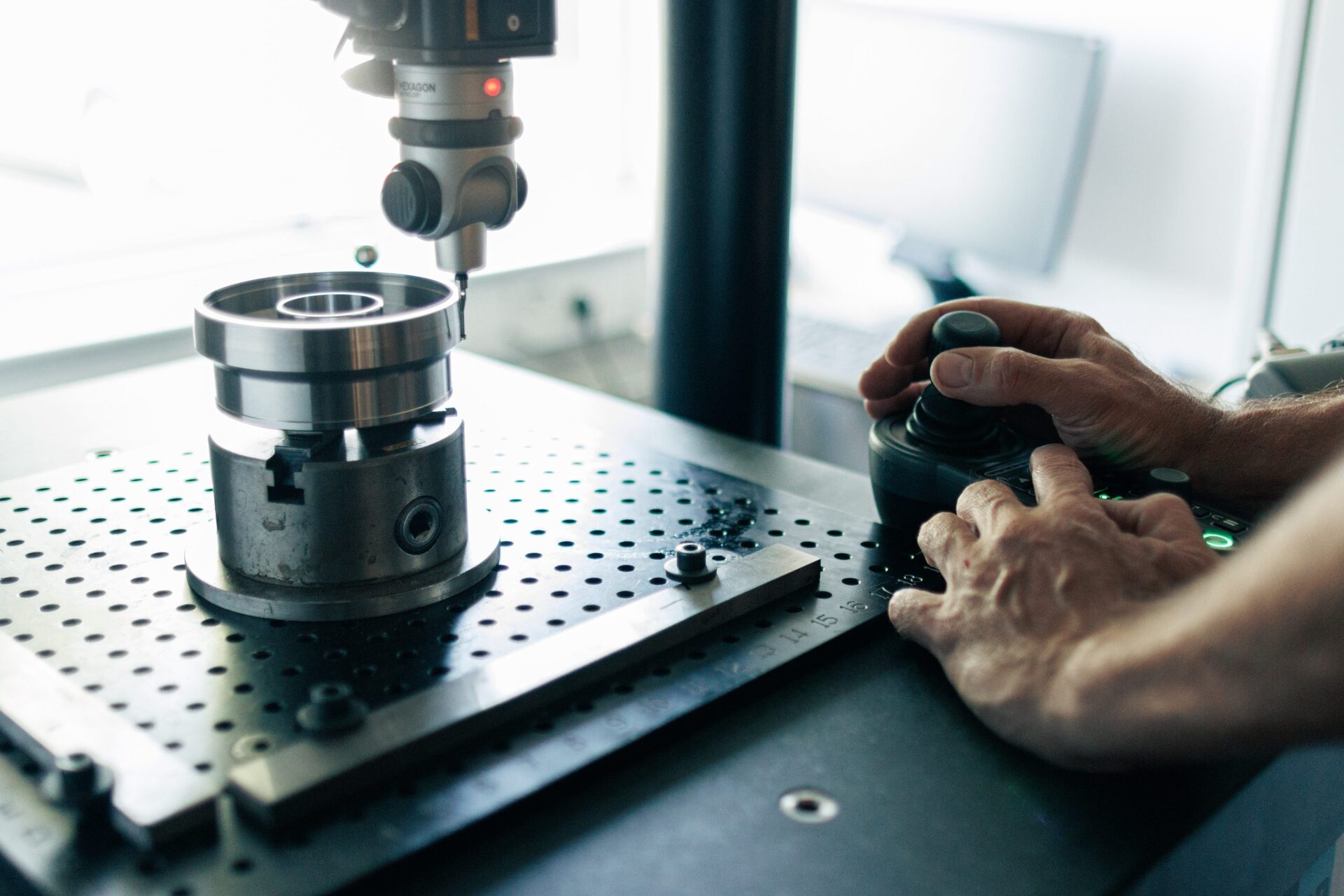 03Quality control3D measurement of every part, SPC on large series and measurement reports as documentation.
- ISO 9001 certified quality management since 2015
- 3D measurement of every part and measurement reports
- Traceability at batch and part level
- Cleanliness requirements and packaging are arranged to the customer specification
If you have questions about this content, please contact us at salg@rmfintech.dk.
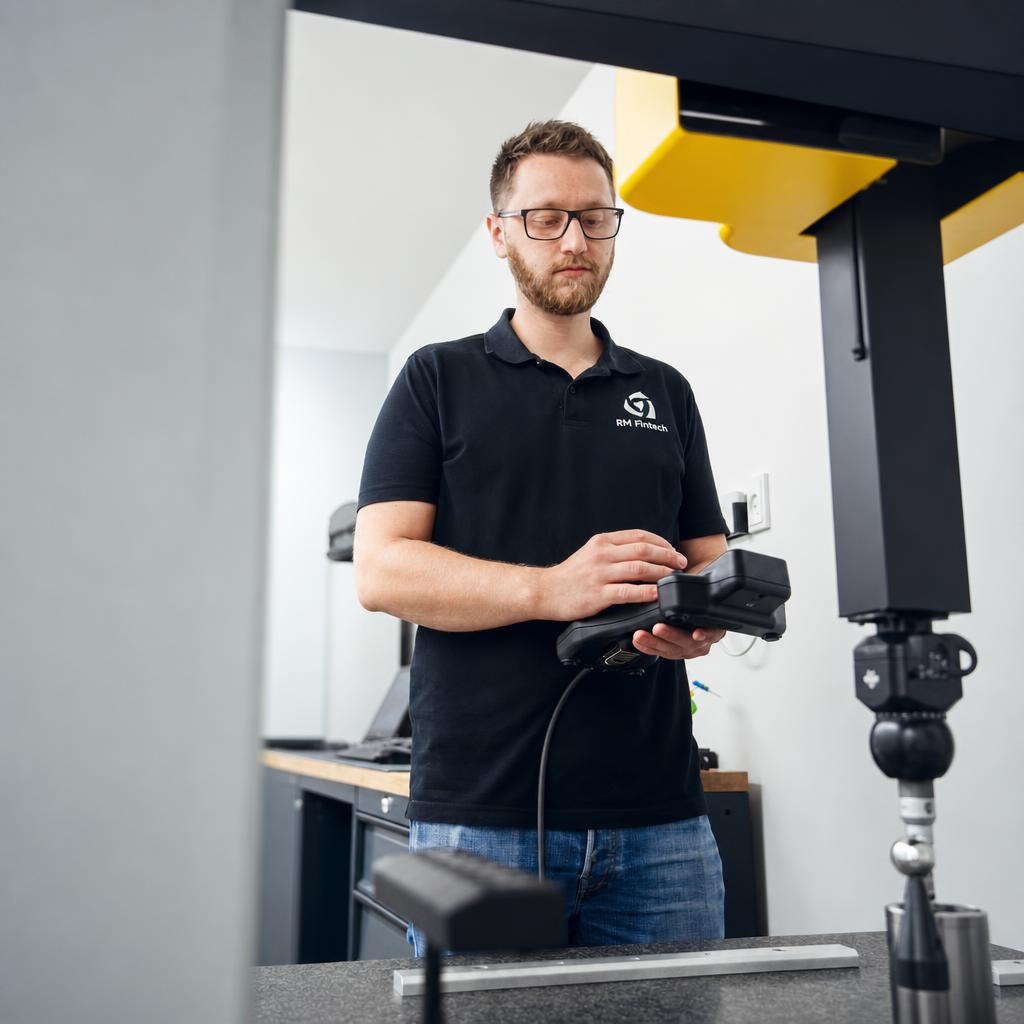
Traceability from material batch to finished part
Every medical part can be traced back to the material batch it was made from, through the production order and the associated measurement results. That traceability is a precondition for the customer being able to react in a scoped way if a problem with a particular material batch arises later, without having to recall far more than necessary.
We retain material certificates and production documentation for a period matching typical medical industry archiving requirements, and we can retrieve documentation for a given delivery several years after it was shipped. That is a core part of our offer to this industry, not an optional service.
For sub-assembly or final assembly of medical components, purchased parts, seals, springs or other components entering the assembly are also recorded with their own traceability. That means a complete medical component can be documented right down to the individual subcontracted part, if the customer needs it.

Handling changes and product development
Many medical products undergo continuous development, where a component is adjusted based on clinical experience or new functionality. We support that process by taking part early in the dialogue about a new revision, pointing out the manufacturing consequences of a proposed change, and helping plan the transition from the old to the new version without creating supply gaps.
The transition between two revisions of a part is planned carefully so there is clarity about when the old version stops and the new one starts, and how any remaining stock of the old version is handled per the customer's wishes. It is documented which revision was delivered in each batch, so no doubt arises later.
We are happy to advise on manufacturing consequences early in a development process, while a design is still being drafted, because that is typically where the largest improvements in price and process capability are found. That dialogue is conducted in confidence, and the material is treated as part of the customer's protected product development.
Working with the rest of the medical supply chain
We often act as one link in a larger supply chain for a medical product, where our components are later assembled, sterilised or packed by other parties. We adapt our packaging, marking and documentation to fit the overall chain, and we are happy to coordinate directly with the customer's other suppliers where appropriate.
Lead time and stock strategy are agreed to match the rhythm of the customer's overall production, whether that means fixed weekly deliveries, agreed call-offs from stock held with us, or single deliveries for a particular production campaign. The flexibility in our own planning lets us adapt to the customer's needs rather than requiring the customer to adapt to ours.
Where the customer wishes, we take part in joint quality meetings with the other links in the chain to align interfaces, tolerances and responsibility between the processes. That reduces the risk of a problem arising in the handover between two suppliers because responsibility was not clearly defined.
Shall we produce something for your company?
Send us your drawing and we will come back with a technical assessment and a quotation. We accept electronic drawings in most formats and treat all material confidentially.