
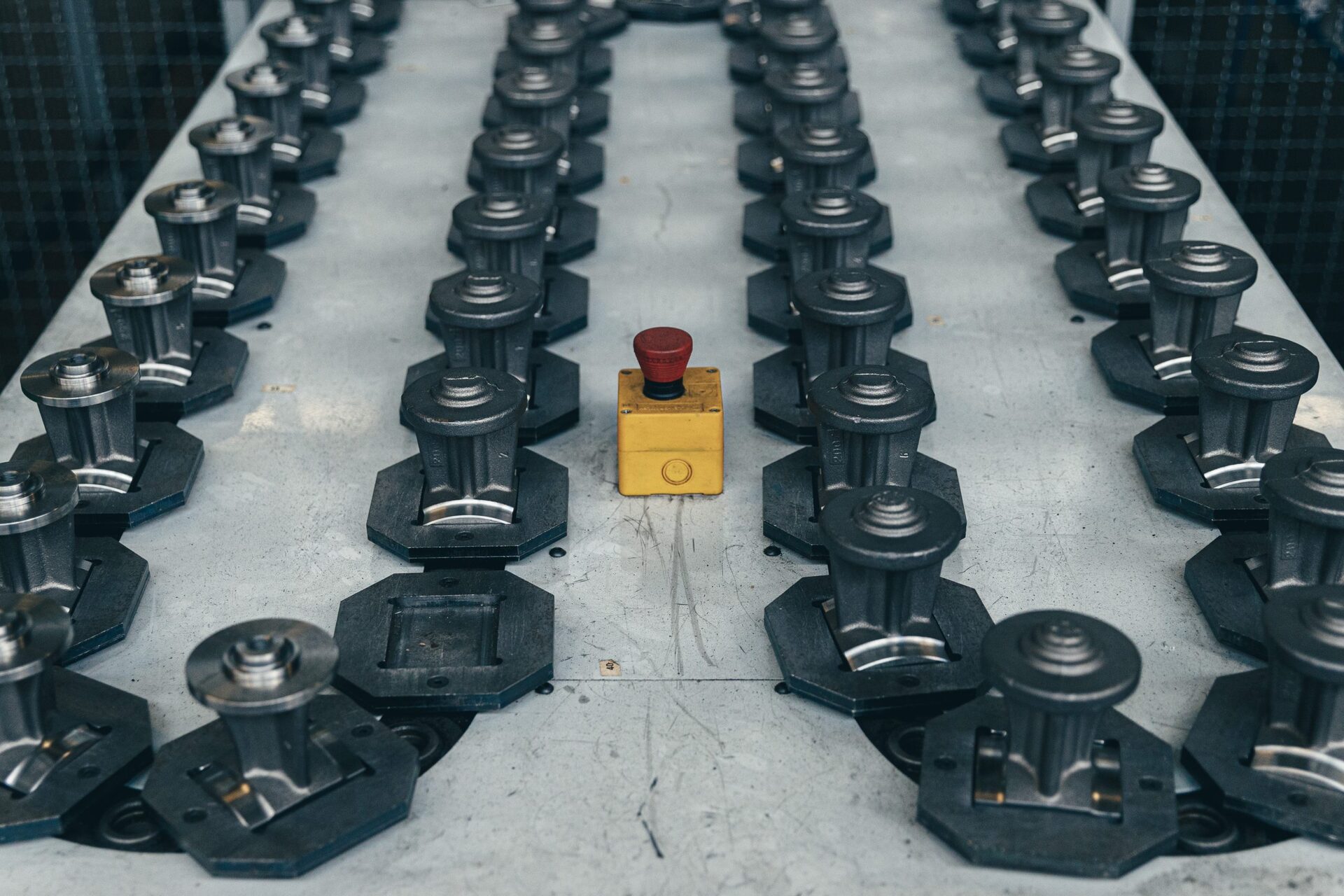
Continued investment in automation
We are expanding automated production and measuring equipment to maintain capacity and consistent quality.
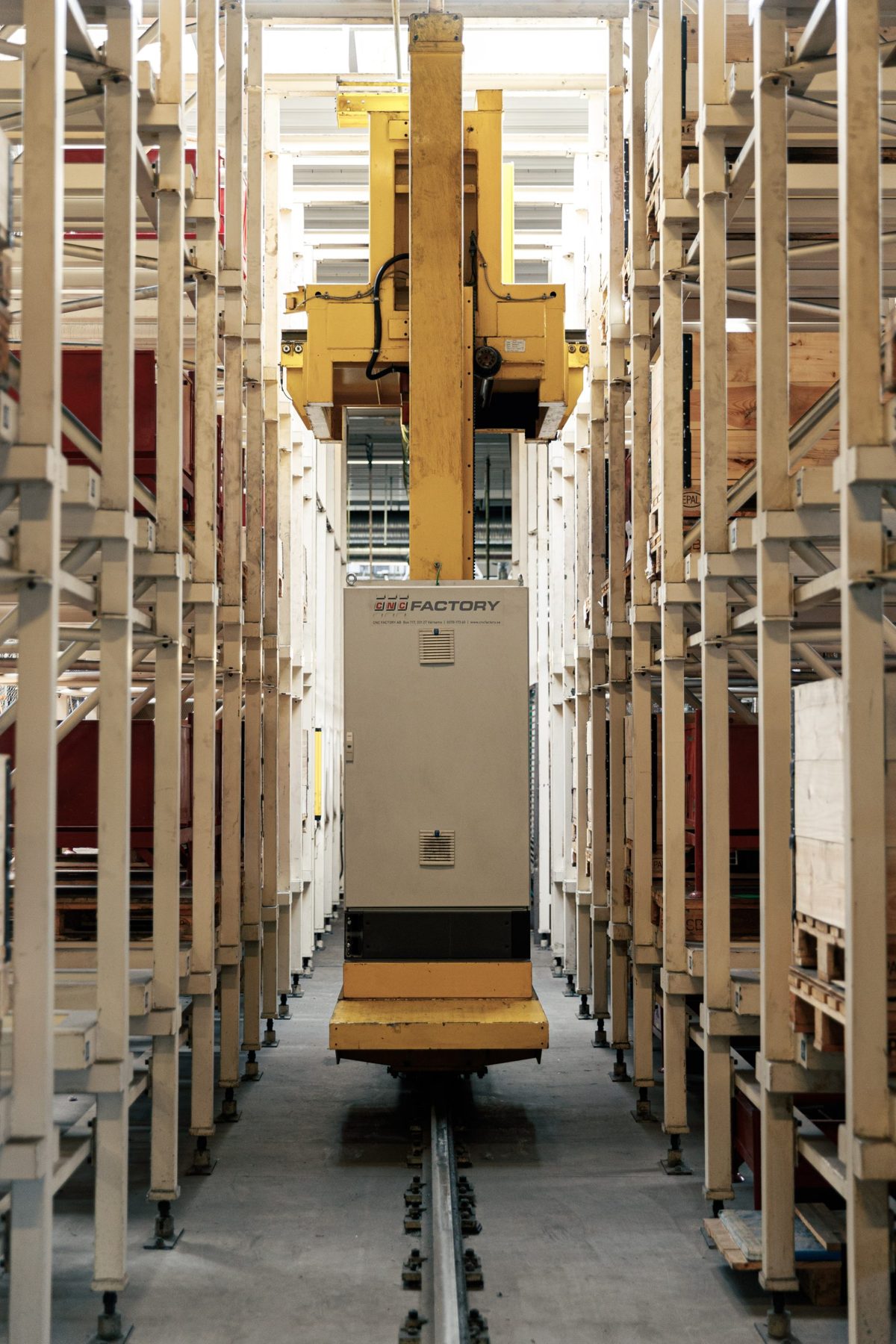
Automation is at the core of our production strategy. Robot cells, gantry loaders and bar feeders allow unmanned operation for large parts of the day.
The investments cover both machining capacity and measuring equipment, so quality control keeps pace with production speed.
We prioritise machines that fit into the existing robot and pallet flow, so new capacity can be commissioned without changing the routines around it.
All news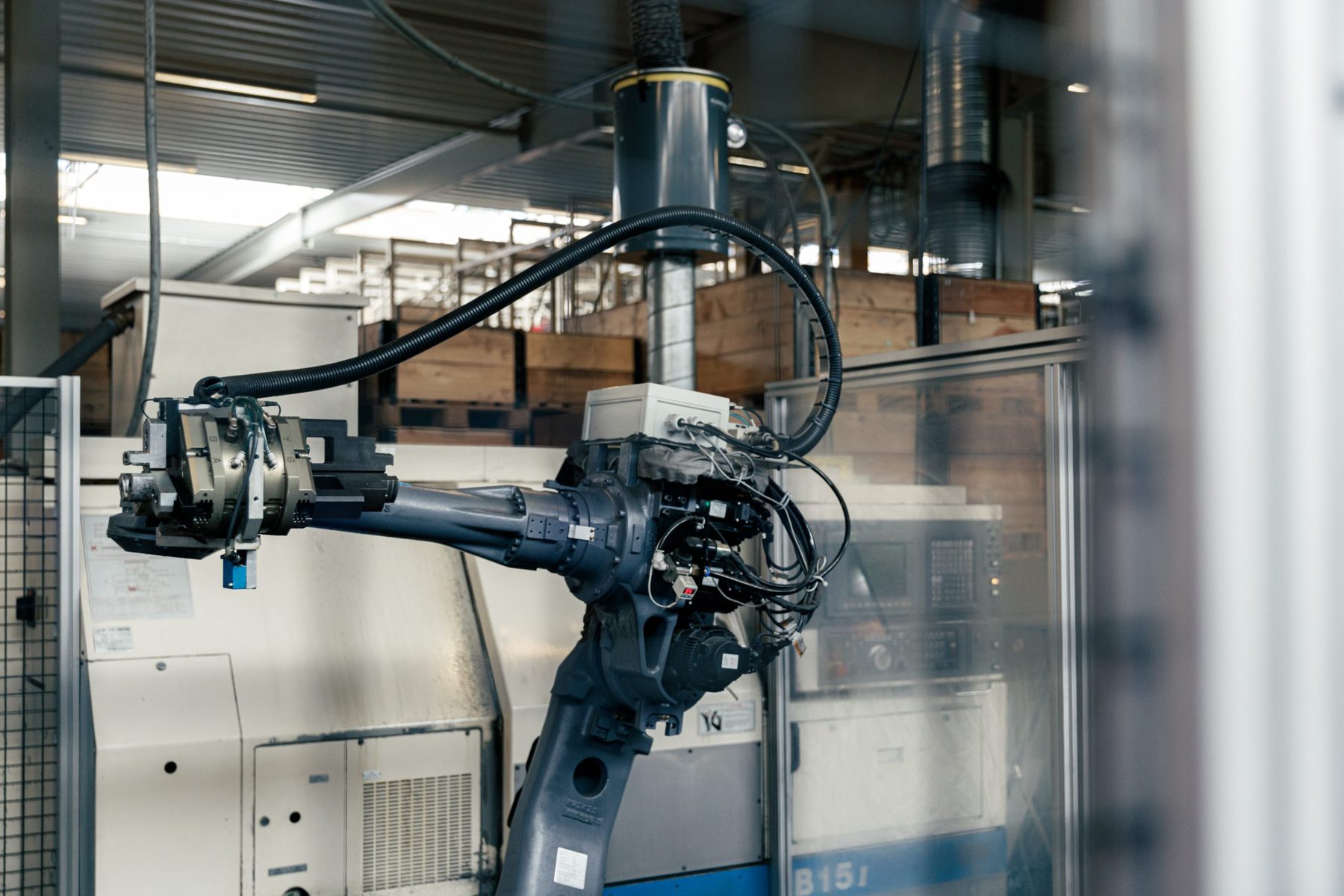
Investment in automation and robot cells
We have invested in additional robot cells and automation equipment that support unmanned operation in parts of our production. The investment targets the processes where volume and repetition make automation the most obvious solution, while more complex or low-volume tasks continue to be handled with manual set-up and close operator follow-up.
The robot cells handle component changeovers, palletising and, in certain cases, measurement checks during the process, allowing the machines to run stably through evenings and nights without constant human presence. This provides better utilisation of the machine park and a more predictable delivery time, because capacity is no longer limited to the hours when employees are physically present at the machine.
The investment followed thorough testing of new set-ups before they were put into actual production, with close involvement of the operators who would subsequently operate and monitor the cells day to day. We believe automation works best when it is developed in partnership with the practical experience that already exists on the shop floor.
Why automation strengthens delivery reliability
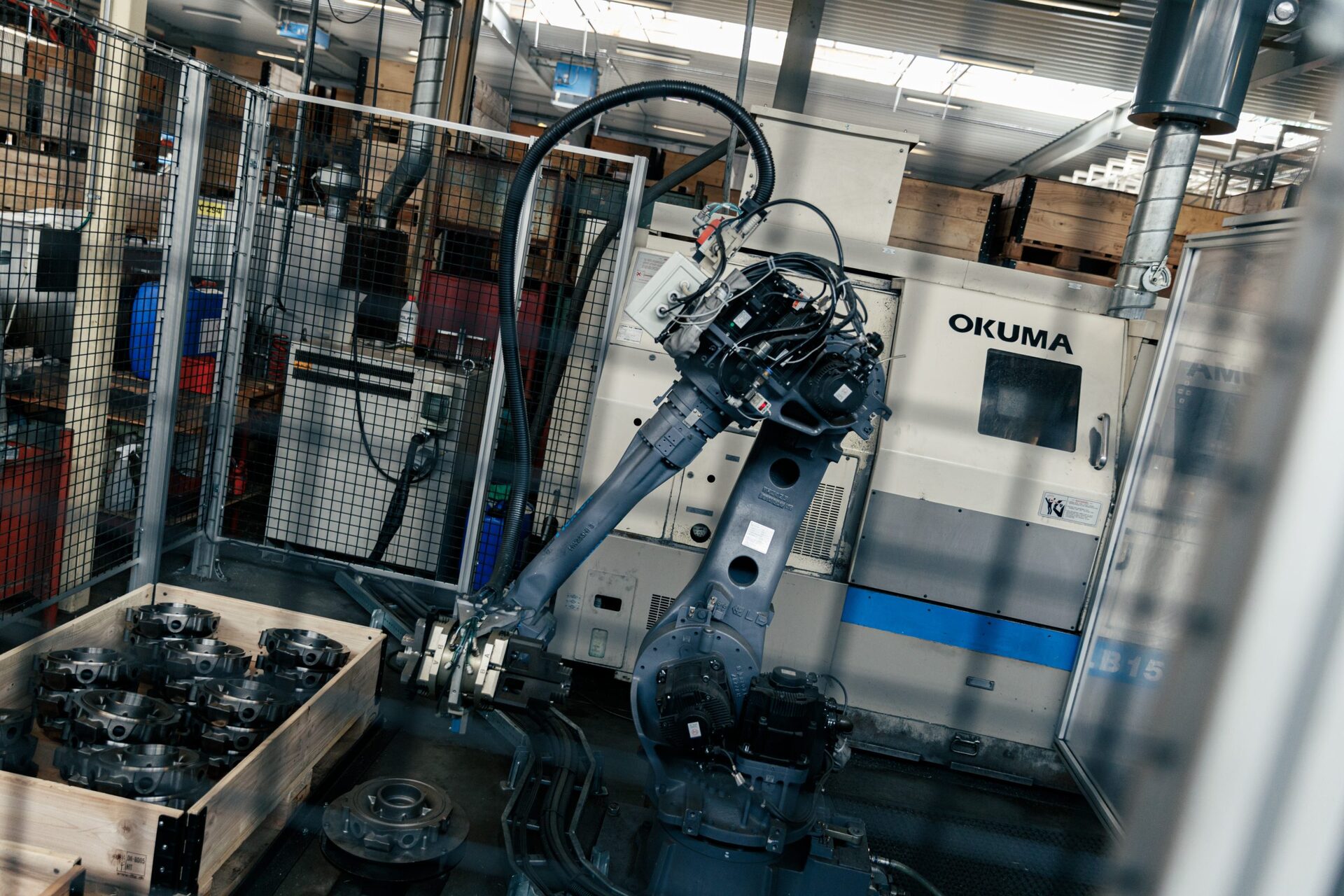
A higher degree of automation allows us to keep production running outside normal working hours, which improves our ability to meet delivery times even when individual orders require extra capacity at short notice. The level of automation acts as a buffer that makes production less vulnerable to fluctuations in individual orders.
The robot cells are designed to switch between different components and programs with minimal manual intervention, providing the flexibility to prioritise the orders with the shortest deadline without affecting other customers' deliveries. This flexibility is particularly valuable for customers with fluctuating call-offs on their agreements.
We continuously follow up on operational stability in the automated set-ups through fixed checks and maintenance schedules, so that a cell running unmanned overnight does not leave behind deviations that are only discovered when the components are due for delivery. The day shift's work largely involves preparing and checking, so that night-time production can run stably.
Skills development as a prerequisite for automation
Automation requires employees who can program, monitor and troubleshoot robot-controlled set-ups, and we have therefore invested in parallel in training the employees who will operate the new cells. The training combines classic machine understanding with new knowledge of robot programming and sensor technology, so employees can act independently if a cell stops or reports a fault.
We have found that the best path to stable automation runs through employees who understand both the mechanical process and the robot technology surrounding it, rather than treating automation as a black box that can only be serviced by external specialists. This approach makes us more self-sufficient day to day and gives faster response times when something needs adjusting.
We encourage employees to bring forward suggestions for improving the automated set-ups, whether it concerns the design of a gripper, a program sequence, or a way of reducing changeover time. Many of the improvements that genuinely increase operational stability come from those who work closest to the cells on a daily basis.
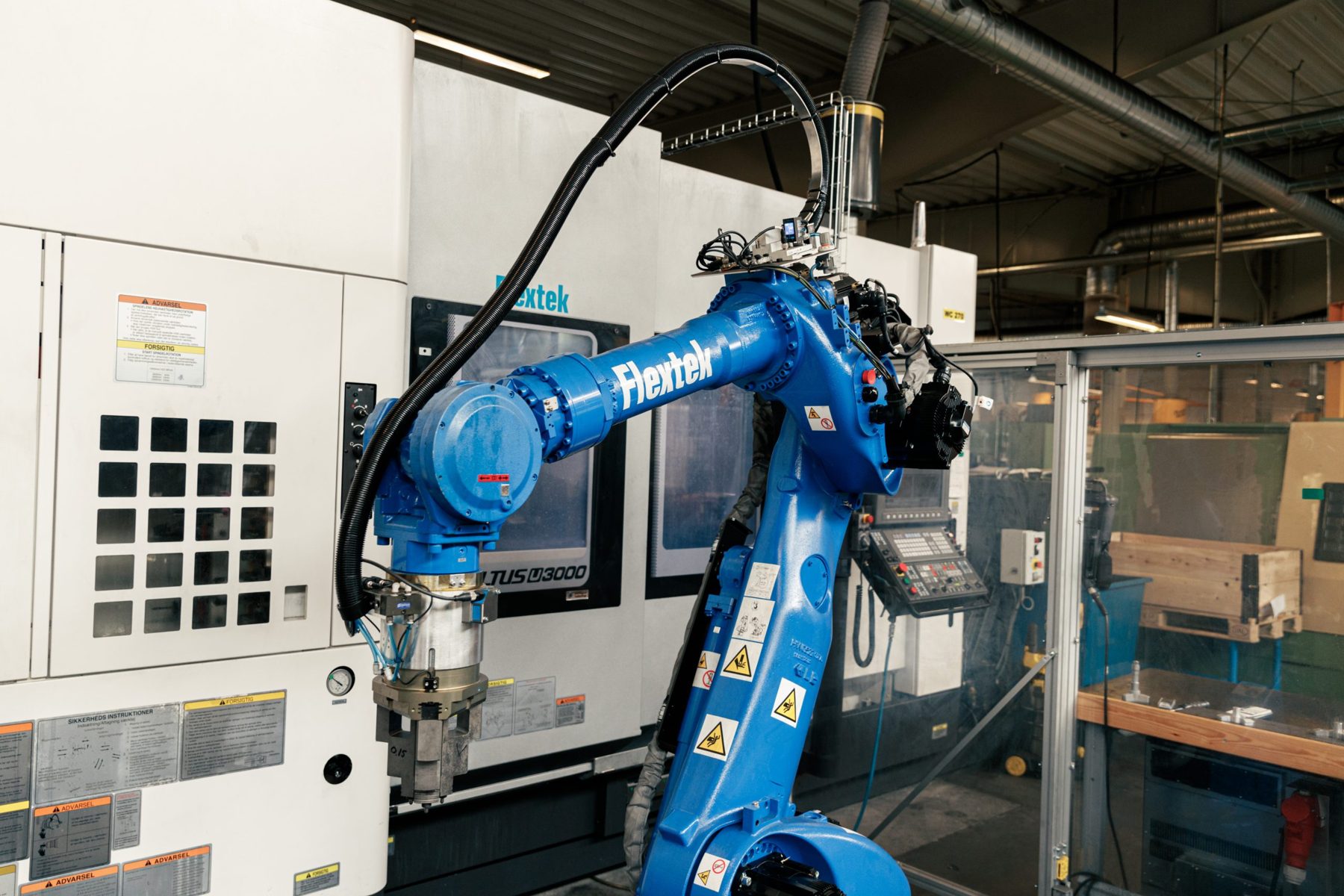
Automation and the human factor in production
Automation is not a replacement for skilled craftsmanship but a tool that frees up employees' time for the tasks where human judgement makes the biggest difference, such as program optimisation, quality control and troubleshooting. We see it as an extension of the craftsmanship that has always characterised our production, rather than a substitute for it.
When a robot cell is introduced into a process that was previously run manually, it happens gradually, and the employees who know the process best are involved early in planning how the cell should function. This ensures that automation builds on the experience that already exists, rather than being imposed from above without regard for the practical reality on the shop floor.
We find that employees working close to automated set-ups develop a broad skill profile over time, ranging from classic machine operation to robot programming and process monitoring. This broad profile makes employees more versatile and provides better opportunities to move between different tasks in production if the need arises.
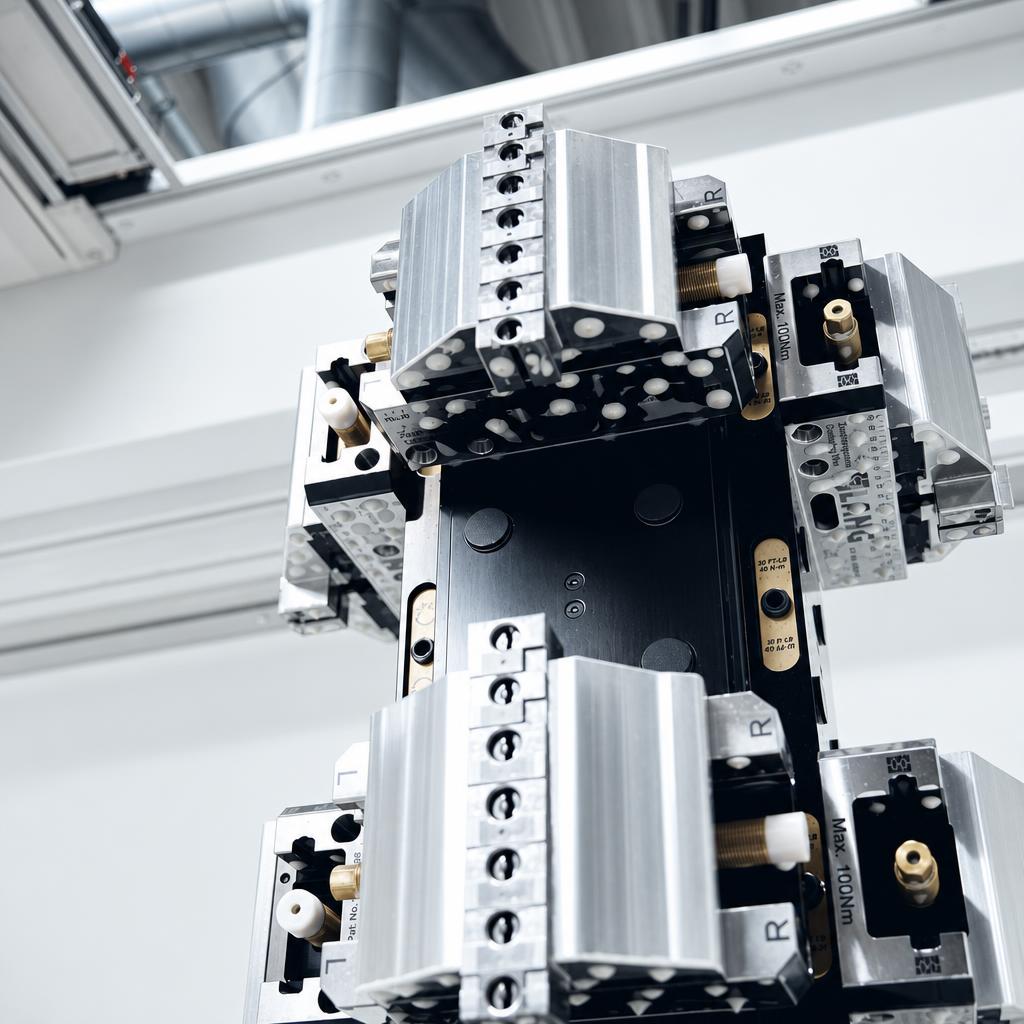
Consequences for customers and delivery plans
The investment in automation does not change our fundamental approach to customer dialogue and delivery planning, but it gives us a better basis for meeting the agreements we enter into, particularly when volumes or deadlines tighten. Customers directly affected by a new set-up in production are informed about what it means for their ongoing deliveries.
New robot cells are only put into operation for customer orders once they have proven stable through a thorough testing period, so an ongoing series does not risk disruption while a new set-up finds its footing. We prioritise stability over speed when a new automation solution is to move from testing to full production.
Customers with questions about how automation affects capacity, tolerances or documentation for a specific task are welcome to get in touch for a concrete review. We are happy to review a customer's specific needs before assessing whether a given task is best suited to an automated or a manual set-up.
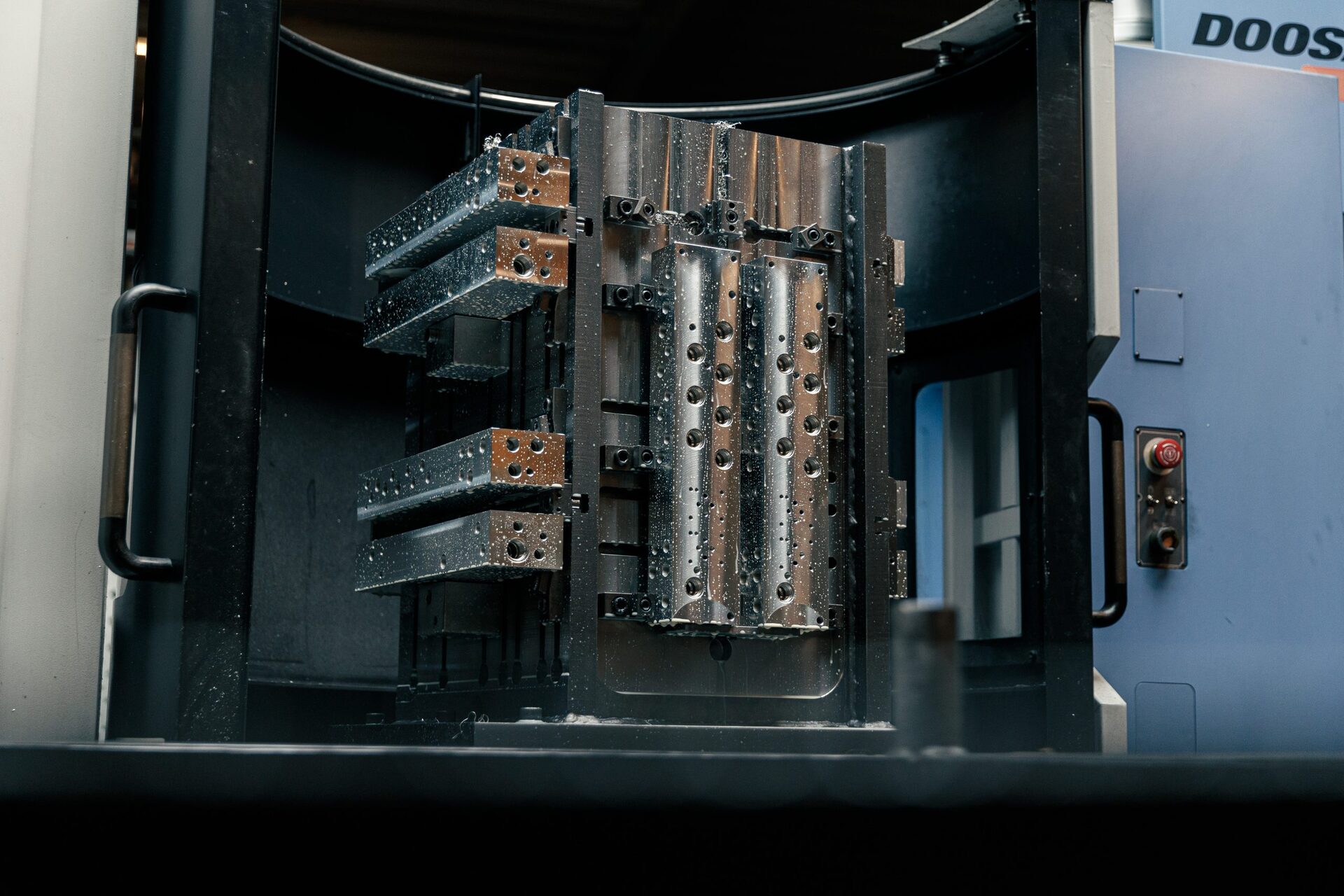
Future plans for automation
We continue to assess where automation provides the greatest value in our production, and we prioritise investments based on specific orders and the ongoing dialogue we have with our customers, rather than general trends in the industry. Decisions are made based on where we see the clearest bottlenecks or the greatest opportunities to improve delivery reliability.
We regard automation as an ongoing area of development rather than a one-off decision, and we therefore keep track of how robot technology, sensor technology and programming evolve, so we can assess whether new solutions can add value to our own production. New technology is only introduced once it has been thoroughly tested and has proven able to meet our quality requirements.
We are happy to invite interested customers and partners to see the automated set-ups during a visit to the factory, where there is an opportunity to discuss how the level of automation in our production can support a specific task or a future collaboration.
Shall we produce something for your company?
Send us your drawing and we will come back with a technical assessment and a quotation. We accept electronic drawings in most formats and treat all material confidentially.