
Industries
We supply industries where tolerances, documentation and delivery reliability are decisive.
Common foundation, different emphasis
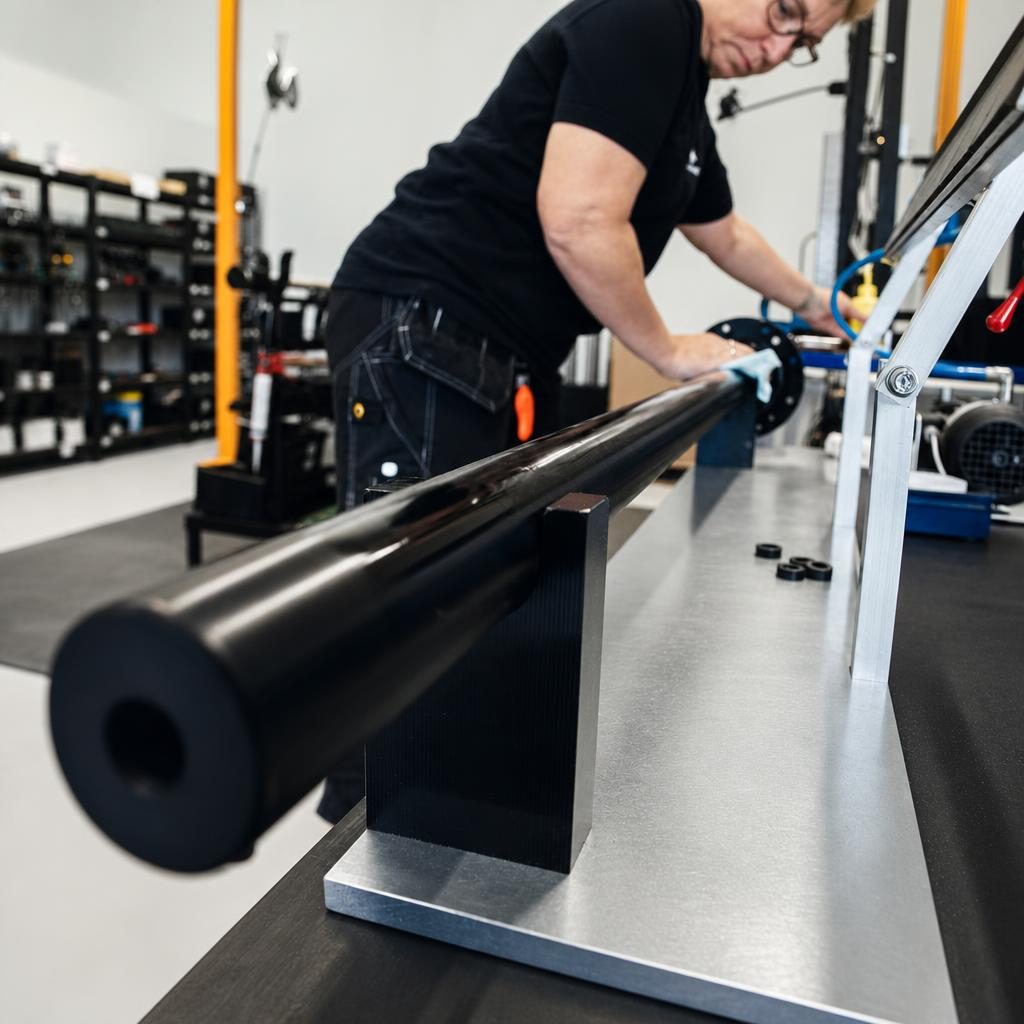
Although defence, medical, aerospace, automotive and general industry produce very different end products, our delivery to all of them rests on the same foundation: documented process, traceable material, calibrated measuring equipment and a quality system that responds to deviations rather than ignoring them. What varies is how heavily each element weighs in the specific agreement.
A medical customer will typically place more weight on cleanliness and material certificates, a defence customer on confidentiality and traceability, an aerospace customer on documented deviation handling, and an automotive customer on stable process control in large series. We adjust the emphasis in each agreement without compromising the common foundation underlying every delivery.
The shared core also means experience from one industry often benefits another. A measurement technique developed for a demanding aerospace job can easily apply to an automotive customer with similar tolerance requirements, and a documentation routine developed for defence transfers directly to medical, where traceability requirements are similar.
How a partnership typically starts
Most partnerships start with a specific drawing or part the customer already has but is dissatisfied with on price, quality or delivery reliability. We review the drawing together, ask about the function behind each critical tolerance, and offer a concrete proposal on process, price and lead time, based on similar work we have solved before.
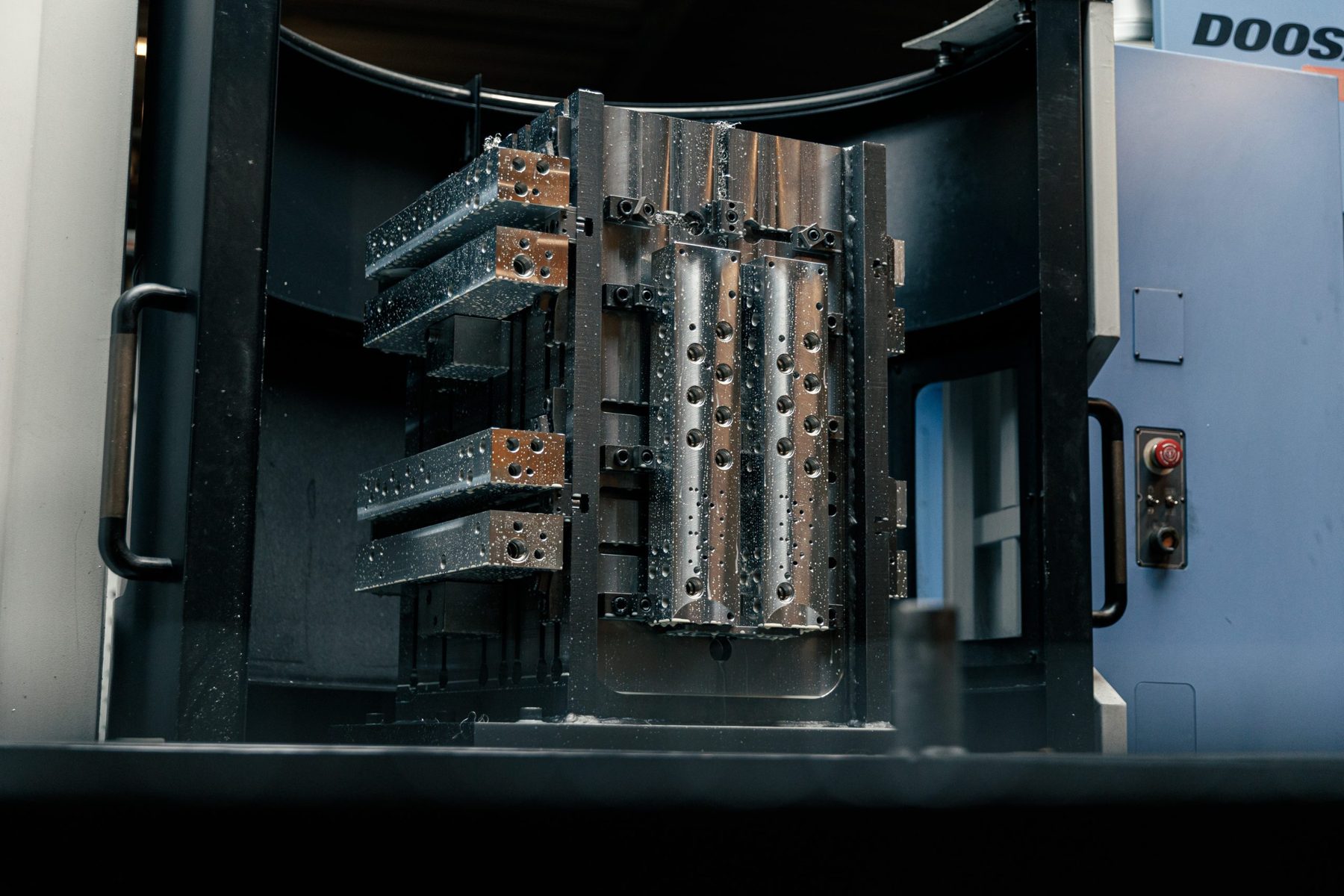
For a completely new part, we typically recommend starting with a prototype or a small zero series, where process, fixturing and inspection plan are established before the part moves to an automated setup for standing production. That phase costs time up front but significantly reduces the risk of surprises once the series is properly under way.
Regardless of industry, we place weight on understanding what the part is for, not just what the drawing shows. That context lets us point out improvements the customer had not considered, and it is often the precondition for us being able to give an accurate quote on both price and lead time.
Capacity and flexibility across series
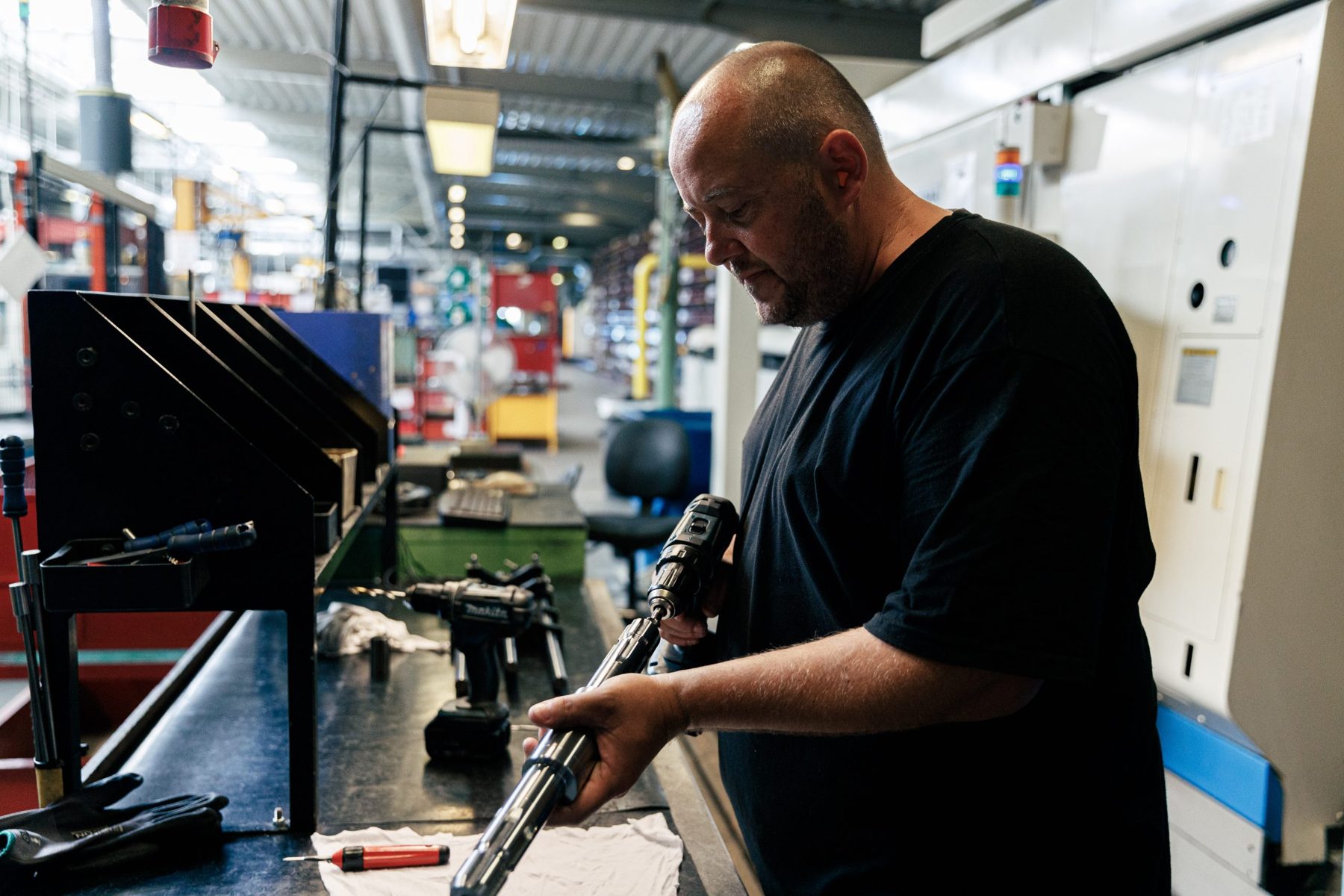
Our machine park is assembled so we can take both the small, complex series for a defence job and the large, uniform series for automotive, without one crowding out the other. Automated setups secure capacity for the large volumes, while technical experience and flexible planning ensure the smaller, more specialised jobs are not lost in day-to-day operations.
We plan production so a customer's urgent order or an unexpected rise in demand can be handled without unduly affecting other customers' lead times. That requires ongoing dialogue about expected consumption, and we encourage customers to share their forecast with us so we can plan capacity proactively rather than reactively.
For customers with seasonal swings or project-based need, we offer flexible agreements with a fixed minimum and the option to call off extra volume at short notice, provided capacity has been planned in advance. That type of agreement requires trust both ways, and it is typically built up over time as the partnership matures.
Documentation adapted to the language of each industry
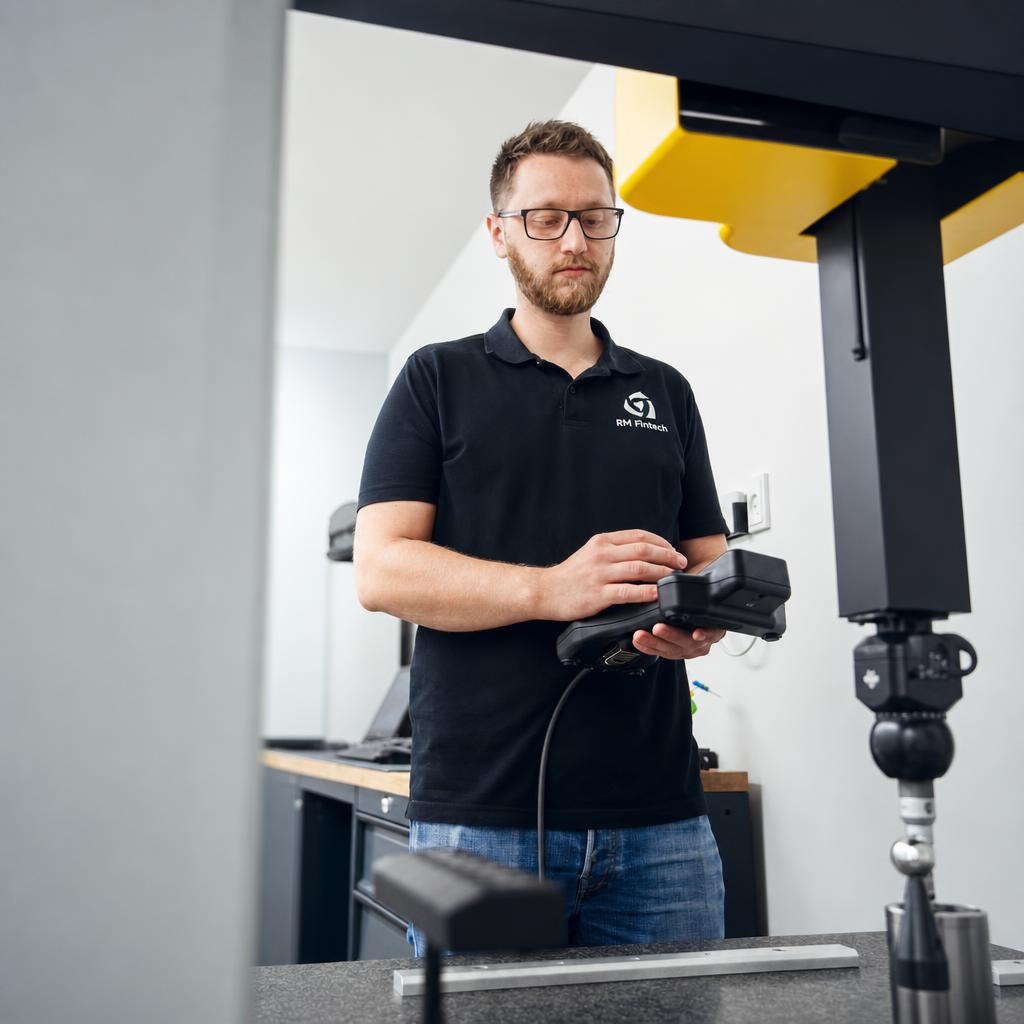
Although the underlying documentation resembles itself across industries, inspection reports, material certificates, process descriptions, we adapt the format to what the customer expects. A defence customer and an automotive customer often use different templates, terminology and reporting systems, and we put effort into delivering documentation in a form the customer can use directly without reworking it.
For customers with their own quality portals or electronic reporting systems, we are happy to work within that flow, uploading inspection reports and certificates directly rather than sending them as loose files. That reduces the risk of documentation getting lost or not reaching the right recipient at the customer.
We archive all documentation in our own system regardless of how it was delivered to the customer, so we can always reconstruct a documentation package, even years after the original delivery. That is essential in industries where a product's service life extends far beyond the period the part was actively produced in.
01DefenceA trusted Danish subcontractor built on confidentiality, traceability and precision.02MedicalClean, precise components with fine tolerances and full traceability.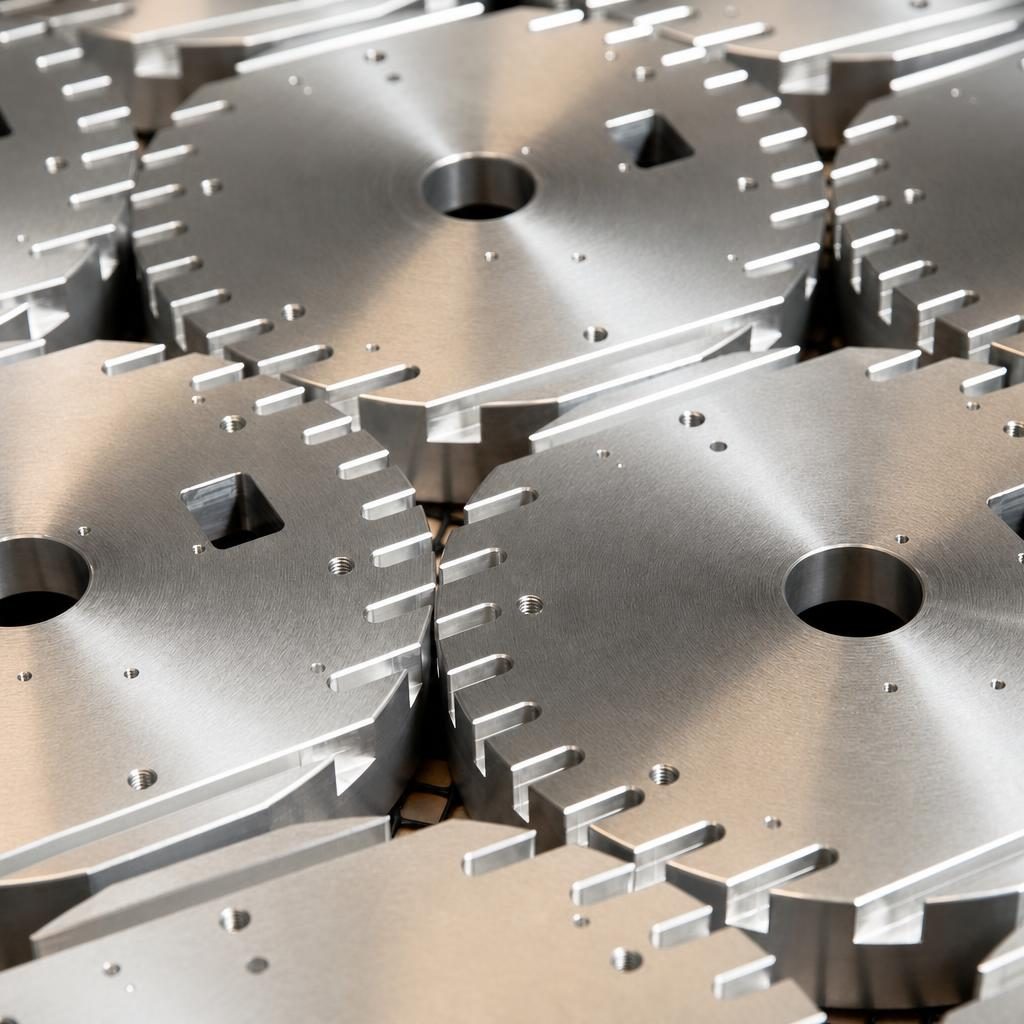 03AerospaceHigh precision in demanding materials with documented quality assurance.
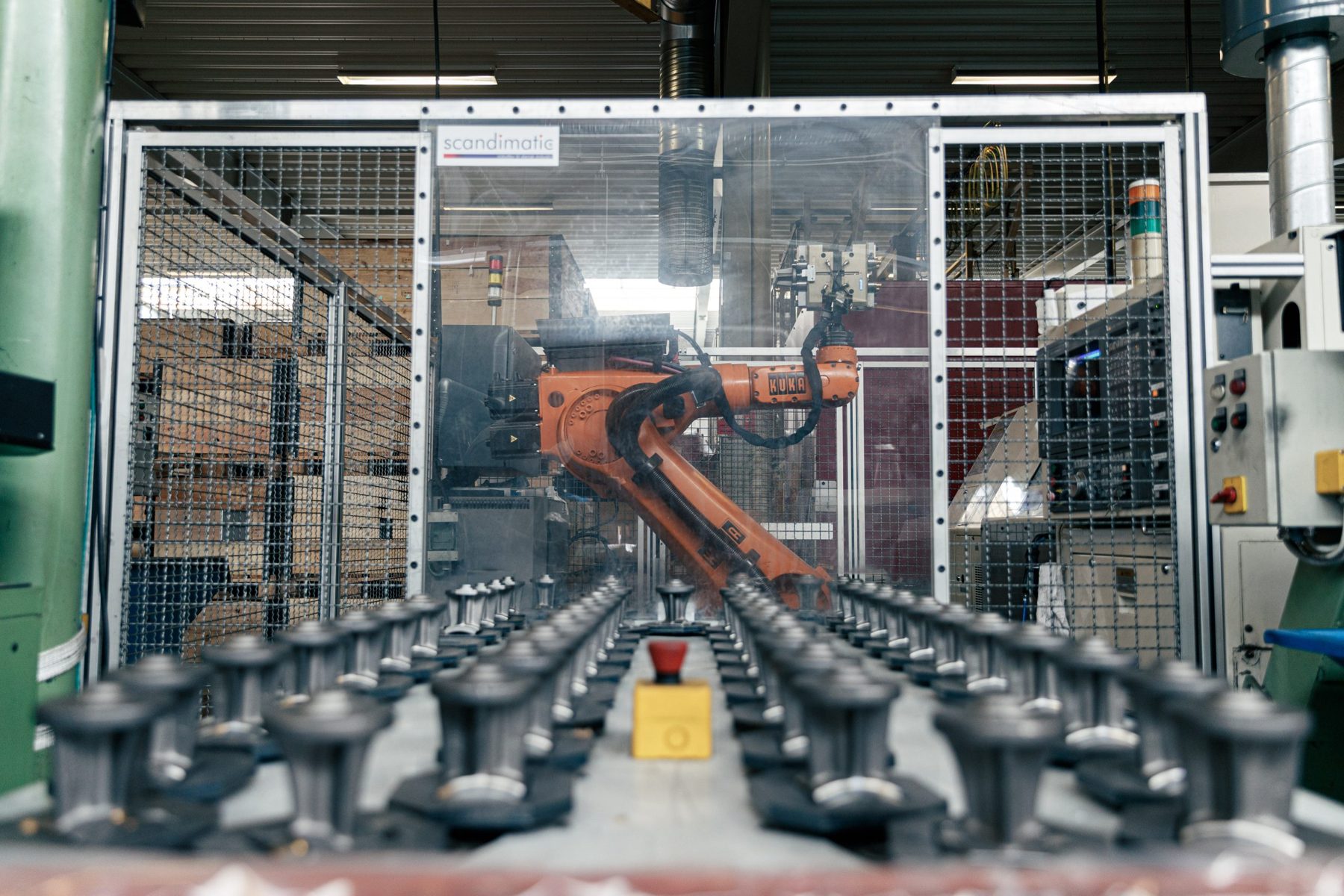 04AutomotiveSeries production with a high degree of automation and consistent quality through SPC.05General industryBroad subcontract machining and versatile material expertise for industry.
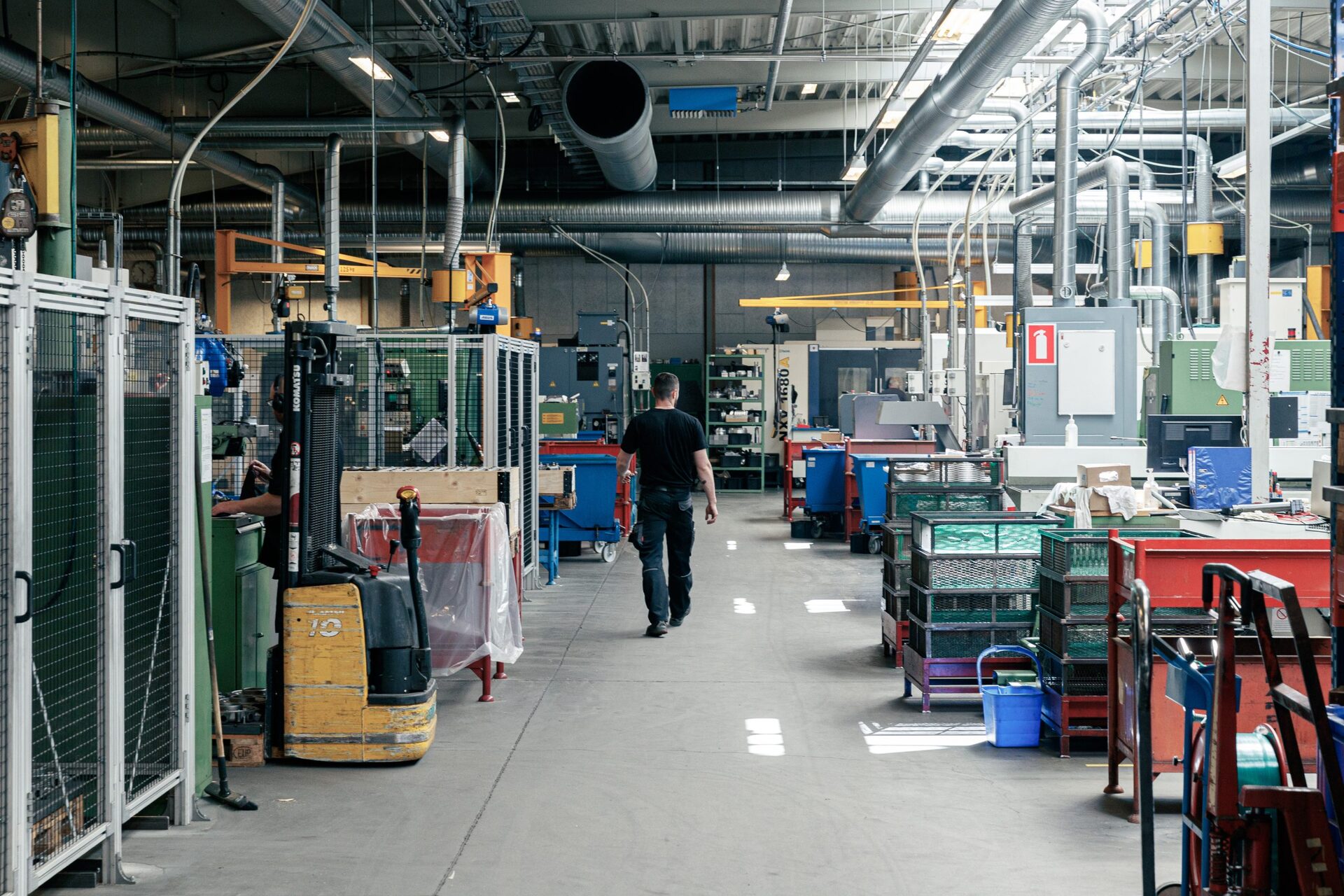 06Agriculture and agro industryRobust components for agricultural machinery and feeding systems, built for year-round operation.
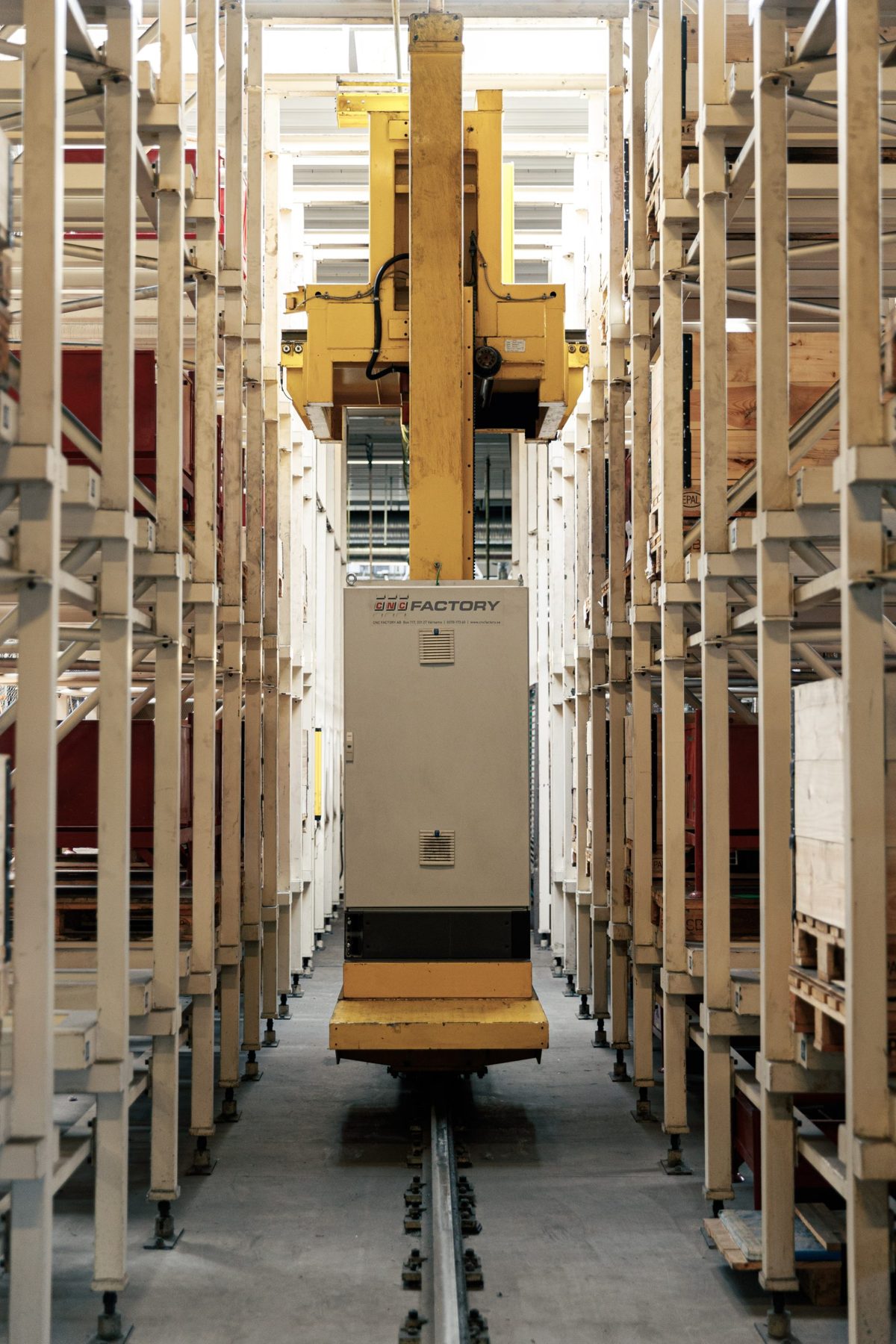 07Energy and wind powerPrecision components for wind turbines, energy plants and electrification, fully documented.
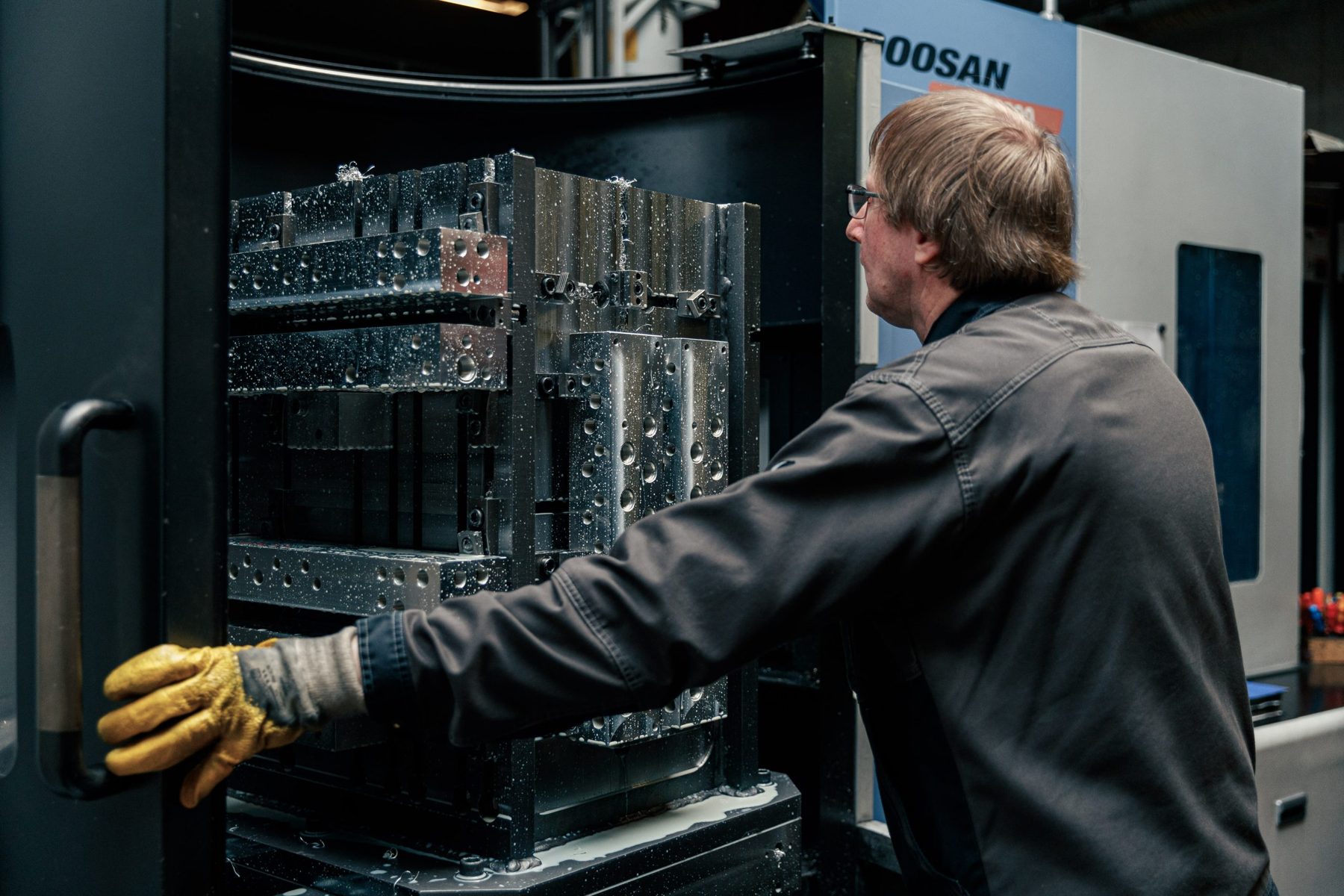 08Marine and offshoreCorrosion-resistant parts for ships, port facilities and offshore installations.
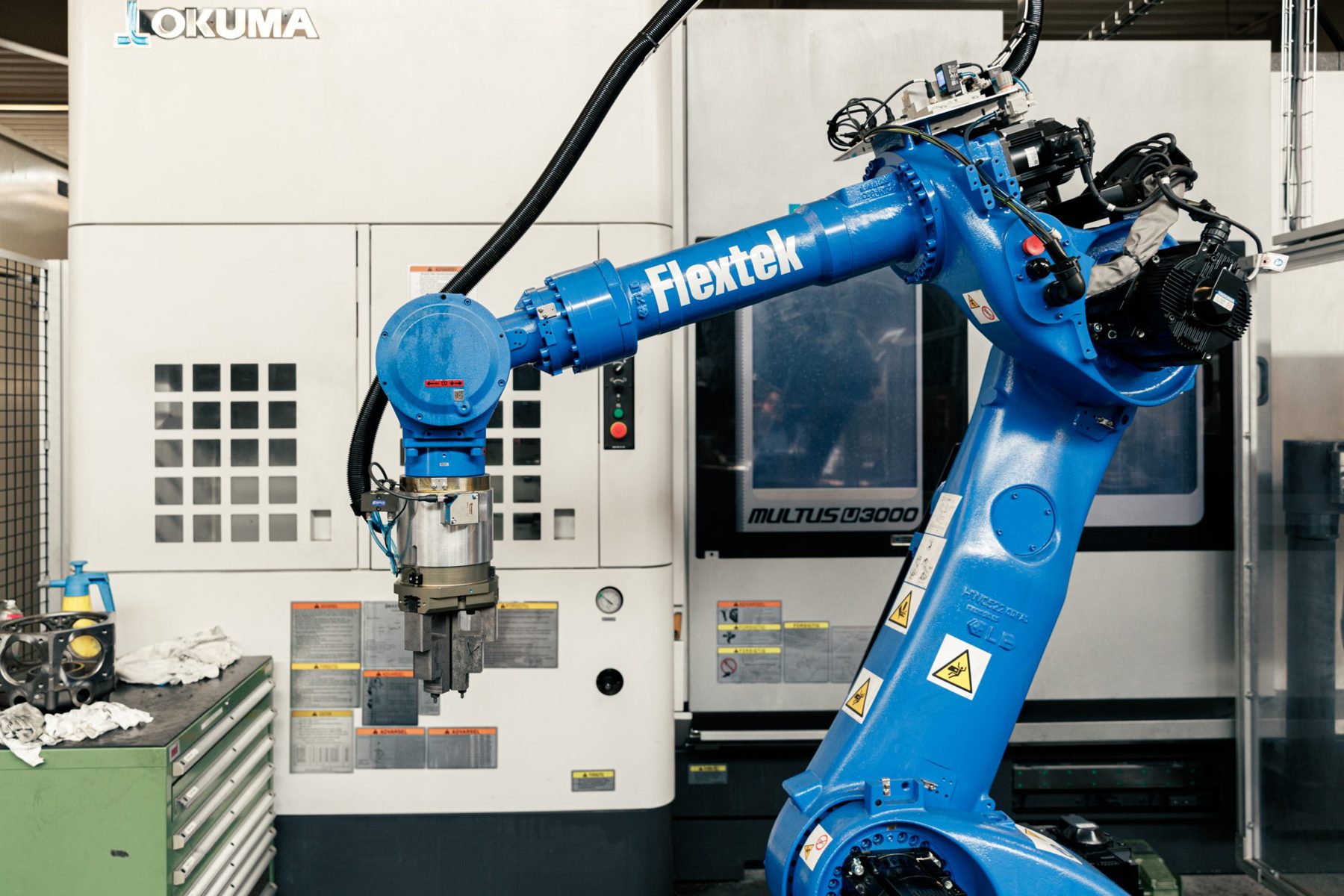 09Hydraulics and pneumaticsTight, precise parts for valves, cylinders and manifolds in large series.
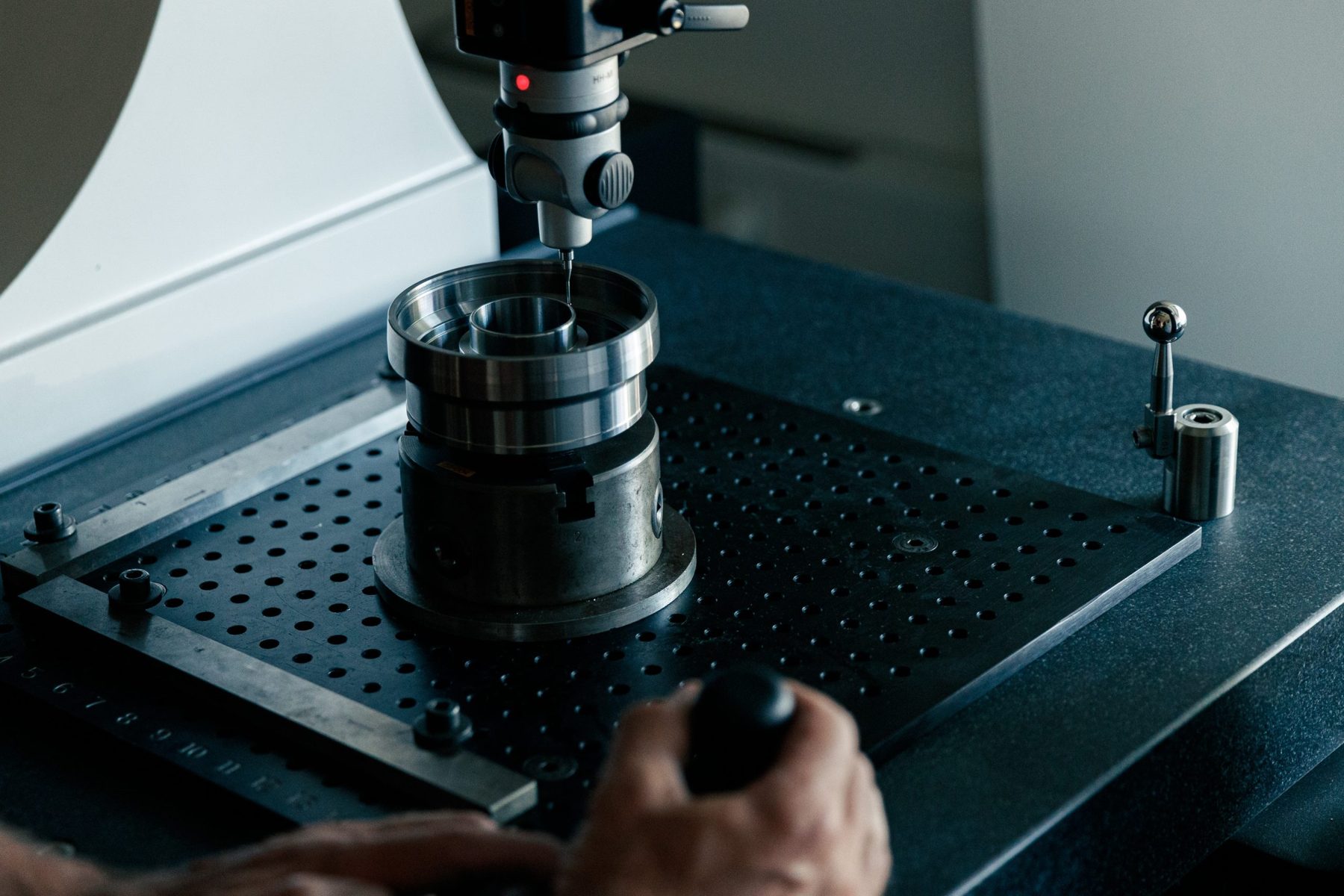 10Food and process industryHygienic parts in stainless and acid-resistant steel for plants cleaned daily.
 11Electronics and instrumentationPrecision parts, enclosures and heat sinks with tight tolerances.
 12Pumps, valves and fittingsRotating and pressure-bearing parts with tight fits and documented quality.
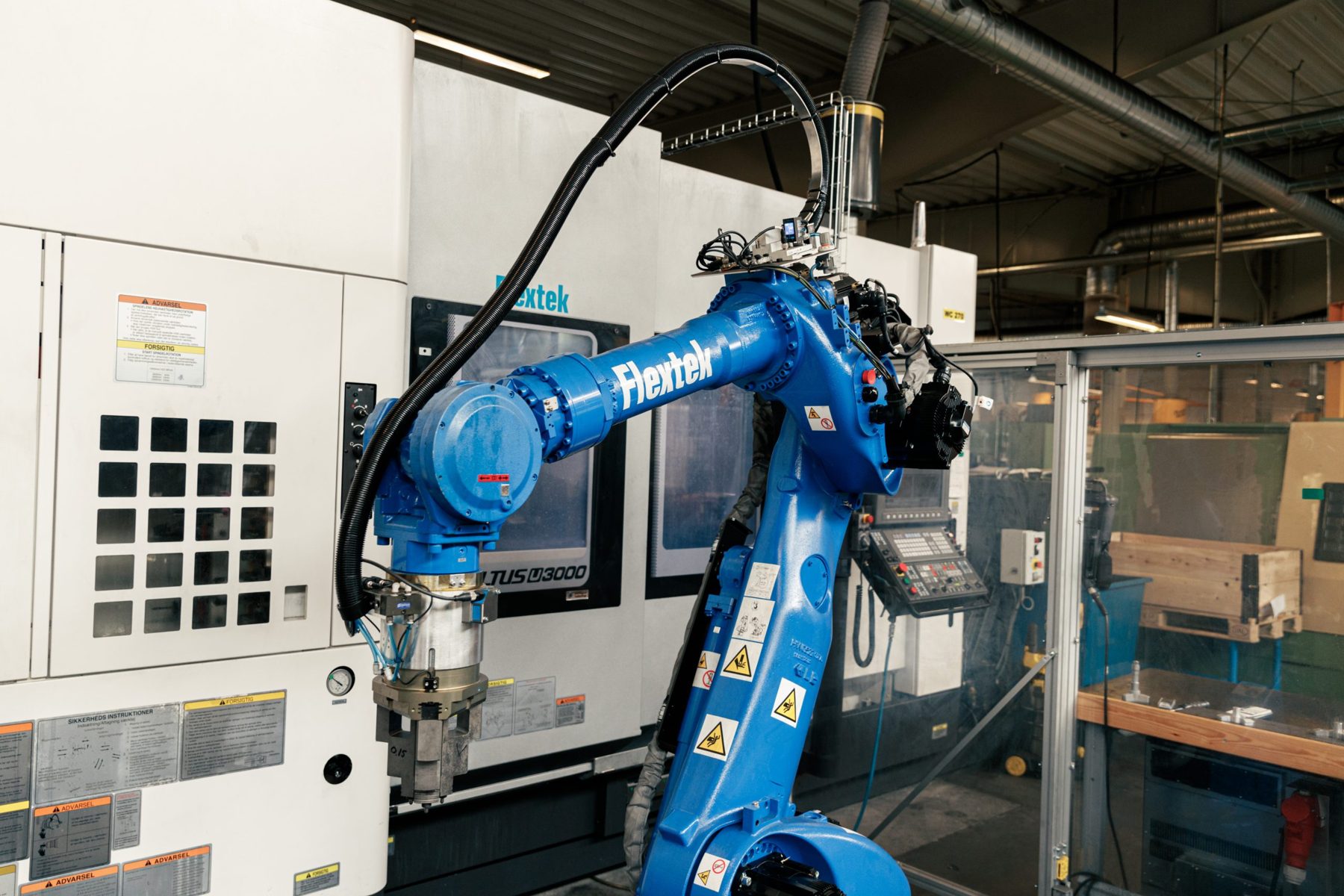 13Construction and equipment industryWear-resistant parts for construction machinery, lifts and lifting gear.
 14Measurement and laboratory equipmentParts with the tightest tolerances for measuring equipment and laboratory instruments.
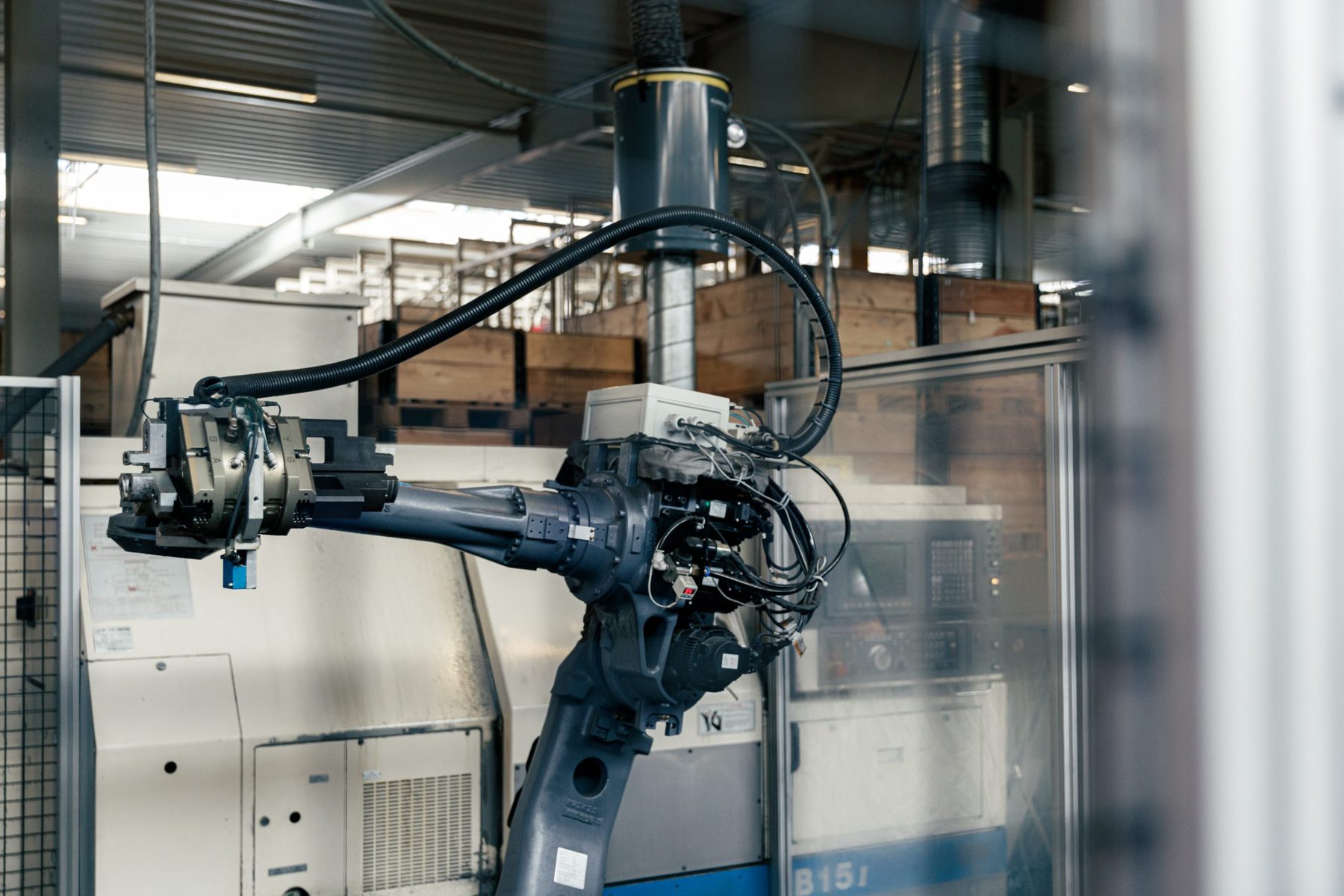 15Robotics and automation equipmentPrecision parts for robot cells, grippers, actuators and machine builders.
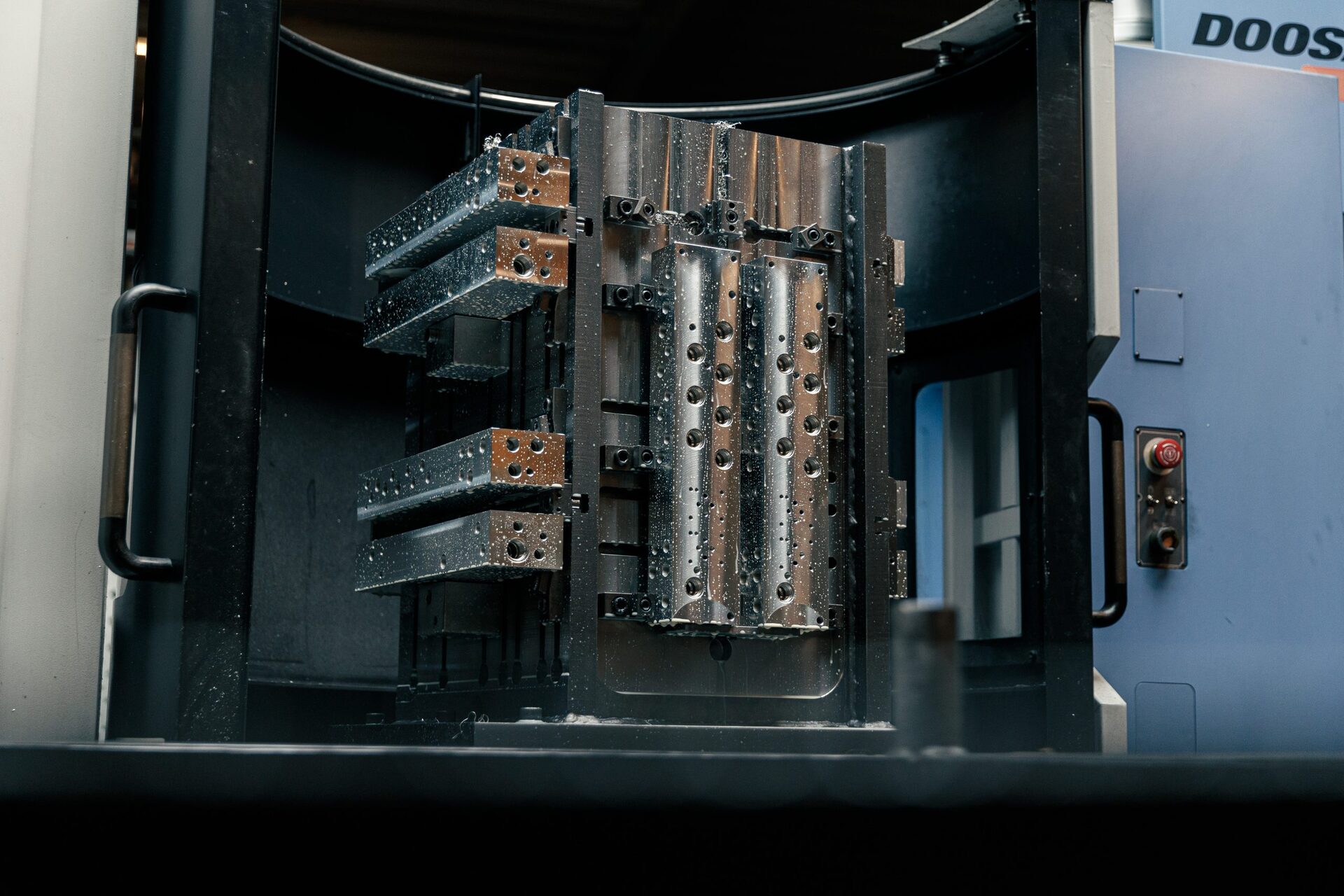 16Transport and railDocumented components for rolling stock, transport and infrastructure.
Handling sensitive and confidential information
Across industries we treat all customer material with the same basic confidentiality, but the level of formal requirements varies. Some customers require named contacts with access to the material, others require that material not leave certain systems, and others still require that certain information not be mentioned in our own marketing or reference list.
We respect that kind of requirement specifically in the agreement with each customer and update our internal routines if a new customer has requirements beyond our standard practice. Confidentiality agreements are readily signed before material is exchanged, and we do not question why a customer wants a higher level of discretion than usual.
Access to drawings and production data is role-based internally, so only the employees working directly on a job have access to the related material. That applies whether the customer comes from defence, medical or a less regulated industry, because we consider discretion part of our core delivery, not an industry-specific add-on.
Pricing and transparency in quotations
Our quotations are based on a specific assessment of the part's complexity, material, series size and documentation requirements, not a fixed industry rate. Two parts with the same geometry can cost differently if one requires a full inspection report on every part and the other only sample checking. We explain that difference readily so the customer understands what the price covers.
We actively point out where a tolerance, a surface requirement or a documentation scope makes a part unnecessarily expensive relative to its function, regardless of which industry the customer comes from. This is not an attempt to undercut the customer's own specifications, but an offer to save money where it does not cost function or safety.
For customers wanting a fixed price over a longer period, we calculate it based on expected material and capacity trends and agree clear terms for when the price can be renegotiated, for example on major raw material price swings. That gives predictability to both parties without creating an agreement neither of us can actually keep.
From single order to strategic supplier
Many partnerships start as a single order and develop over time into us becoming a fixed part of the customer's supply chain, with several part types, fixed planning and direct access to our technical people. That development typically happens because we deliver what we promise, time after time, not because we actively sell ourselves as a strategic partner from day one.
As the relationship matures, we often invite the customer to share long-term plans, upcoming product changes and expected volume trends, so we can invest in capacity and competence in good time. That kind of dialogue requires mutual trust and works best when both parties are open about what actually drives the need.
Regardless of how large a share of the customer's total purchasing we represent, we maintain the same level of documentation and quality control on the smallest order as on the largest. That is a deliberate priority, because we know it is the sum of many small, consistent deliveries that builds the trust a long-term partnership requires.
Shall we produce something for your company?
Send us your drawing and we will come back with a technical assessment and a quotation. We accept electronic drawings in most formats and treat all material confidentially.